What is cross-selling?
Also called: Cross-sell, add-on selling, complementary selling, bundling
Cross-selling is offering a customer a related product or service that complements what they are already buying, such as a maintenance plan with a new website or aftercare products with a salon treatment.
Cross-selling is offering a customer something different that goes well with what they are already buying. A plumber who fixes a boiler offers an annual service plan. A photographer who shoots a wedding offers a printed album. A bakery that sells a birthday cake offers candles and a card. So what is cross-selling in short? It is helping a customer finish the job they started, with things they would probably have bought elsewhere anyway.
The key word is related. A good cross-sell makes the first purchase work better. A random extra is just noise.
What is cross-selling used for?
For a small business, cross-selling does three useful things:
- It raises the value of each customer. Someone who buys two services from you is worth more than someone who buys one, which lifts customer lifetime value.
- It makes customers stickier. A client who uses you for design and for social media is less likely to drift to a competitor than one who uses you for a single job.
- It saves the customer effort. One trusted supplier instead of three new ones is a real benefit, especially for busy owners.
How cross-selling works: an example
Tunde runs a small IT support company in Lagos. A law firm hires him to set up ten new laptops for ₦1,200,000. While he is there he notices they have no backup for client files. He offers:
- A cloud backup setup for ₦250,000, done the same week.
- A monthly support plan at ₦150,000 that includes checking the backups.
The firm takes both. Tunde’s single project becomes a larger first sale plus a monthly retainer. The firm gets protection it had not thought about, from someone already on site.
A US example: a bookkeeper who charges $400 a month for bookkeeping offers year-end tax preparation for a one-off $900, passed to a partner accountant if she is not qualified to do it herself.
Types of cross-selling
| Type | What it looks like | Example |
|---|---|---|
| Add-on at purchase | A related item offered while they buy | Screen protector with a phone |
| Bundle | Two or more items sold together for one price | Logo, website and business cards package |
| Follow-on service | The natural next job after this one | Maintenance plan after a website launch |
| Consumables and aftercare | Things needed to keep the result going | Hair products after a salon treatment |
| Partner referral | A trusted partner’s service, sometimes for a referral fee | A lawyer for a client registering a company |
Cross-selling vs upselling
Upselling offers a bigger or better version of the same thing, such as a five-page website instead of one page. Cross-selling offers a different thing that goes with it, such as hosting and monthly updates for that website. Both aim to serve the customer more completely, and they often happen in the same conversation.
Best practices and common mistakes
Best practices
- Use what you know about the customer. Their past purchases, questions and plans tell you what they will need next. That is why a CRM with a full history matters.
- Offer one thing at a time. One well-chosen suggestion beats a list of ten.
- Time it. Offer aftercare at the end of a job, and a follow-on service when the first one is delivered and the customer is happy.
- Group customers. Send the maintenance-plan email only to customers who bought a website. Our entry on email segmentation shows how.
- Price bundles honestly. A bundle should cost less than buying the parts separately, or it is not a bundle.
Common mistakes
- Unrelated offers. Suggesting a catering service to a client who bought accounting help looks like you were not listening.
- Cross-selling before the first job is done well. Earn trust first.
- Stretching past your skills. Only cross-sell what you can deliver properly, or refer to a partner.
- Hiding costs. Make every extra clear before the customer pays.
Related terms
Upselling is the close cousin: a bigger version of the same thing. Customer lifetime value measures what a customer is worth over time, and cross-selling is one of the main ways to grow it. Follow-on support plans are also a simple route to recurring revenue.
Cross-selling in startbuddi
In startbuddi, your customer history lives in Customers. Each contact page shows their activity, notes, deals and a money summary of what they have been invoiced and paid, so you can see what they already buy from you. Segments let you save a filtered group, such as “bought a website, no maintenance plan”, and startbuddi keeps the list current as contacts change.
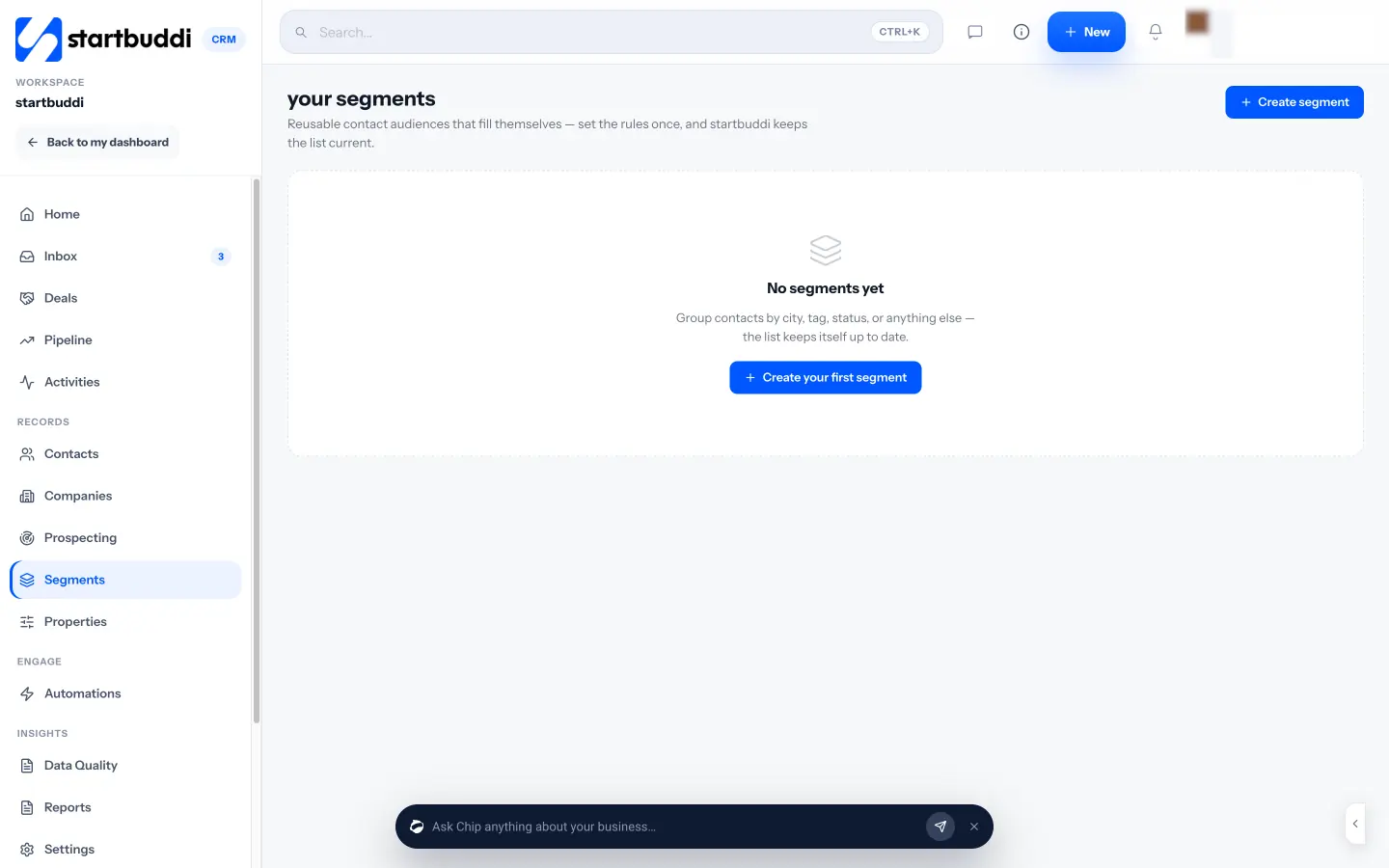
On the Starter plan and above you can email that segment from Marketing. If you sell products, the online store holds your catalogue, and Money Manager’s Profitability view shows revenue and margin by customer and by product or service, so you can see which pairings earn the most. Your next step: write down the one thing each of your customers most often needs after buying from you, and build a segment for the people who have not bought it yet.
Related terms
FAQ
What is an example of cross-selling?
A web designer who builds a site offers a monthly maintenance plan with hosting and updates. The plan is a different service that makes the first purchase work better.
What is the difference between cross-selling and upselling?
Upselling offers a bigger or better version of the same product. Cross-selling offers a different product or service that goes with it.
Can a service business cross-sell?
Yes. Follow-on services, support plans, training and partner referrals are all cross-sells, and they suit service businesses well.
How do I cross-sell without being pushy?
Base the offer on something the customer told you or already bought, suggest one thing at a time, and make it easy to say no.
Tiwalade Joanna Okedara-Kalu is the founder, CEO and CTO of startbuddi, the business system that brings clients, bookings, invoices, projects, marketing and the Chip AI assistant into one place. Tiwalade builds software around how service businesses really work day to day, and writes about client management, getting paid on time and why small businesses outgrow the tools they start with.
Founded startbuddi and leads its product and engineering