What is upselling?
Also called: Upsell, trading up, suggestive selling, premium selling
Upselling is offering a customer a higher-value version of the product or service they are already buying, such as a bigger package, a premium tier or a longer contract, so they get more of what they need and you earn more from the same sale.
Upselling is offering a customer a better, bigger or longer version of the thing they are already buying. A hair salon suggests a treatment package instead of a single wash. A web designer offers the five-page site instead of the one-page site. A café asks if you want a large instead of a regular. So what is upselling in one line? It is helping someone buy the version that fits their need best, which is usually the one that is worth more to you both.
Done well, upselling is not pushy. The customer has already decided to buy. You are simply making sure they know the option that solves their problem more completely.
What is upselling and why does it matter for a small business?
Finding a new customer takes time and money: ads, posts, calls, proposals. Selling a little more to someone who already trusts you costs almost nothing extra. That is why upselling is one of the cheapest ways a small business can grow revenue.
- Higher average sale. The same number of customers brings in more money.
- Better results for the customer. A client who buys the right package is more likely to be happy, stay longer and refer others.
- Better margins. Premium tiers often cost you little more to deliver than the basic one, so more of the extra price is profit. Our profit margin entry explains why that matters.
- Higher lifetime value. Bigger purchases add up over the whole relationship, which lifts customer lifetime value.
How upselling works: an example
Amara runs a small bookkeeping-support service in Nairobi. Her packages are:
| Package | What is included | Price a month |
|---|---|---|
| Basic | Receipts sorted and expenses categorised | KES 8,000 |
| Standard | Basic, plus invoicing and payment chasing | KES 14,000 |
| Premium | Standard, plus a monthly cash flow call | KES 20,000 |
A new client asks for Basic. On the discovery call he mentions that three customers owe him money and he spends Sunday evenings sending reminders. Amara points out that Standard includes chasing, which would give him those evenings back and probably bring the money in sooner. He takes Standard. Amara earns KES 6,000 more a month, and the client gets the thing he actually needed.
The same logic works in dollars: a $300 logo becomes a $900 brand kit with a logo, colours, fonts and social templates, because the client said they were launching on Instagram next month.
Types of upselling
- Higher tier. Moving from a basic to a standard or premium package.
- Quantity or size. Ten coaching sessions instead of five, a bigger cake, a larger order.
- Longer commitment. An annual plan instead of monthly, or a six-month retainer instead of a one-off project. This also builds recurring revenue.
- Faster or priority service. Express delivery, same-week turnaround or priority support.
- Post-purchase offer. A one-time offer on the thank-you page right after someone buys.
Upselling vs cross-selling
People often mix these up. Upselling sells a better version of the same thing. Cross-selling sells something different that goes with it. Moving from a one-page to a five-page website is an upsell. Adding a monthly maintenance plan to the website is a cross-sell. Most small businesses use both.
Best practices and common mistakes
Do
- Anchor on the customer’s goal. Tie every upsell to a problem they mentioned.
- Keep the choice simple. Three clear options are easier to choose between than seven.
- Show the difference in plain words. “Standard includes chasing late payers” beats a long feature grid.
- Time it well. The best moments are when someone is choosing a package, when a project ends well, or when their needs grow.
- Make saying no easy. A relaxed “no problem, Basic is a great start” keeps trust.
Avoid
- Upselling what they do not need. A customer who feels oversold will not come back.
- Surprise add-ons. Pre-ticked extras at checkout feel like a trick. In some places they are also regulated: the UK, for example, bans pre-ticked boxes for extra payments under the Consumer Contracts Regulations 2013. This is general information, not legal advice.
- Offering the upsell too often. Once per decision is enough.
- Forgetting to deliver. A premium tier must feel premium, or the bigger sale turns into a refund request.
Related terms
Customer lifetime value is the total you earn from a customer over the whole relationship, and upselling is one of the main ways to raise it. A sales pipeline is where you track chances to sell more alongside new deals. Recurring revenue grows when you upsell one-off buyers into ongoing plans.
Upselling in startbuddi
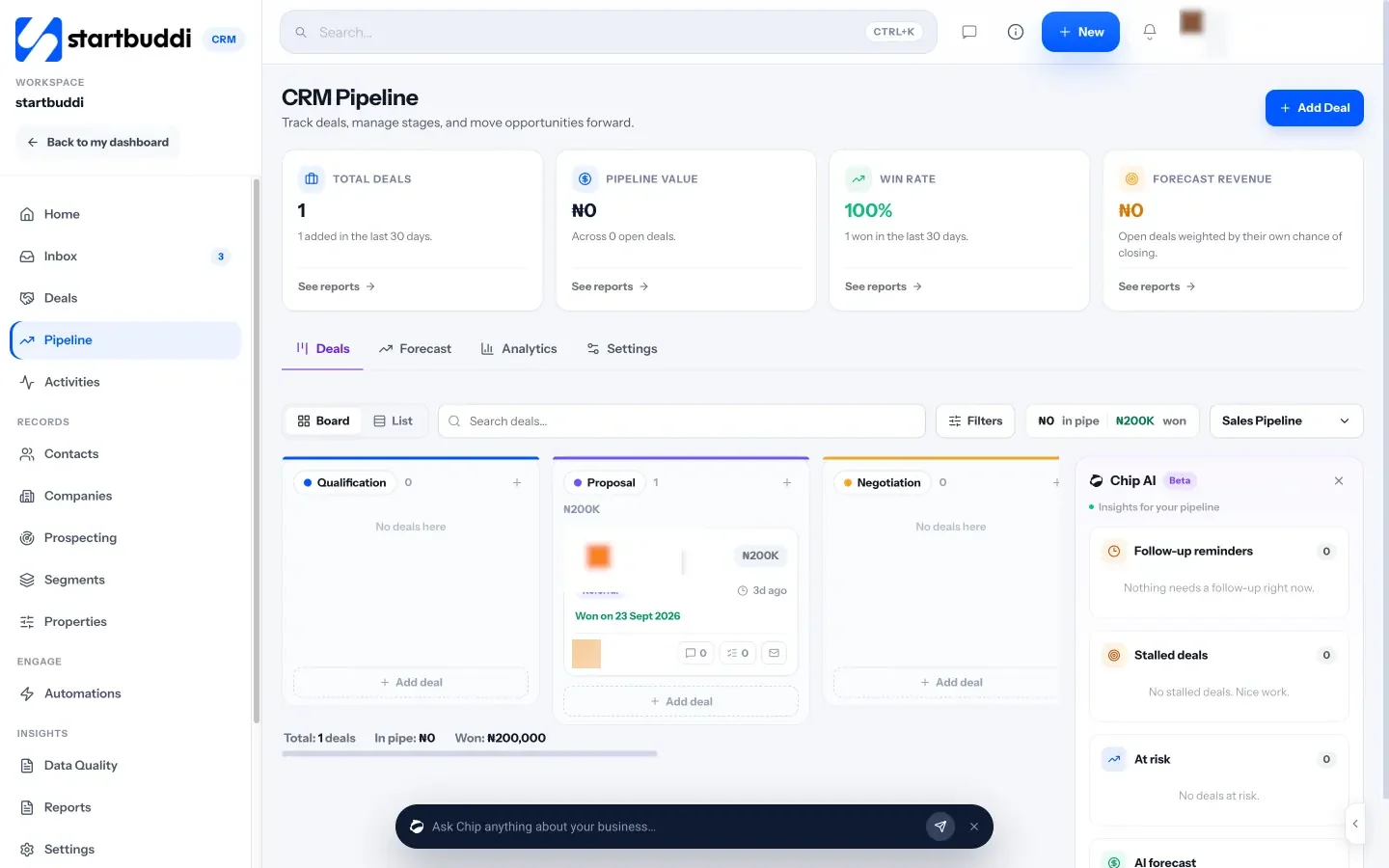
In startbuddi, nothing pushes offers at your customers for you, but the app gives you the places to plan and track upsells. In Customers you can create more than one pipeline, and one of the built-in purposes is “Customer expansion and upsell”, so chances to sell more to existing clients sit apart from new business. Each contact page shows what that customer has been invoiced, paid and still owes, which helps you spot who is ready for more.
On landing pages you can add an “Upsell” step after checkout, described in the builder as “one more offer before they go”. Once the customer says yes, you bill it with invoices or a payment link, and the Profitability view in Money Manager shows which customers and products bring in the most. Your next step: list your packages from smallest to largest and write one sentence for each on who it is for. Then see what each plan includes on the pricing page.
Related terms
FAQ
What is an example of upselling?
A customer books a one-hour photo shoot and you suggest the half-day package because they need photos for a website and social media. They get more of what they need, and your sale is bigger.
Is upselling the same as cross-selling?
No. Upselling offers a better or bigger version of the same thing. Cross-selling offers a different product or service that goes with it, such as a maintenance plan with a website.
Is upselling bad for customers?
Only when it sells them something they do not need. An upsell tied to a goal the customer told you about usually leaves them better off.
When is the best time to upsell?
When the customer is choosing a package, right after a successful result, or when their needs grow. Avoid upselling while you are fixing a complaint.
Tiwalade Joanna Okedara-Kalu is the founder, CEO and CTO of startbuddi, the business system that brings clients, bookings, invoices, projects, marketing and the Chip AI assistant into one place. Tiwalade builds software around how service businesses really work day to day, and writes about client management, getting paid on time and why small businesses outgrow the tools they start with.
Founded startbuddi and leads its product and engineering