Customer retention strategies for small businesses: keep customers coming back
Customer retention strategies for small businesses: measure retention and lifetime value, onboard well, stay in touch, reward loyalty and win back quiet customers.


The best customer retention strategies for a small business are simple: measure who comes back, make the first experience excellent, stay in touch in useful ways, reward loyalty, and notice early when someone is drifting away. Keeping a customer usually costs far less than finding a new one, and repeat customers tend to buy more, complain less and recommend you to people like them.
This guide is for service businesses, shops, salons, agencies, coaches and anyone who sells to the same people more than once. Each chapter starts with the business thinking, with worked numbers, examples, templates and mistakes to avoid, then shows how to do it in startbuddi. By the end you will know your retention rate and customer lifetime value, and you will have an onboarding plan, a keep-in-touch calendar, a loyalty idea that fits your business and a routine for winning back quiet customers.
Why retention matters and how to measure it
- Retention looks different in different businesses
- 1. Customer retention rate
- 2. Repeat customer rate
- 3. Customer lifetime value
- Which lever moves lifetime value most?
- How small improvements compound
- Retention and pricing
- Build a simple retention scorecard
- Retention for business customers and consumers
- Share the numbers with your team
- Start with the data you already have
- 1. See repeat customers in Bookings
- 2. See what each customer has spent
- Check where your best customers came from
- 3. Track recurring revenue from subscriptions
Most small businesses spend nearly all their marketing effort on new customers, then wonder why growth feels like running up a down escalator. Every month, some existing customers quietly stop coming back, and the new ones only replace them. Retention is how you step off the escalator. This chapter explains why it matters so much, and how to measure it with three simple numbers: retention rate, repeat customer rate and customer lifetime value.
Here is the short answer. Customer retention means keeping the customers you already have buying from you over time. The core strategies are the same for almost any small business: deliver a great first experience, make the second purchase easy, stay in touch without spamming, reward loyal customers, and act quickly when a customer shows signs of leaving. Measure your retention rate every month or quarter so you know whether it is working.
Why customer retention strategies pay off
There are three reasons retention is worth your attention, even if you are still working hard to find new customers.
- It costs less. A customer who already trusts you does not need ads, discovery calls or discounts to buy again.
- Repeat customers are worth more. They often buy more over time and try more of your services.
- They bring new customers. Happy regulars refer friends, leave reviews and defend you when something goes wrong.
Those figures come from larger businesses, and your numbers will be different. But the principle holds for a hair salon in Lagos as much as a software company in London: a customer who comes back is the cheapest sale you will ever make.
Retention looks different in different businesses
Before you measure, decide what "retained" means for you. It depends on how often customers naturally buy.
| Type of business | Natural buying rhythm | A retained customer is one who... |
|---|---|---|
| Salon, barber, nail studio | Every 3 to 8 weeks | Books again within 2 months |
| Cleaning, gardening, maintenance | Weekly or monthly | Is still on a regular schedule |
| Agency or consultant on retainer | Monthly contract | Renews or keeps paying |
| Project-based service (web design, renovation) | Once every year or two | Comes back for another project or refers someone |
| Coach, tutor, trainer | Weekly sessions for a programme | Completes the programme and signs up again |
| Shop or online store | Varies by product | Buys again within your typical reorder time |
For project businesses, "retention" often means the relationship rather than the next invoice. A web designer may only rebuild a client's site every three years, but maintenance, small updates and referrals in between are all signs of a retained customer.
How to measure customer retention
You only need three numbers. Work them out once now, then every month or quarter.
1. Customer retention rate
This tells you what share of the customers you had at the start of a period are still customers at the end. The standard formula is:
Retention rate = ((customers at end of period - new customers gained during the period) ÷ customers at start of period) × 100
Worked example: a cleaning company in Nairobi starts the quarter with 80 regular customers. During the quarter it gains 20 new customers and ends with 88. Retention rate = ((88 - 20) ÷ 80) × 100 = 85%. In other words, 12 of the original 80 customers left, and 68 stayed.
The opposite number is the churn rate: the share who left. Here, 12 ÷ 80 = 15% churn for the quarter.
2. Repeat customer rate
This is easier for businesses without regular contracts. It tells you what share of your customers have bought more than once.
Repeat customer rate = (customers who bought two or more times ÷ total customers) × 100
Worked example: a photographer in Cape Town had 150 clients over the last two years, and 36 of them booked again (a second shoot, family photos after a wedding, a corporate headshot). Repeat rate = 36 ÷ 150 = 24%.
3. Customer lifetime value
Customer lifetime value, often shortened to CLV or LTV, is roughly how much a typical customer spends with you over the whole relationship. A simple version is:
Customer lifetime value = average spend per purchase × purchases per year × average years as a customer
| Business | Average spend | Purchases a year | Years as a customer | Lifetime value |
|---|---|---|---|---|
| Barber in Atlanta | $35 | 10 | 3 | $1,050 |
| Hair salon in Lagos | ₦25,000 | 8 | 2 | ₦400,000 |
| Bookkeeper in Manchester | £180 a month | 12 | 4 | £8,640 |
| Tutor in Bengaluru | ₹1,200 a session | 40 | 2 | ₹96,000 |
For a truer picture, multiply by your profit margin. If the barber keeps 60% of each $35 cut after costs, each customer is worth about $630 in profit over three years. That number tells you how much you can sensibly spend to keep a customer happy, or to win a new one.
Which lever moves lifetime value most?
Look at the formula again. You can raise lifetime value in three ways: customers spend a little more each time, buy a little more often, or stay a little longer. For most small businesses, staying longer is the biggest lever, which is what the rest of this guide is about. Keeping the barber's customer for four years instead of three adds $350 of revenue, with no extra marketing.
How small improvements compound
Retention improvements add up faster than most owners expect, because every customer you keep is still there next month, and the month after. Take a cleaning business with 100 regular customers paying $120 a month. At 5% churn a month, it loses about 60 customers a year and must win 60 new ones just to stand still. If better onboarding and reminders cut churn to 3% a month, it loses about 36 a year instead. The 24 customers it keeps are worth roughly $34,560 of revenue over a year, before any new marketing. That is why a small change in retention can matter more than a big push for new customers.
Retention and pricing
Retention also gives you more freedom on price. Customers who value your work and trust you are far less likely to leave over a reasonable price rise, especially if you explain it early and keep delivering. Businesses that rely only on new customers often feel they must compete on price. Businesses with loyal regulars can compete on quality and service instead.
Know which customers matter most
Not every customer is equally valuable, and not every customer needs the same retention effort. In many businesses, a small group of regulars brings in a large share of revenue. Find yours by sorting last year's customers by how much they spent.
Worked example: a print shop in Kumasi had 200 customers last year. When the owner sorted them by spend, the top 30 customers (15%) accounted for just over half of revenue. Most were local businesses ordering flyers, banners and stationery several times a year. That changed where she spent her time. Instead of running discounts for everyone, she started calling those 30 customers every quarter, giving them priority turnaround and asking what they had coming up. Their orders became more regular, and two of them introduced her to other businesses.
A simple way to group customers for retention:
| Group | Who they are | Retention focus |
|---|---|---|
| Top customers | Highest spend or longest relationship | Personal contact, priority service, thank-yous |
| Regulars | Buy steadily but spend less | Rebooking reminders, loyalty rewards, newsletter |
| One-time buyers | Bought once, not yet returned | A strong follow-up and an easy second purchase |
| Quiet customers | Used to buy, have not for a while | Check-ins and win-back (chapter 4) |
Build a simple retention scorecard
You do not need special software to start. A spreadsheet with one row per month is enough:
| Month | Customers at start | New customers | Customers at end | Retention rate | Customers lost | Main reasons |
|---|---|---|---|---|---|---|
| January | 80 | 9 | 84 | 94% | 5 | Moved away (2), price (2), no reason (1) |
| February | 84 | 6 | 86 | 95% | 4 | Service issue (2), finished project (2) |
After six months you will see your real retention rate, your busiest months for losing customers and the reasons that come up again and again. Set a modest goal, such as improving retention by two or three percentage points over the next six months, and check it every month.
Retention for business customers and consumers
If you sell to businesses, retention depends heavily on relationships with specific people. When your main contact leaves their company, the relationship is at risk, so get to know more than one person on each account. If you sell to consumers, retention depends more on convenience and habit: easy rebooking, reminders at the right time and a consistently good experience. Most of the strategies in this guide work for both, with a slightly different emphasis.
Share the numbers with your team
If other people serve your customers, show them the retention numbers too. A receptionist who knows that a regular client is worth ₦400,000 over two years treats a rescheduling request differently. A technician who sees that most lost customers mention "no follow-up after the job" starts sending that follow-up. Retention improves fastest when everyone who talks to customers understands why it matters and can see the effect of what they do. A two-minute update at a monthly team meeting is enough.
Common mistakes when measuring retention
- Not measuring at all. Many owners feel customers are loyal but have never checked. The number is often lower than expected.
- Counting new customers as retained ones. Growth can hide churn. Always subtract new customers in the formula.
- Using the wrong period. A monthly retention rate means nothing for a business customers visit twice a year.
- Treating every customer the same. Your best 20% of customers may deserve a different level of attention.
Start with the data you already have
You may not have perfect records, and that is fine. Your bank statements, invoices, booking history, WhatsApp chats and even a paper appointment book all show who bought and when. Go back twelve months, list every customer and the dates they bought, and you have enough to work out a first retention rate and repeat customer rate. It takes an afternoon. From then on, keep your customer list in one place so next year's numbers take minutes, not hours.
How to measure retention in startbuddi
Your customers, bookings, invoices and payments all live together in startbuddi, so the numbers above come from real activity instead of guesswork.
1. See repeat customers in Bookings
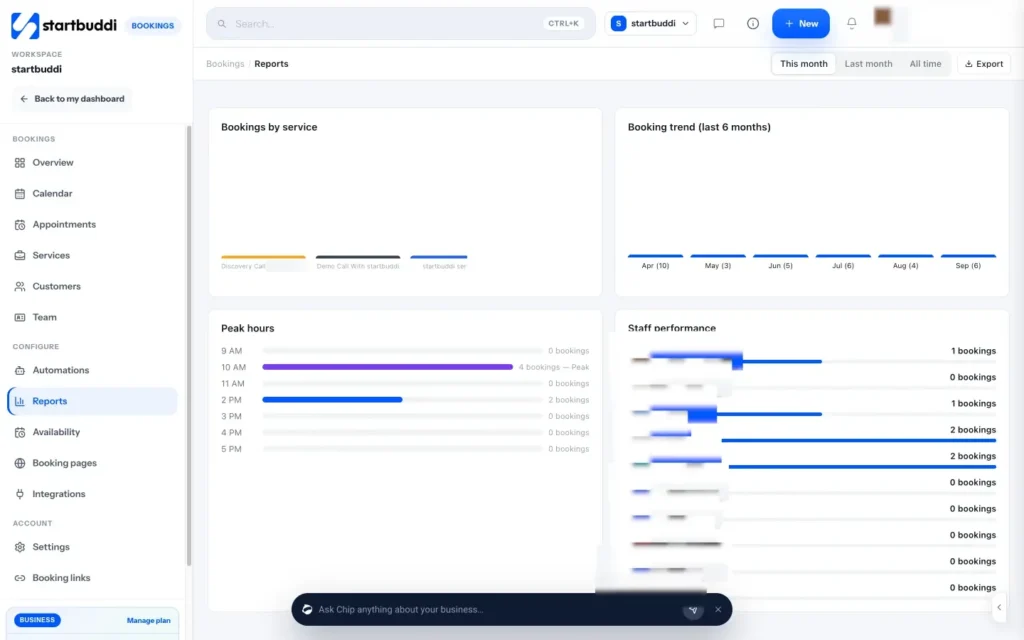
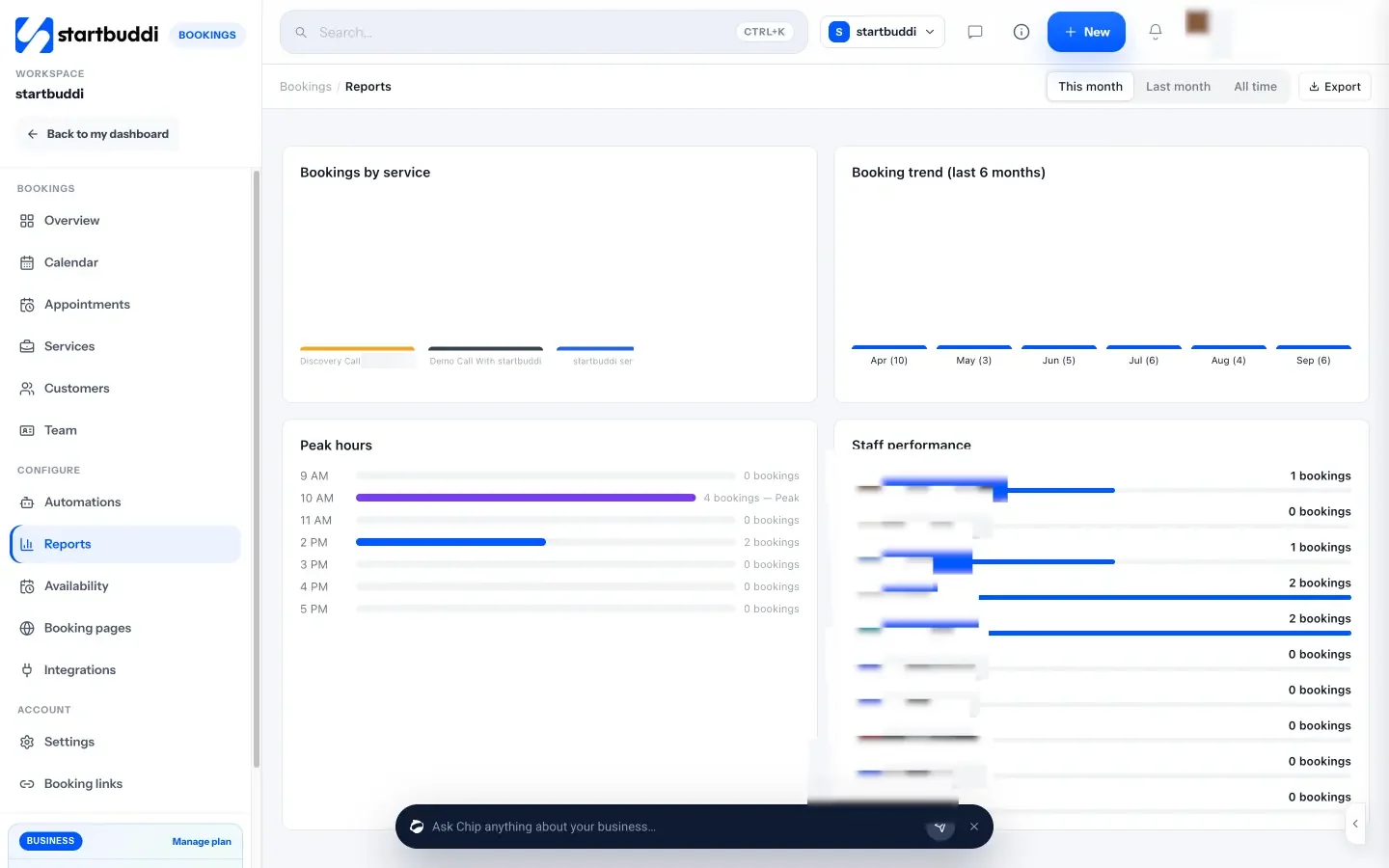
If customers book appointments with you, Bookings reports show total bookings, cancellation rate, repeat customers, bookings by service and a six-month trend, with a CSV download. The Bookings Customers list shows each person's total bookings and last booking, with a tag worked out from their history: VIP, Active, Lead, At risk or New. Sorting by "At risk" gives you a ready list for chapter 4.
2. See what each customer has spent
Every contact in Customers has a money tile showing what you have invoiced, what has been paid, what is outstanding and what is overdue. Company records show total revenue per company. Together with the contact's activity timeline, that is the raw material for lifetime value, customer by customer.
Check where your best customers came from
The Reports page in Customers includes clients by source ("how clients found you"), a comparison of this month with last month, and invoice and payment reports. If your most loyal customers tend to come from referrals rather than ads, that tells you where to invest when you do look for new customers.
3. Track recurring revenue from subscriptions
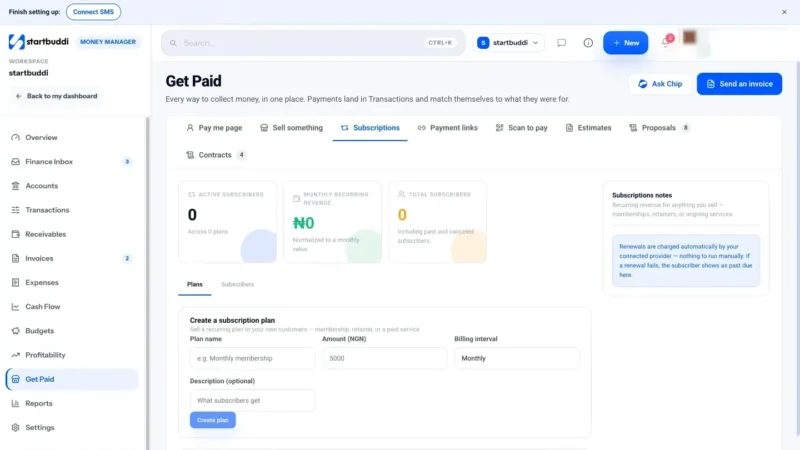
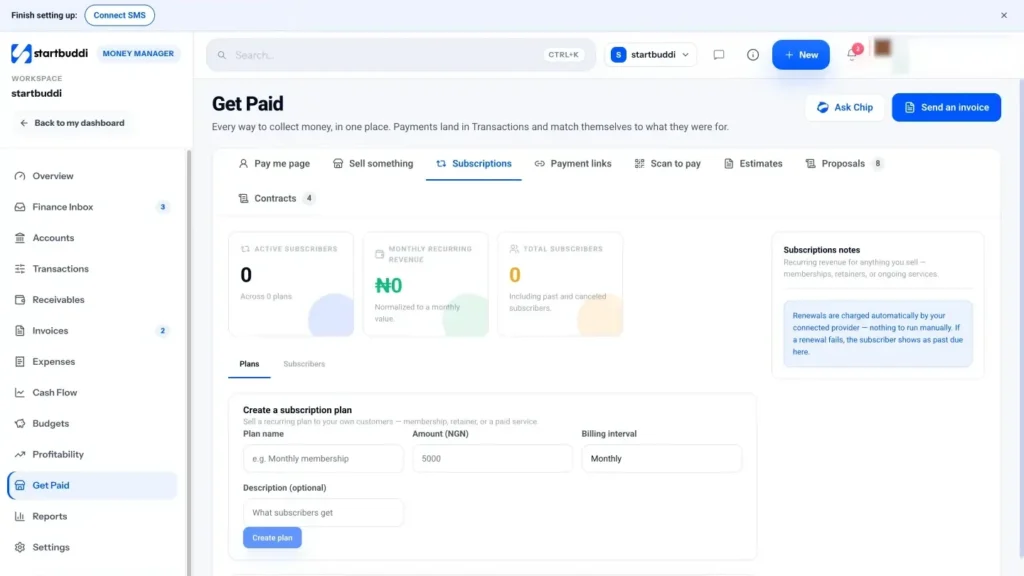
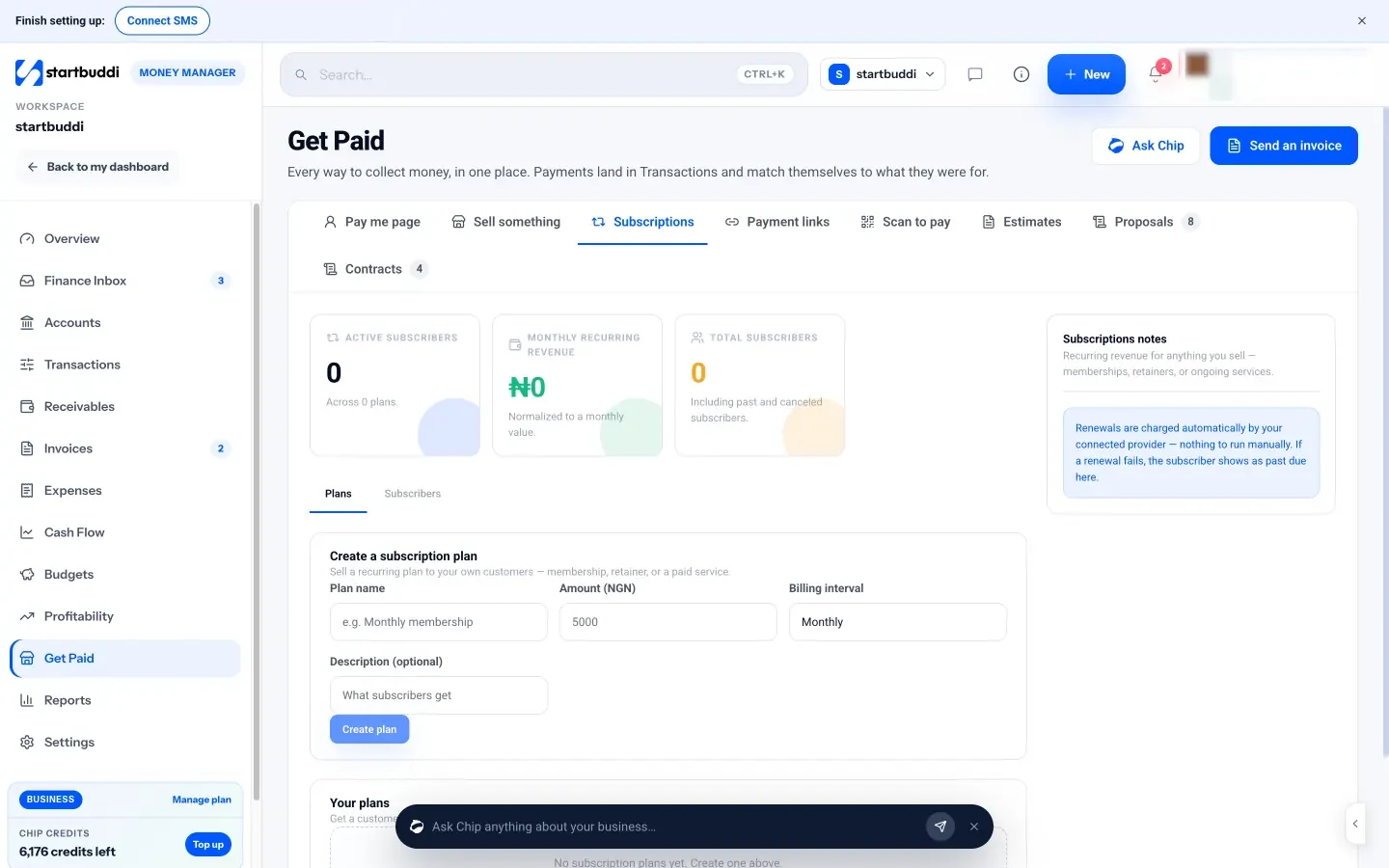
If you sell memberships, retainers or regular services, Subscriptions in Money Manager (under Get Paid) shows active subscribers, monthly recurring revenue and total subscribers. When a subscriber cancels, you see it there, which makes churn easy to count. Chapter 3 covers setting subscriptions up. See subscriptions for more.
Once you know your numbers, the first place to improve them is at the very start of the relationship. Chapter 2 covers onboarding and the all-important second purchase.
Start strong: onboarding and the second purchase
- A welcome message you can copy
- Onboarding looks different by business
- Set expectations in writing
- Deliver an early win
- Book the next one before they leave
- Remind at the right time
- Suggest the natural next step
- Ask how it is going, early
- Say thank you after the first job
- Hand over carefully inside your team
- Measure your onboarding
- 1. Automate the welcome and first-week messages
- 2. Give project clients a private portal
- Keep everyone on the same page
- 3. Prompt rebooking after an appointment
Customer retention is decided earlier than most people think. The first few weeks after someone buys set their expectations for everything that follows. If the start is confusing, slow or disappointing, even an excellent finished product struggles to win them back. If the start is clear and reassuring, customers forgive small hiccups later. This chapter covers how to onboard new customers well, and how to make the second purchase, the true sign of a retained customer, happen naturally.
Why the first 90 days matter most
New customers are paying close attention. They are checking whether they made the right choice. Every message, delay and detail is evidence. That is why many customers who leave do so early: they never quite felt settled.
A good onboarding does three things:
- Confirms they made the right decision. A warm welcome and a clear plan remove doubt.
- Sets expectations. What happens next, when, what you need from them and how to reach you.
- Delivers an early win. Something useful, fast, so they feel the value before the big result arrives.
Build a simple onboarding plan
Onboarding sounds like something for software companies, but every business has one, even if it is accidental. Write yours down. Here is a template for a service business, which you can adapt to your own timeline.
| When | What happens | Why |
|---|---|---|
| Same day as purchase | Welcome message: thanks, what happens next, who to contact | Reassurance while excitement is high |
| Within 2 days | Kickoff call or first appointment booked; any forms or information requested | Momentum; shows you are organised |
| First week | First piece of work or first session delivered | An early win |
| End of week 2 | Quick check-in: "How is everything so far?" | Catches small problems before they grow |
| End of month 1 | Short progress summary or result | Makes the value visible |
| Around month 3 | Review conversation and a suggestion for what comes next | Opens the door to the second purchase |
For a one-off job, compress it. A plumber's onboarding might be a confirmation text with the arrival window, a message when the plumber is on the way, a tidy finish with a short explanation of what was done, and a follow-up two days later to check everything is working. For a fuller walk-through, read how to onboard a new client, or use the free client onboarding checklist.
A welcome message you can copy
Hi Zainab, welcome, and thank you for choosing us! Here's what happens next: I'll send a short questionnaire today so we understand your goals, and we'll have our kickoff call on Thursday at 10am. You'll hear from me every Friday with a quick update. If you have a question at any time, message me here. I usually reply within a couple of hours. We're really looking forward to working with you. Tolu
It thanks her, explains the next two steps, sets a rhythm for updates and says how to get help. That covers most of the questions a new customer has on day one.
Onboarding looks different by business
| Business | A good onboarding includes |
|---|---|
| Salon or spa | A consultation, a note of preferences and allergies, aftercare advice, and the next appointment booked |
| Agency or consultant | An intake questionnaire, a kickoff call, a shared plan with dates and a weekly update rhythm |
| Cleaning or maintenance | A first visit walk-through, a checklist of what is included, and the same person each visit where possible |
| Coach or tutor | A goal-setting session, a written plan and a check-in after the first two weeks |
| Online shop | A clear order confirmation, delivery updates, how-to-use tips and an easy returns process |
Set expectations in writing
Many customers leave because something did not match what they expected, not because the service was poor. Put the key expectations in writing at the start: what is included, what is not, how often they will hear from you, how quickly you reply, and what happens if they need a change. A short "what to expect" section in your welcome message or contract prevents most "I thought this included..." conversations later.
Deliver an early win
An early win is something useful the customer gets quickly, before the main result. It proves they chose well. Some examples: a bookkeeper who tidies the first month's receipts within a week; a marketing agency that fixes three quick problems on the client's website in the first few days; a personal trainer who sends a simple meal plan after the first session; a cleaner who deals with one job the customer always hated, such as the oven, on the first visit. Think about what would make your new customer say "this was already worth it" in the first fortnight.
Make the second purchase easy
The second purchase is the moment a customer becomes a repeat customer. For many businesses, it is the single biggest gap in retention: lots of first-time customers, not many who return. The good news is that small changes often make a big difference.
Book the next one before they leave
For businesses with a natural rhythm, the easiest retention strategy is to book the next appointment at the end of the current one. Salons, barbers, physiotherapists, dentists, personal trainers and cleaners all do this for good reason: a booked appointment is far more likely to happen than a vague intention. "Shall I pop you in for the same time in five weeks?" takes ten seconds to ask.
Remind at the right time
If customers do not book ahead, remind them when they are likely to need you again. Work out your typical return time, then send a friendly message just before it.
- A car detailer: "It's been about three months since your last valet. Shall we get you booked before the rainy season?"
- An accountant: "Year-end is coming up in six weeks. Want to book your planning call now so we're not rushing?"
- A pet groomer: "Bella's due for her next groom. Here's a link to pick a time that suits you."
Suggest the natural next step
Many services lead to another. A new website leads to monthly updates or search optimisation. A wedding shoot leads to an anniversary or family shoot. A deep clean leads to a regular clean. A coaching programme leads to a follow-on programme. When you finish a job, suggest the next step as advice, not a sales pitch: "Now the site is live, the thing that will make the biggest difference is adding a new blog post each month. If you'd like, we can do that for you."
Ask how it is going, early
A short check-in two weeks after someone starts catches small problems while they are easy to fix. Keep it light:
Hi Daniel, it's been two weeks since we started, and I wanted to check in. How is everything so far? Is there anything we could be doing differently? Honest answers are really welcome.
Most customers reply "all good", which is reassuring for both of you. The few who mention a problem are the ones you might otherwise have lost without knowing why.
Say thank you after the first job
A thank-you after the first purchase is one of the simplest retention habits, and one of the most often skipped. It should be specific, short and free of any sales pitch:
Hi Grace, thank you for choosing us for the office move last week. It was a pleasure working with your team, and I hope everyone is settling in well. If anything needs adjusting, just let me know. We're always happy to help.
Send it within a few days of the job. You can mention the natural next step in a later message, once the thank-you has landed on its own.
Hand over carefully inside your team
If one person sells and another delivers, the handover is where customers most often feel forgotten. The new person should know the customer's goals, what was promised, any worries raised, and how the customer likes to communicate, before the first contact. A five-minute handover note on the customer's record avoids the dreaded "can you tell me again what you're looking for?", which makes customers doubt they chose well.
Onboarding mistakes that cost you customers
- Going quiet after payment. The days after someone pays are when they most need to hear from you.
- Information overload. A 20-page welcome pack gets ignored. Send what they need now, and the rest later.
- No single point of contact. Customers should know exactly who to message.
- Waiting for the customer to come back. Most do not, simply because they forget. Remind them.
- Treating the end of the job as the end of the relationship. It is the start of the next one.
Measure your onboarding
Two simple numbers tell you whether onboarding is working. First, the share of new customers who buy a second time within your natural return period, such as eight weeks for a salon or three months for a service business. Second, how many new customers leave within their first 90 days. If you change your welcome message or add a two-week check-in, watch both numbers for the next few months. When second purchases go up and early departures go down, your onboarding is doing its job.
How to onboard customers and prompt the second purchase in startbuddi
1. Automate the welcome and first-week messages
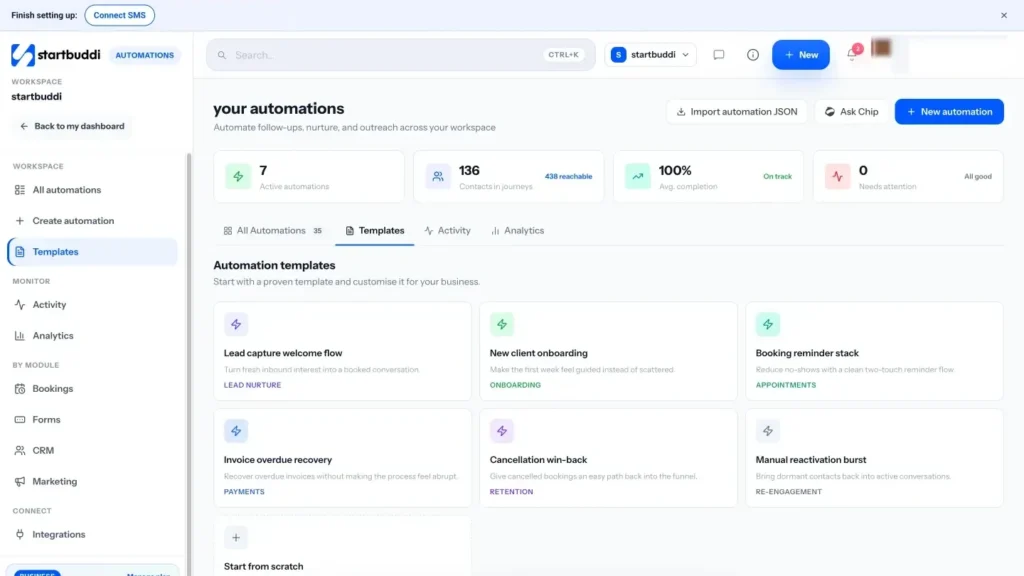
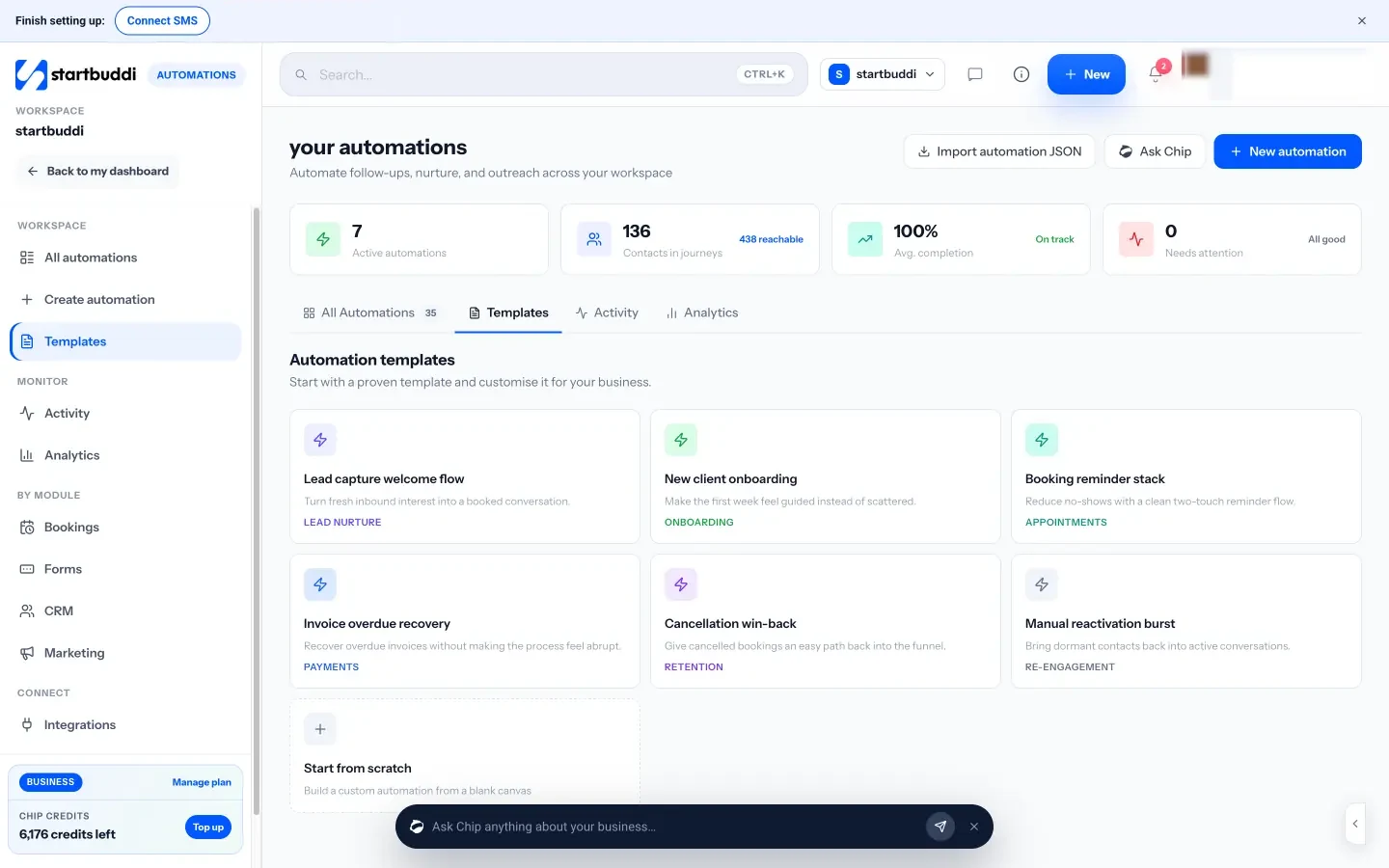
In Automations, the New client onboarding template starts when a new contact is added and is designed to "make the first week feel guided instead of scattered". You can edit every message, add waits and conditions, and send by email, SMS or WhatsApp. You can also describe what you want in plain words, for example "when someone becomes a client, send a welcome email, then a check-in a week later", and Chip drafts the automation for you to review before switching it on. Free includes 2 active automations, and Starter allows 10. More on the Automations page.
To collect the details you need at the start, the Client Onboarding form template in Forms gives you an intake questionnaire you can edit and send as a link. Answers can be saved to the contact's record, so the whole team sees them.
2. Give project clients a private portal
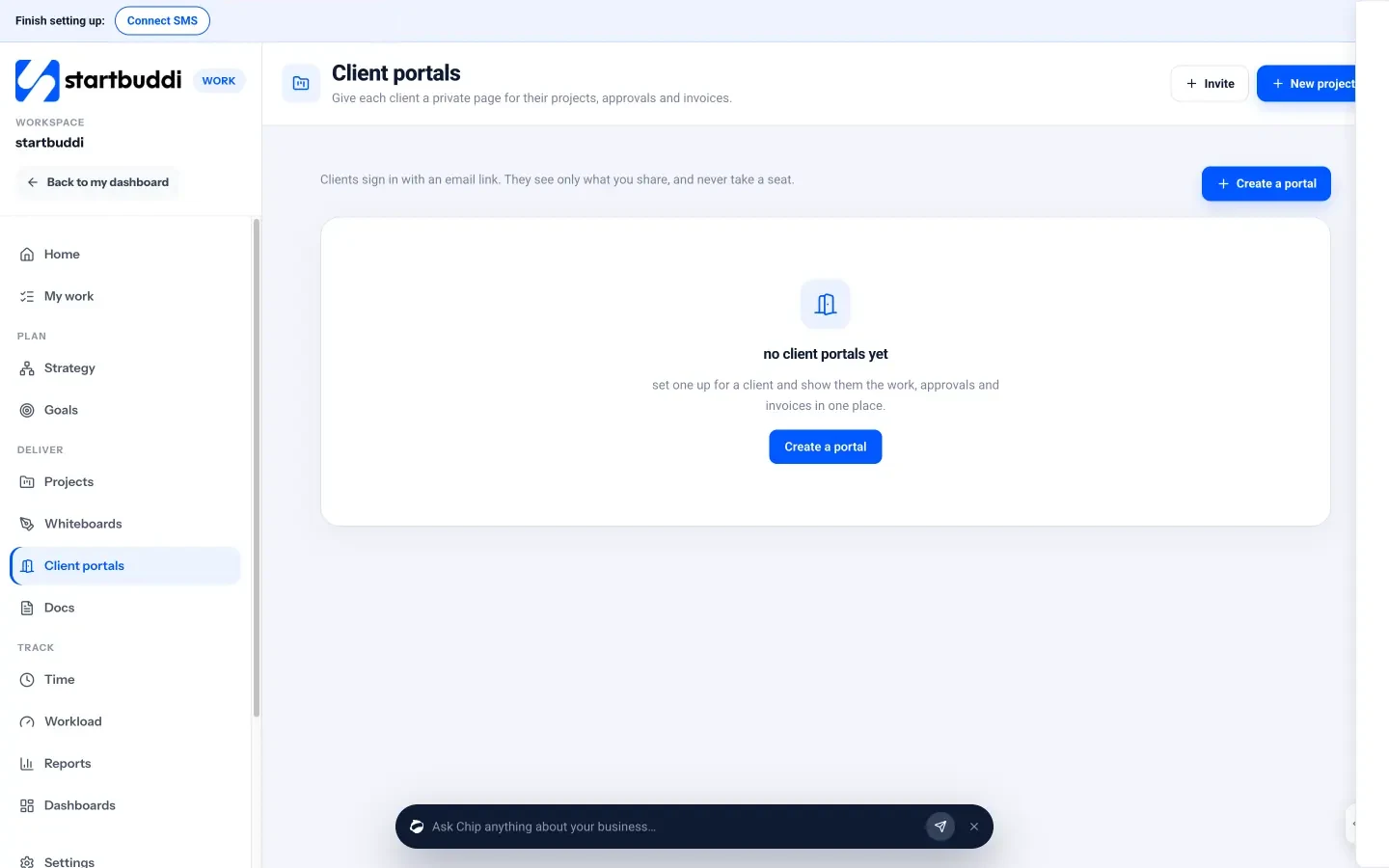
For clients on longer projects, a client portal in Work gives them one private page for their projects, approvals, invoices, documents and messages with you. They sign in with an email link, with no password and no paid seat. When a deal is won in your pipeline, Chip offers to create a portal and invite the client. It is a strong onboarding tool because the client always knows where to look. Starter includes one live portal and Growth ten. See client portals.
Keep everyone on the same page
On each contact, Summary & notes holds what the team should know, such as preferences, goals and anything promised during the sale. Tasks and activities with due dates make sure the two-week check-in and the three-month review actually happen. When several people look after one customer, this is what stops them from asking the same questions twice.
3. Prompt rebooking after an appointment
In Bookings, the booking detail has actions to mark a booking complete, and the settings include an editable follow-up message after a completed booking. Use it to thank the customer and include your booking link for the next visit. For more control, a booking automation can start when a booking is completed and send a rebooking reminder after a wait you choose, by email, WhatsApp or SMS.
A strong start earns you the right to stay in touch. Chapter 3 covers how to do that without becoming noise, and how to reward the customers who keep coming back.
Stay in touch and reward loyalty
- A keep-in-touch calendar
- What to put in a customer newsletter
- Personal touches that scale
- How often is too often?
- A year of keep-in-touch ideas
- Work out what a reward costs you
- Surprise and delight on a small budget
- Referrals as a retention tool
- Staying in touch on WhatsApp
- Measure what your loyalty efforts achieve
- 1. Group your customers with segments
- 2. Send newsletters and updates with Email marketing
- Reach regulars on WhatsApp
- 3. Sell memberships and retainers with Subscriptions
Customers rarely leave because of one dramatic failure. More often they drift: they forget about you, a competitor catches them at the right moment, or they simply do not feel valued. Staying in touch in a useful way, and showing loyal customers that you notice them, prevents most of that drift. This chapter covers a keep-in-touch plan, loyalty programmes that suit small businesses, and recurring offers such as memberships and retainers that make staying the easy choice.
Stay in touch without becoming noise
There is a fine line between staying in mind and being annoying. The difference is usefulness. A message that helps the customer, informs them or makes them smile is welcome. A message that only asks them to buy again, every week, is not.
A keep-in-touch calendar
Plan your contact with past and current customers for the year. Here is an example for a small beauty salon. Adapt the rhythm to your business.
| When | Channel | Message |
|---|---|---|
| Monthly | Email newsletter | One tip, one new treatment or product, one photo of recent work |
| About 5 weeks after each visit | WhatsApp or SMS | A friendly rebooking reminder with a link |
| Before busy seasons | Email and WhatsApp | "Book early for the holidays" with available dates |
| Twice a year | Short survey | "How are we doing?" with one question and a comment box |
| Occasionally | Personal message | A thank-you to your most loyal clients, just because |
Only send marketing messages to people who have agreed to receive them, and make it easy to opt out. Service messages about an existing booking or order are different, but keep them strictly about the service.
What to put in a customer newsletter
A small business newsletter does not need to be long. One idea that works for most businesses is the "one useful thing" format: one tip, one piece of news and one call to action. For example, a garden maintenance company might send: "How to protect your lawn in a dry spell", "We now offer hedge trimming on Saturdays", and "Book your autumn tidy-up". Keep it short enough to read on a phone in under a minute. If you are just starting a list, our guide to growing an email list from zero covers the basics.
Personal touches that scale
- Remember details. Note a customer's preferences, their children's names, their favourite product. Mention them next time.
- Handwritten notes. A short card with a large or long-standing customer's order costs little and is remembered for years.
- Celebrate their milestones. A client's business anniversary, a launch, a new branch. Congratulate them.
- Share something useful for them specifically. "I saw this article about your industry and thought of you."
For a follow-up routine built around your client list, see how to build a client follow-up system.
How often is too often?
There is no perfect frequency, but a useful test is to ask whether each message would still be welcome if the customer had not bought from you for a while. For most small businesses, a monthly newsletter, a reminder around the natural return time and an occasional personal message is plenty. Watch the signals: if unsubscribes rise or replies fall, send less. If customers reply to your newsletter with questions and bookings, you have the balance about right.
A year of keep-in-touch ideas
If you struggle to think of things to say, plan around the calendar and your customers' year:
- New year: planning tips, and what is new in your business this year.
- Before busy seasons: book early reminders for holidays, weddings, back to school, year-end.
- Mid-year: a check-in or short survey; share a customer story.
- Seasonal changes: maintenance reminders for gardens, cars, homes, skin or hair.
- Your anniversary: thank customers for their support, perhaps with a small offer.
- Year-end: a thank-you and a look back at the year, with no sales pitch.
Loyalty programmes that work for small businesses
A loyalty programme rewards customers for coming back. Done well, it gives regulars a reason to choose you over a competitor and makes them feel appreciated. Done badly, it becomes a discount that eats your margin without changing behaviour. Here are the main types, with where each fits.
| Type | How it works | Best for | Watch out for |
|---|---|---|---|
| Punch card | Buy 9, get the 10th free | Cafés, barbers, car washes, frequent low-price services | Cards get lost; keep a record yourself |
| Points | Earn points per purchase, spend them on rewards | Shops and businesses with many small purchases | Needs tracking; keep the maths simple |
| Tiers or VIP | Regulars unlock perks such as priority booking | Salons, studios, agencies with a clear top group | Perks must feel special, not token |
| Membership or subscription | A monthly fee for regular service or benefits | Fitness, cleaning, maintenance, coaching, retainers | Must deliver clear value every month |
| Referral rewards | Customers earn a reward when a friend buys | Any business with happy, talkative customers | Keep rules simple and honour them every time |
Work out what a reward costs you
Before launching a programme, do the maths. Take a barber charging $30 a cut, with costs of about $12 a cut. A "tenth cut free" card costs the business $12 (the cost of the free cut, not the $30 price) for every ten visits, or about $1.20 a visit. If the card persuades customers to come back even one extra time a year, the $30 visit more than pays for the reward. If most customers would have come back anyway, the programme mainly rewards habit, which is still fine if it keeps them from trying the new shop down the road.
The same thinking works for any currency. A salon in Accra charging GH₵ 200 a visit with GH₵ 80 of costs might offer a free treatment after every eight visits. The real cost is GH₵ 80 per eight visits, or GH₵ 10 a visit.
Surprise and delight on a small budget
Unexpected kindness is one of the most memorable things a small business can do, and it rarely costs much. A few ideas:
- Add a small free extra to a regular customer's order, with a note saying thank you.
- Send a handwritten card on the anniversary of a client's first project.
- Give a loyal customer a longer session or a premium treatment for free on a quiet day, and tell them why.
- Share a client's news or launch on your own social media, with their permission.
- Remember a customer mentioned an exam, a wedding or a new baby, and ask how it went next time.
The key is that it feels personal and unexpected. A surprise that arrives every month on a schedule stops being a surprise.
Referrals as a retention tool
Customers who refer a friend tend to feel more committed to you, because they have put their own reputation behind you. A simple referral reward, such as a free service or a credit for each friend who books, rewards your most loyal customers and brings in new ones who already trust you. Keep the rules short, tell customers about it at a happy moment, and always thank the referrer, whether or not their friend buys.
Memberships, subscriptions and retainers
The strongest retention strategy of all is to turn occasional purchases into a regular arrangement. When a customer pays monthly for a service they value, staying is the default and leaving takes a decision.
- Memberships: a gym, a studio or a salon offers a monthly plan with a set number of visits or perks.
- Subscriptions: a cleaner, gardener or pool service offers a regular visit for a monthly fee.
- Retainers: an agency, consultant or bookkeeper offers a monthly package of hours or deliverables. Our guide to selling and billing retainers covers how to structure them.
Worked example: a personal trainer in Sydney sells single sessions at AUD 90. She introduces a membership of four sessions a month for AUD 320. Members save AUD 40 a month, and she gets predictable income and clients who train consistently, which means better results and longer relationships. If ten clients move to the membership, that is AUD 3,200 of recurring income she can plan around every month.
Staying in touch on WhatsApp
In many countries, WhatsApp is where customers are most responsive. It is also more personal than email, so use it carefully. Keep marketing messages infrequent and relevant, only message people who have agreed to hear from you there, and make it easy to opt out. If you use the WhatsApp Business Platform, messages you start (rather than replies) generally need to use a pre-approved message template, and free-text messages only reach people who have written to you recently. Good uses for retention include rebooking reminders, a short note when something new is available, and personal thank-yous.
Mistakes to avoid when staying in touch and rewarding loyalty
- Only getting in touch to sell. Aim for at least two useful messages for every promotional one.
- Rewarding new customers better than loyal ones. A big "first order" discount that regulars cannot get feels unfair to your best customers.
- Complicated rules. If you cannot explain your loyalty programme in one sentence, simplify it.
- Making it hard to leave. Hard-to-cancel subscriptions damage trust and, in many countries, break consumer rules.
Measure what your loyalty efforts achieve
Any retention effort should earn its place. For a loyalty card or membership, compare how often members buy with how often non-members bought before it started. For a newsletter, watch how many replies, clicks and bookings each issue brings, not just how many people open it. For a referral reward, count how many new customers it brought and what they have spent since. If something costs time and money but changes nothing, stop it and try something else. A simple, honest test beats running a programme out of habit.
How to stay in touch and reward loyalty in startbuddi
1. Group your customers with segments
In Customers, Segments are lists that keep themselves up to date from rules you set once, such as customers in a city, with a tag like "VIP", or with a particular lead status. The same segments are used by email marketing and your contacts filters, so you can send your newsletter to everyone, and a thank-you to your top group. For the thinking behind this, see email segmentation.
2. Send newsletters and updates with Email marketing
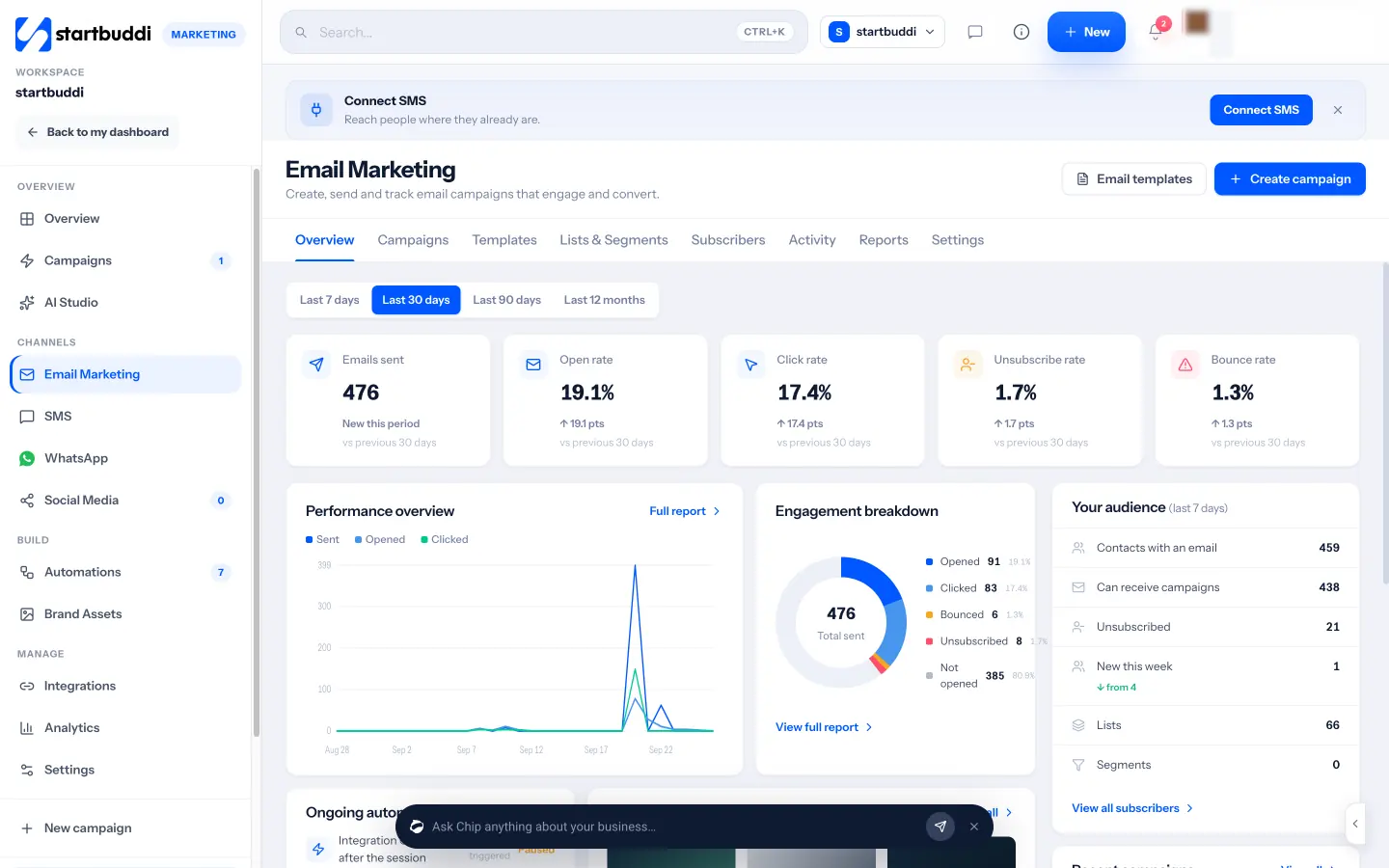
Email marketing in the Marketing hub lets you write a campaign with Chip, from a template or from blank, pick your audience from lists and segments, and schedule it. The template library includes categories such as newsletter, re-engagement, post-session and welcome and onboarding. After sending, the report shows opens, clicks and who did what, and you can resend to people who did not open, once per campaign, with a new subject line. The Marketing hub, including email campaigns, WhatsApp and SMS, needs the Starter plan or above. See email marketing.
Reach regulars on WhatsApp
WhatsApp in the Marketing hub lets you send campaigns using approved templates to the contacts and segments you choose, and replies land in your Customers inbox. It needs a connected WhatsApp Business number and the Starter plan or above. For personal one-to-one messages, write from the inbox instead.
3. Sell memberships and retainers with Subscriptions
In Money Manager, open Get Paid, then Subscriptions, and create a plan with a name, an amount and a billing period (monthly or annually). Add a subscriber by email and name to create a subscribe link you can send. Renewals are charged automatically by your connected Paystack or Stripe account, and you can cancel a subscription when a customer stops. The subscriptions help article covers each step.
Even with the best keep-in-touch plan, some customers will drift. Chapter 4 covers how to spot them early, win them back, and learn from the ones who leave.
Spot at-risk customers and win them back
- A three-step win-back sequence
- Worked example: is win-back worth it?
- Why customers leave, and what to do about it
- Questions to ask when someone leaves
- Know when to let a customer go
- Winning back business clients
- Feed what you learn back into onboarding
- Plan for the seasons
- 1. Find customers who have gone quiet
- 2. Run a win-back campaign
- 3. Collect feedback with a form
- Your next step
No business keeps every customer. People move, budgets change, needs are met, and sometimes a competitor simply fits better. What separates businesses with strong retention is not that nobody leaves, but that they notice early, act quickly, and learn from every departure. This chapter covers the warning signs, how to ask for feedback, a win-back routine with templates, how to handle cancellations gracefully and a monthly retention review.
Spot the warning signs early
Customers usually give signals before they leave. The trick is to look for them regularly, rather than finding out when it is too late. Common signs include:
- Longer gaps between purchases. A client who booked every four weeks has not booked for eight.
- Less engagement. They stop opening your emails, reply more slowly, or skip meetings.
- Smaller orders. A retainer client asks to reduce hours, or a regular customer buys the cheapest option.
- Complaints or unresolved problems. Especially small ones that nobody followed up.
- Late payments. Sometimes a sign of money trouble, sometimes a sign they are less committed.
- Changes on their side. A new manager, a merger, a move, a new competitor in their market.
Set a simple rule for your business: "Anyone who has not bought for twice their usual gap gets a personal check-in." For a salon with a five-week rhythm, that means anyone who has not visited in ten weeks.
Ask for feedback, and act on it
Feedback tells you why customers stay and why they drift. Two simple tools cover most small businesses.
- A one-question survey after each job or at regular intervals. "How likely are you to recommend us to a friend, from 0 to 10?" followed by "What's the main reason for your score?" This is the Net Promoter Score question. People who answer 9 or 10 are promoters, 7 or 8 passives, and 0 to 6 detractors; your score is the percentage of promoters minus the percentage of detractors (Bain & Company).
- A regular review conversation with larger clients. Every three or six months: what is working, what could be better, what is changing in their business.
The most important part is what happens next. Reply to every low score personally within a day. Thank promoters and ask whether they would leave a review or refer a friend. Once a month, look for patterns in the comments and fix the most common complaint. There is more on handling feedback and complaints in our guide to customer service for small business.
Win back quiet customers
A quiet customer is not a lost customer. Many simply forgot, got busy or had a small problem they never mentioned. A short, personal win-back routine brings a surprising number back.
A three-step win-back sequence
Step 1: a personal check-in. No offer, just interest.
Hi Mercy, it's been a little while since we saw you, and I wanted to check in. How have you been? If anything wasn't quite right last time, I'd really like to know.
Step 2, about a week later: something useful or new.
Hi Mercy, just to let you know we've added Saturday morning appointments, which a few clients had asked for. Here's the booking link if it's helpful: [link].
Step 3, about two weeks later: a gentle incentive.
Hi Mercy, we'd love to see you again, so here's 15% off your next visit, valid until the end of the month. Book here: [link]. If you've moved on, no hard feelings at all, and thank you for being a client.
Then stop. If they do not reply, respect it, and keep them on your newsletter only if they agreed to receive it.
Worked example: is win-back worth it?
A dog groomer in Dublin identifies 60 customers who have not booked for more than 12 weeks. She sends the three-step sequence. Suppose 9 of them book again (15%). Each customer is worth about €45 a visit and typically visits six times a year. Those 9 customers are worth roughly €2,430 over the next year, for an afternoon's work and three short messages. Even if the real response is half that, it is one of the best-paid afternoons of her year.
Why customers leave, and what to do about it
When you record why customers leave, the reasons usually fall into a few groups. Each has a different fix.
| Reason | What it often means | What to try |
|---|---|---|
| "Too expensive" | They do not see enough value, or their budget changed | Show results more clearly; offer a smaller package or a pause |
| "We forgot" or no reason | You were out of sight and out of mind | Rebooking reminders and a regular, useful newsletter |
| A service problem | Something went wrong and was not fully put right | Better complaint handling and a follow-up after every fix |
| Went with a competitor | Someone offered something you did not, or reached them first | Ask what tipped the balance; check your offer and response time |
| Need is finished | The project ended or their situation changed | Suggest a natural next step; ask for a referral and a review |
The "forgot" group is often the largest, and it is also the easiest to fix.
Handle cancellations gracefully
When a customer tells you they are leaving, how you respond affects whether they come back, whether they recommend you anyway, and what you learn.
- Thank them. Genuinely, for their business.
- Ask why, once. "Would you mind telling me the main reason? It helps us improve." Do not argue with the answer.
- Offer an alternative if it fits. A pause instead of a cancellation, a smaller package, a different schedule. Offer it once, and accept a no.
- Make leaving easy. Cancel promptly, send any final invoice or refund due, return files or keys, and confirm in writing.
- Leave the door open. "If anything changes, we'd love to work with you again."
Customers who leave on good terms often return, and they are far more likely to recommend you than customers who had to fight to cancel. Some countries also have specific rules on cancelling subscriptions, so check the requirements where you trade.
Questions to ask when someone leaves
Keep exit questions short. One or two, asked kindly, get more honest answers than a long form:
- "What was the main reason you decided to stop?"
- "Is there anything we could have done differently?"
- "Would you consider coming back in future if something changed?"
Write the answers on the customer's record. Six months later, they are the most useful research you have.
Know when to let a customer go
Not every customer is worth keeping at any cost. A customer who always pays late, constantly asks for work outside the agreement, or treats your team badly may cost more than they bring in. Retention strategies are for customers you want to keep. For the others, finish the work well, part on polite terms, and put your energy into the customers who value what you do.
Winning back business clients
For business clients, win-back works best as a conversation rather than a campaign. Check whether your contact is still there; if they have moved on, introduce yourself to their replacement. Offer something useful, such as a short review of their current situation or an idea relevant to their plans. If the client left over a specific problem, explain what you have changed since. Many business relationships end because of a single bad month, and a thoughtful approach a year later can restart them.
Feed what you learn back into onboarding
The reasons customers leave often point back to the beginning of the relationship. If people leave because "it wasn't what I expected", your expectations need to be clearer at the start. If they leave because they "didn't see results", your early win and progress updates need work. Review your onboarding plan from chapter 2 every six months with your churn reasons in hand.
A monthly retention review
Put 30 minutes in your calendar once a month. Work through this list:
- Update your retention rate or repeat customer rate from chapter 1.
- List customers who have gone quiet (more than twice their usual gap) and send personal check-ins.
- Read this month's feedback and complaints; pick one thing to fix.
- Note who cancelled and why; look for patterns over the last three months.
- Thank three loyal customers personally.
Over a year, these 30-minute sessions add up to one of the most profitable habits in your business. For more ideas on keeping client relationships strong, read how to retain clients.
Mistakes to avoid with at-risk customers
- Waiting for customers to tell you. Most never do. They just stop coming.
- Leading with a discount. It can look desperate and trains customers to drift away to get a deal.
- Bulk "we miss you" emails with no personal touch. For your best customers, write personally.
- Arguing with cancellation reasons. Listen, learn and let them go well.
Plan for the seasons
Some drifting is seasonal rather than personal. A garden service loses customers every winter, a tutor loses them over the summer holidays, and a tax adviser is quiet after the filing deadline. Plan for it: offer a paused membership instead of a cancellation, schedule a "we're back" message before the busy season, and offer something useful in the quiet months, such as a planning session or a maintenance check. Customers who pause and return are just as valuable as those who never left.
How to find and win back at-risk customers in startbuddi
1. Find customers who have gone quiet
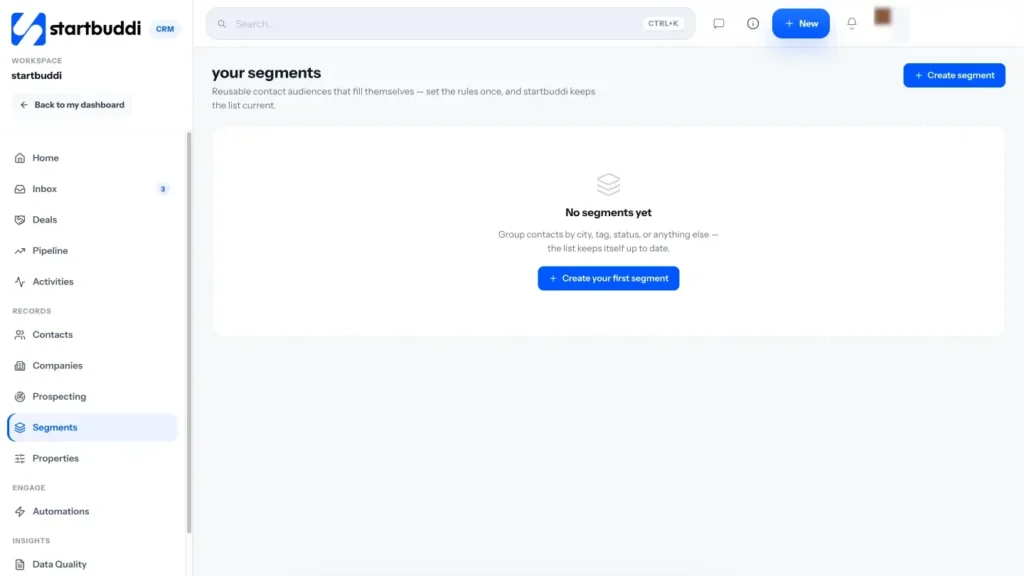
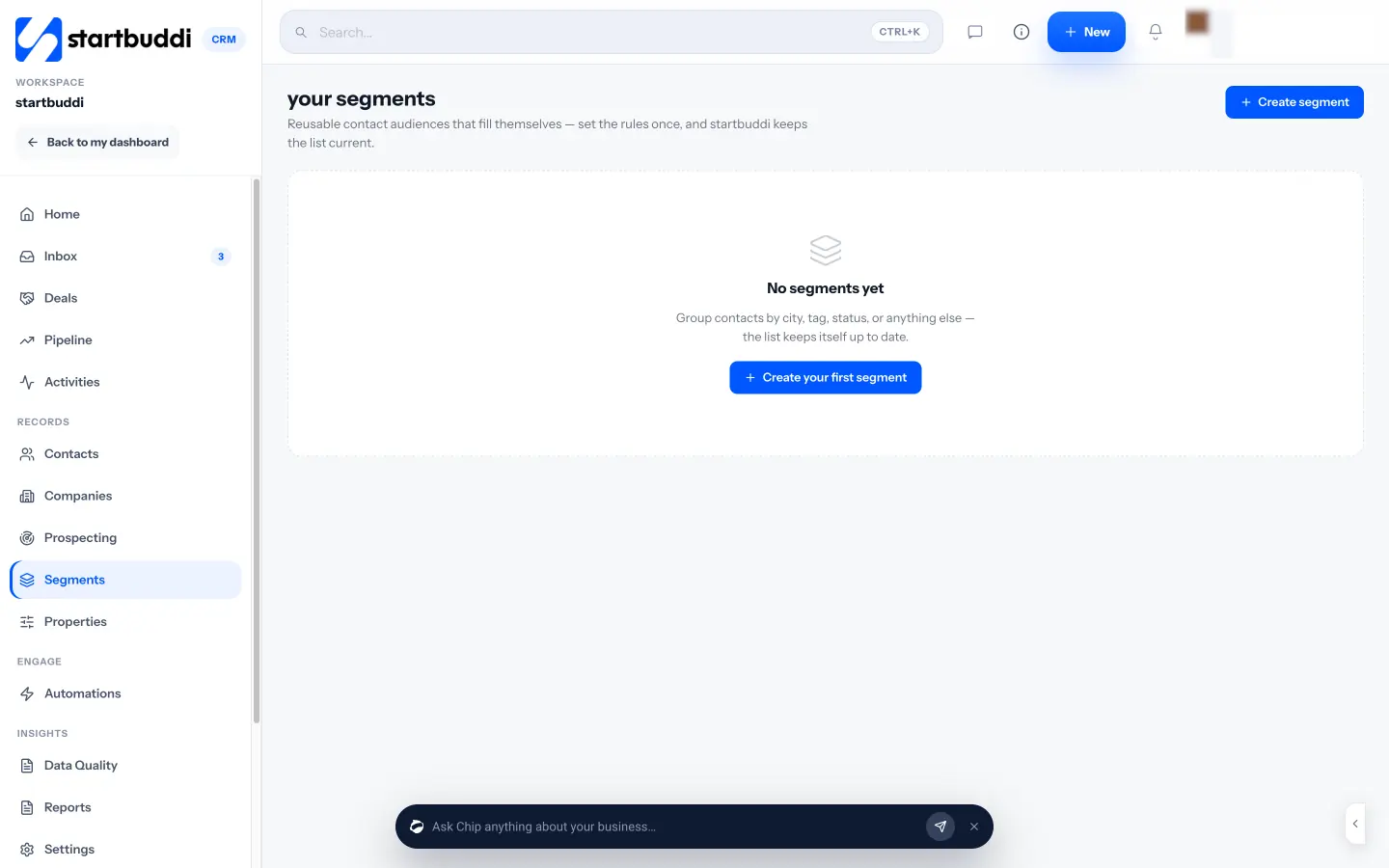
In Customers, the home page includes a Chip prompt, "Who haven't I contacted in 14 days?", and a list of next best actions showing who to reply to and which deals have stalled. In the contacts list, the Last contacted filter (7, 30 or 90 days, more than 90 days, or never) shows who has gone quiet, and you can save the view as a segment. If you take bookings, the Bookings Customers list tags people as "At risk" based on their booking history.
2. Run a win-back campaign
In the Marketing hub, Campaigns can start from a template called Win back quiet contacts, a 21-day plan you can adjust, with its own goals and results. Inside it you can create the emails or WhatsApp messages for each step. For a sequence that runs on its own, Automations includes a Manual reactivation burst template to "bring dormant contacts back into active conversations", and a Cancellation win-back template that starts when a booking is cancelled. You edit every message before switching anything on. The Marketing hub needs the Starter plan or above, which also raises active automations from 2 to 10; see audiences, lists and segments for how to target the right people.
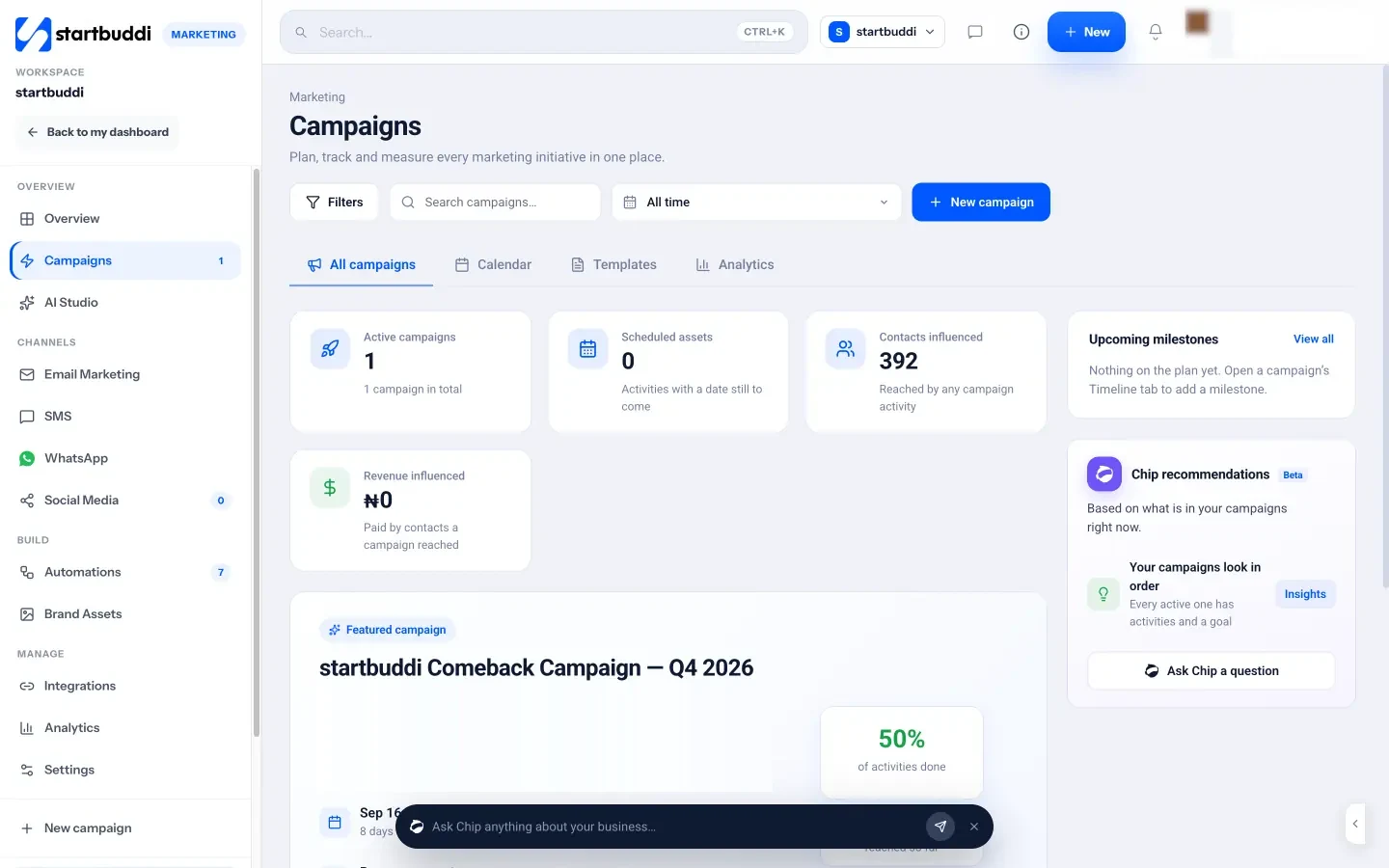
After a win-back email goes out, the campaign report shows who opened and who clicked. People who clicked but did not book are worth a personal message; people who did not open can receive the same email once more with a new subject line using Resend to non-openers.
3. Collect feedback with a form
In Forms, the NPS and Feedback template gives you a ready-made feedback form. Share the link in your follow-ups or newsletter, and each response can be linked to the customer's contact record, so you can reply personally to low scores. Email marketing reports also show who opened and clicked, which is an early signal of who is still engaged.
Your next step
Work out your retention rate or repeat customer rate this week, then pick one strategy from this guide to start with: a welcome message, a rebooking reminder or a win-back check-in to five quiet customers. The Free plan covers contacts, bookings and segments, and Starter adds email campaigns, WhatsApp, SMS and more automations. Every paid plan starts with a 30-day trial. Compare plans and start keeping more of the customers you have.
Tiwalade Joanna Okedara-Kalu is the founder, CEO and CTO of startbuddi, the business system that brings clients, bookings, invoices, projects, marketing and the Chip AI assistant into one place. Tiwalade builds software around how service businesses really work day to day, and writes about client management, getting paid on time and why small businesses outgrow the tools they start with.
Founded startbuddi and leads its product and engineering