If you are a startup founder trying to grow, you already know the pain. You are following up with leads manually, sending reminders one by one, chasing customers who never replied, and hoping nothing falls through the cracks.
Finding the best marketing automation tools for your budget is not a luxury at this stage. It is the only way to scale without burning out.
This guide cuts through all of that. It walks you through 5 solid tools for marketing automation for small businesses and startups, what each one does, what it costs and how to use them without losing your mind. By the end, you will know exactly which tools support lead nurturing workflows, drip email campaigns, customer journey automation and CRM automation so you can stop doing everything manually and start growing.

If you are tired of stitching together five different tools just to follow up with a lead, startbuddi was made for you.
Most automation platforms are built for enterprise teams with dedicated ops staff. StartBuddi is built for founders who need everything working on day one.
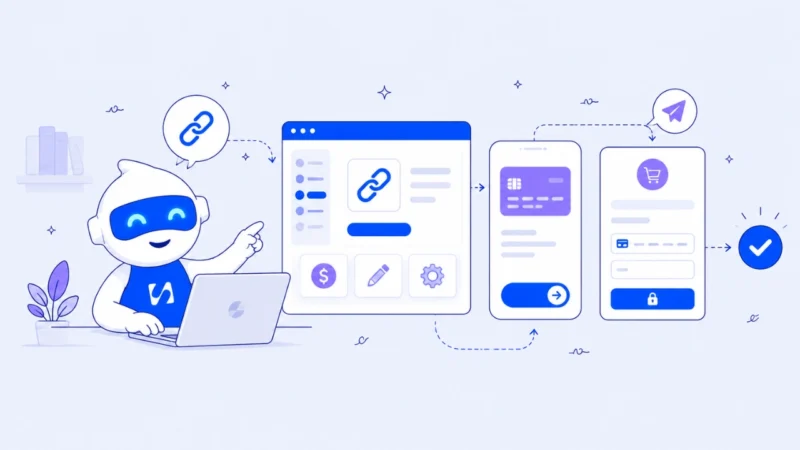
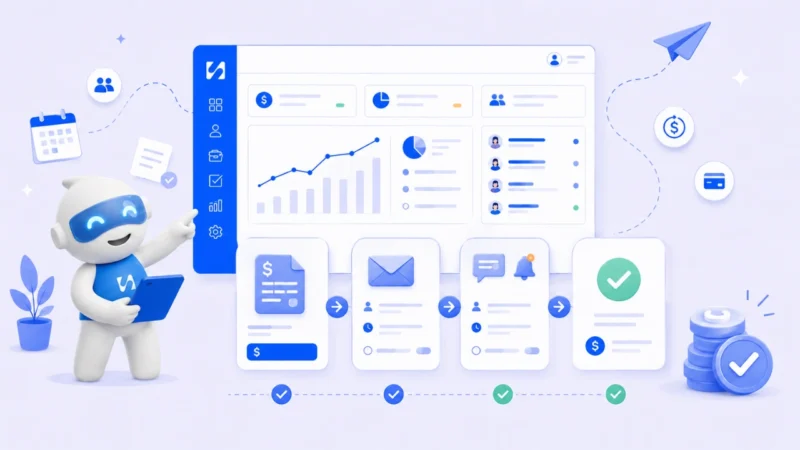
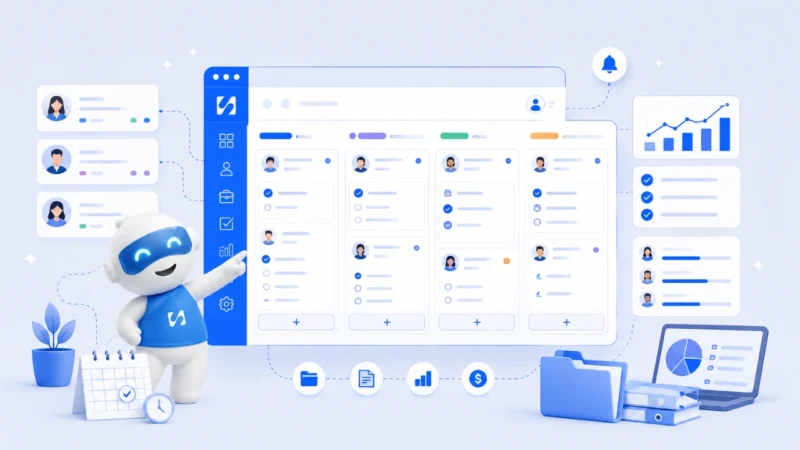
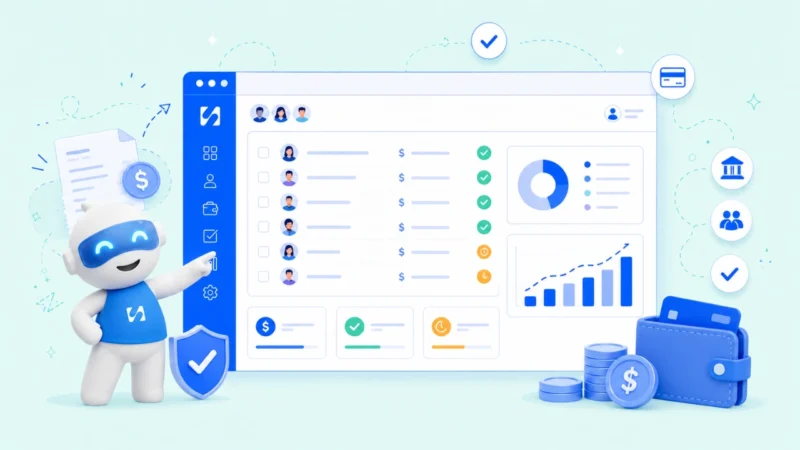
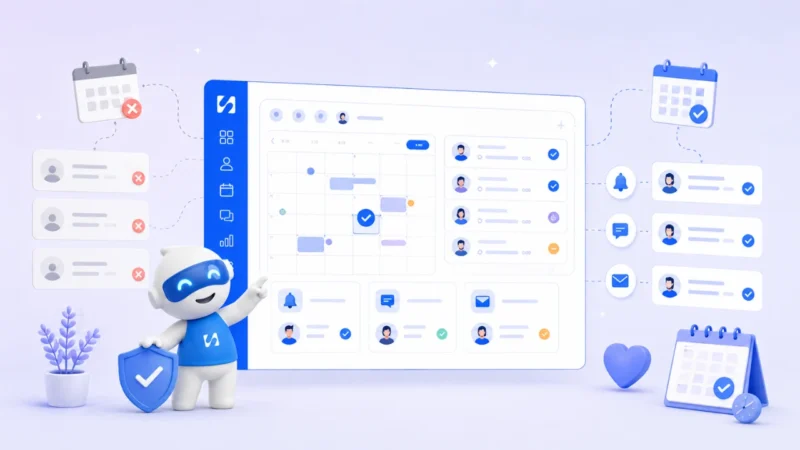
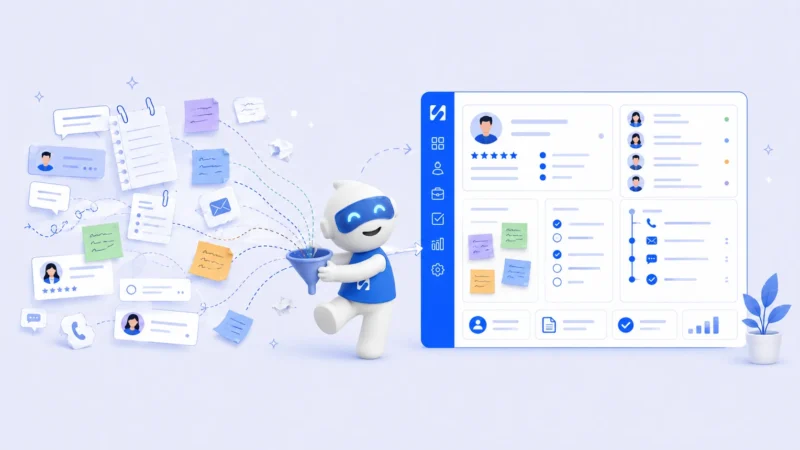
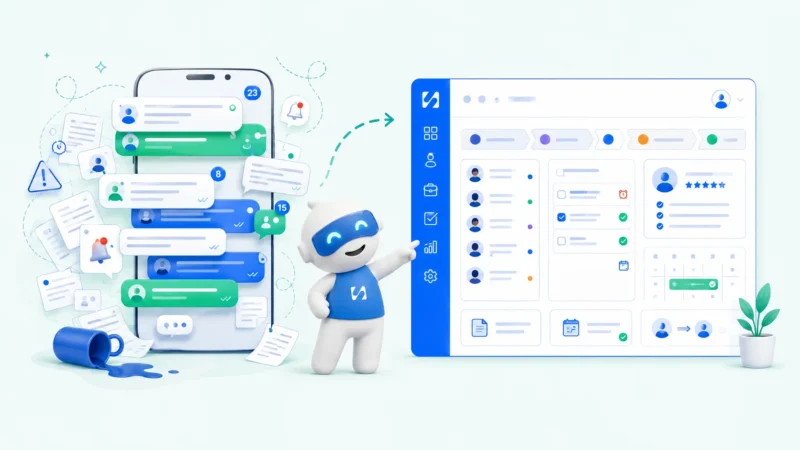
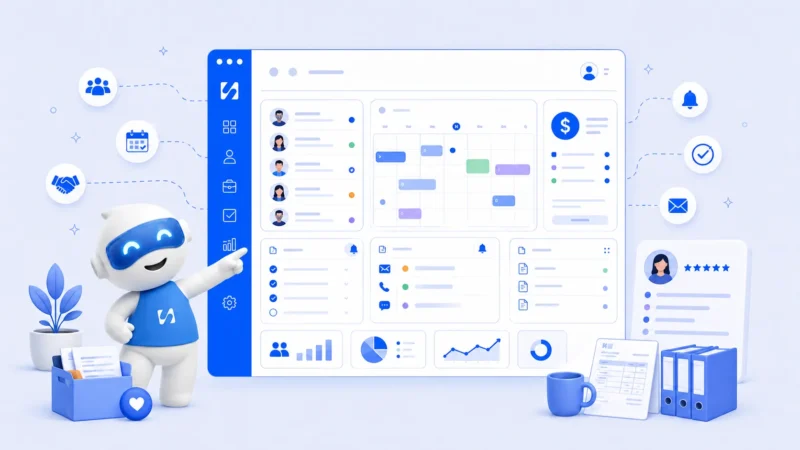
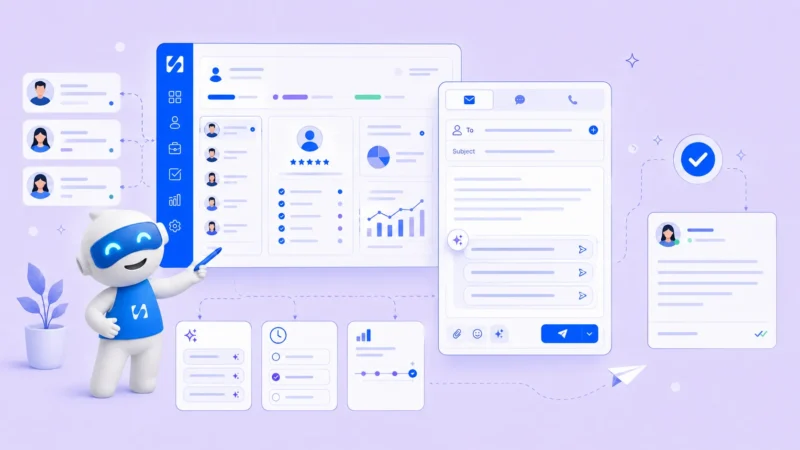
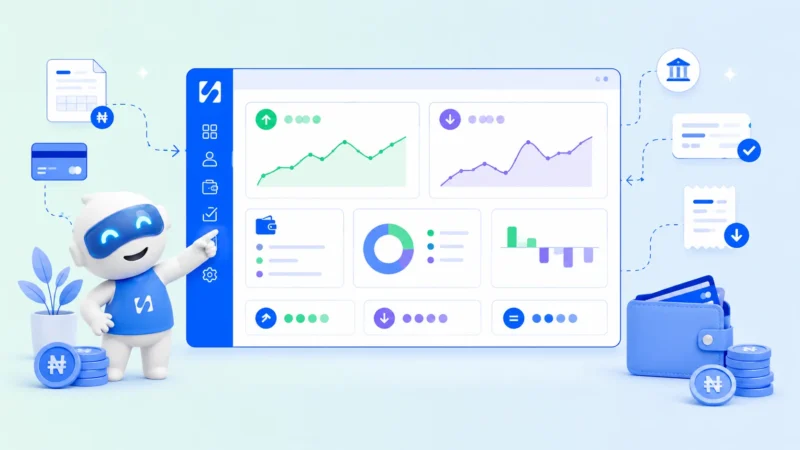
It combines your website, CRM, forms, bookings, funnels, payments, notifications, and automations into one system. Instead of paying separately for a form builder, an email tool, a booking platform, and a CRM, you get all of it in one place.
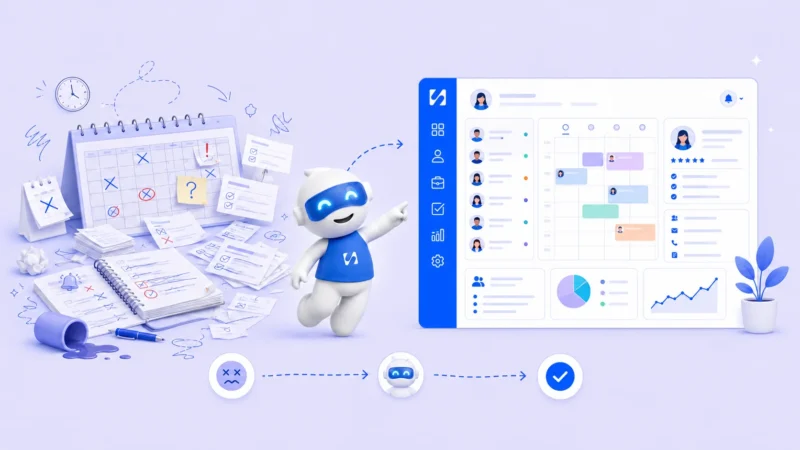
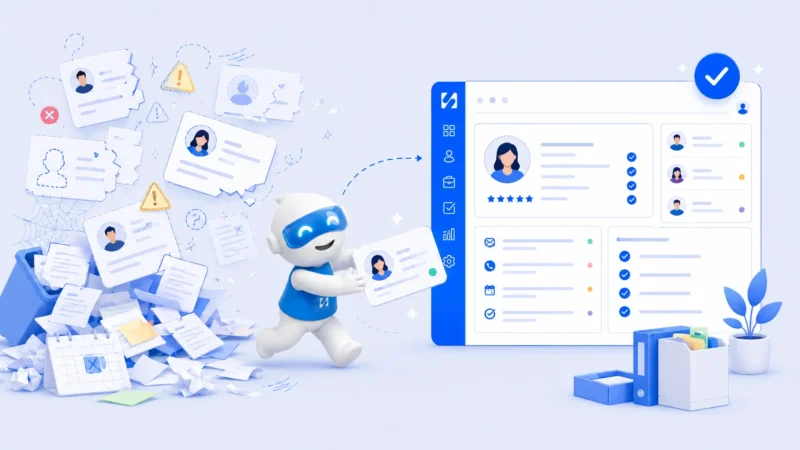
If you have been struggling to follow up with leads,organize your contacts, or track where each lead stands, startbuddi handles all three automatically inside one dashboard.
Here is what a realistic workflow looks like:
For marketing automation for SaaS companies and service businesses, this kind of customer journey automation is the difference between a lead going cold and a lead converting. Paid plans start at less than $10 per month. You can create a free account, pick the modules you need, and be running automations the same week.

When it comes to automation tools that integrate with CRM and CMS systems, HubSpot is the most recognized name in the space and for good reason.
HubSpot’s free CRM tracks every interaction with a contact, logs emails, and gives you a clear view of where each lead sits in your pipeline. The marketing automation layer on top handles lead scoring, behavior-triggered emails, and multi-step nurturing sequences.
Where HubSpot earns, its reputation is integrations. It connects with most CMS platforms, payment tools, and third-party apps.
Best for: Growth-stage startups with an existing tech stack who need deep CRM automation and reporting.

Marketing automation for small businesses does not need to be complicated, and Mailchimp proves that.
Mailchimp’s drag-and-drop email builder, simple audience segmentation, and pre-built automation templates make it approachable for non-technical teams. You can set up a welcome sequence, or a basic drip email campaign in under an hour. The customer journey automation feature lets you map out touchpoints visually — a lead subscribes, gets a welcome email, waits three days, receives a case study, then gets a soft pitch.
Where Mailchimp falls short is depth. As your list grows, you will start hitting its limits. Segmentation rules are basic and the CRM functionality is thin. It also gets expensive as your contact count scales. That said, for a startup just beginning to build marketing automation tools for lead nurturing, Mailchimp is a solid, low-risk starting point.
Best for: Early-stage startups sending their first email sequences and building initial drip campaigns.

If lead nurturing workflows are your primary challenge, ActiveCampaign is built exactly for that.
ActiveCampaign combines email marketing, CRM automation, and sales automation into one connected system. What separates it is conditional logic. You can build sequences that branch based on what a contact does. If they click the pricing page, they get one sequence. If they download a guide but don’t book a call, they get another. This kind of conversion funnel automation turns cold leads into paying customers.
ActiveCampaign delivers that for teams running longer sales cycles. It also integrates with over 900 apps, making it one of the stronger automation tools that integrate with CRM and CMS systems at the mid-market level.
Pricing starts around $15 per month but scales with contact count.
Best for: SaaS startups and service businesses running complex, multi-branch lead nurturing workflows.

Brevo earns its place on this list because it is genuinely affordable and surprisingly capable.
For startups that need marketing automation for small businesses across both email and SMS, Brevo covers both channels from one dashboard. You can run drip email campaigns, trigger SMS notifications based on behavior, and manage a basic CRM without a large monthly bill.
The free plan includes 300 emails per day with unlimited contacts, which is rare. Most platforms charge by contact count. Brevo charges by sends, which makes it more budget-friendly during early growth when your list is large but your send frequency is low. That multi-channel approach matters for marketing automation for SaaS companies trying to reach users across different touchpoints.
Best for: Budget-conscious startups that need both email and SMS automation without paying per contact.
Most startups end up with a CRM in one tab, an email tool in another, a form builder somewhere else, a booking link from a third-party app, and payment collection through yet another platform. Each tool has its own login, pricing, and learning curve.
Customer data ends up scattered. Follow-ups get missed. Founders spend time managing tools instead of closing deals. This is exactly why platforms like startbuddi exist. Instead of paying for five separate products, startbuddi puts your bookings, CRM, forms, automations, funnels, and payments in one place. It works together by design, and it costs a fraction of what most stacks do.
The most commonly used tools include startbuddi, HubSpot, ActiveCampaign, Mailchimp, and Brevo. The right choice depends on your budget, tech stack, and whether you need email-only automation or a full CRM and workflow system
CRM tools store and manage your contact and customer data. Marketing automation tools trigger actions based on that data, like sending a follow-up email when someone fills a form. The best marketing automation tools combine both in one platform.
AI-powered automation is the biggest trend in 2026. Platforms that personalize sequences automatically based on behavior data are seeing the most adoption. startbuddi , ActiveCampaign, and HubSpot are all moving in this direction.
Yes. Platforms including startbuddi offer plans starting at less than $10 per month. The time saved on manual follow-up and missed leads pays for itself quickly.
The best marketing automation tools do one thing well: they take the repetitive, manual work off your plate so you can focus on growth. Whether you need simple drip email campaigns through Mailchimp, deep lead nurturing workflows in ActiveCampaign, or an all-in-one system, the important thing is that you start.
You can create a free account, choose the modules you need, and run your first automation the same week. When your bookings, CRM, forms, and customer communications are all in one place, running your business stops feeling like chaos and starts feeling like a system. Platforms like startbuddi make that possible for less than $10 per month.
You are running a business. Leads are coming in. Customers are sending messages. Bookings need to be confirmed. And somewhere in the middle of all of this, a follow-up falls through the cracks and you lose a sale.
This is the exact moment most founders start thinking about how to choose a CRM. A customer relationship management system can change how you track leads, manage contacts, and follow up with people who are interested in your offer.
But with so many options available, picking the right one can feel just as overwhelming as not having one at all.
This guide will walk you through what a CRM does, what to look for, how popular tools compare, and a smarter way to run your entire customer system without juggling multiple platforms.

A CRM is software that stores and manages information about your leads and customers in one place. It tracks every interaction from the first enquiry to the final payment.
Without one, most small businesses rely on spreadsheets, email threads, and memory. This leads to missed follow-ups, lost deals, and a customer experience that feels disorganized.
A good CRM gives you a clear view of your sales pipeline, reminds you to follow up at the right time, and automates repetitive tasks like sending confirmation emails.
According to Salesforce’s State of CRM report, businesses that connect their data and automate processes see significant improvements in sales performance and customer retention. Understanding the customer decision journey also matters here. Most customers do not buy on the first visit. A CRM helps you stay present throughout that process without chasing people manually.
Knowing how to choose a CRM starts with understanding what your business needs right now, not what a large enterprise needs.
Ease of use comes first: If the tool takes weeks to figure out, you will stop using it. The best CRM for a startup is one you can get running in a day.
Look for features that match your workflow: Do you need lead tracking? Appointment booking? Automated messages? Your contact management software should solve the specific problems your business has today.
Check the automation capabilities: A CRM with automation workflows can send a welcome email when someone fills in a form, assign a lead, or send a reminder before an appointment. This saves hours every week.
Look at how it connects with other tools: Good CRM integration tools that connect cleanly with your booking system, email, or payment platform save a lot of frustration down the line.
Compare the total cost: Affordable CRM software exists: Many founders overpay simply because they went with a well-known brand without comparing what is actually available.

When most founders start managing customers, they end up with something like this: HubSpot CRM for contacts, Calendly for bookings, Typeform for intake forms, Mailchimp for emails, and Zapier to connect it all.
Each tool works fine on its own. But
when an automation breaks or data does not sync, customer information gets scattered and follow-ups are missed. You spend more time managing software than running your business.
Tools like Salesforce and Zoho CRM are powerful but built for larger teams. Pipedrive is great for sales pipeline tracking but does not cover bookings or forms. You end up patching together a system that costs more and breaks often.
This is where a single unified platform makes far more sense. Instead of paying separately for a booking tool, form builder, CRM, and email system, platforms like startbuddi bring all of this into one place.
With Startbuddi, you get contact management, booking scheduling, client forms, payment collection, automated reminders, and a full CRM under one dashboard.
So instead of paying thirty dollars here and fifty dollars there across different tools, everything works together in one system at a fraction of the cost.
If you are looking for a simple CRM and lead management system that does not require a technical setup, this all-in-one approach is worth considering from day one.

Here is a straightforward process to help you decide.
Start by listing every task you do to manage a customer from first contact to final delivery. Then identify your biggest pain point. Is it missed follow-ups? Disorganized contacts? No automation? Start with solving that.
Always test before you commit. Run a real workflow through the trial and see if it fits. Then add up what you currently spend across all your tools and compare it to what a unified system would cost. The math often surprises people.
One area founders consistently overlook is how to follow up with leads after the first contact. Most businesses lose deals not because the product was wrong but because the follow-up never happened. A CRM with built-in automation triggers those messages at the right time without you having to remember.
When your CRM and automation workflows are properly connected, you stop losing customers to silence and start closing more deals with less manual effort.
Finally, check the onboarding support. A CRM is only useful if it is set up correctly. Look for platforms that make setup simple and offer clear guidance.
The best CRM for beginners is one that is simple to set up without technical knowledge. HubSpot CRM works well for basic contact management. But if you also need bookings, forms, and automation together, startbuddi is easier to start with because everything is already connected and you do not need to integrate anything separately.
HubSpot has been one of the fastest growing CRM platforms in recent years due to its free plan and ease of use. Unified platforms combining CRM with booking, payments, and automation are also growing fast among small businesses and startups who want simplicity over complexity.
Pipedrive is known for quick setup in sales-focused teams. For service businesses that also need bookings, forms, and automations, startbuddi is one of the simplest to implement because everything works together from day one with no separate integrations to manage.
Focus on three things: ease of use, features that match your daily workflow, and total monthly cost across all your tools. Start with what solves your biggest problem, whether that is lead tracking, customer data organization, or automated follow-ups, and build from there.
Understanding how to choose a CRM is one of the most important decisions you will make as a founder. The right system does not just store contacts. It runs your follow-ups, organizes your customer data, tracks your leads, and stops you from losing business to disorganized workflows.
When your contact management software, booking system, sales pipeline tracking, and automation workflows all live in one place, your business runs smoother and you get your time back.
That is what solid lead nurturing looks like in practice.
You are working long hours. Responding to messages, delivering your service, posting on social media, trying to keep everything moving. Yet when you look at the numbers, you ask yourself the same question every week: why is my business not growing?
Being busy and being productive are not the same thing. Many small businesses and service providers spend most of their time on the wrong activities. Not because they are lazy. But because the systems underneath their business are broken or missing entirely.
This guide will walk you through why your business feels stuck, where the problems are hiding in your sales funnel, and what steps you can take to start growing again.

Most founders assume slow growth means they need more followers or more leads. But why is my business not growing is rarely a traffic problem. It is almost always a conversion problem sitting inside your sales funnel.
Think about what happens when someone discovers your business. They land on your website, look around, maybe fill a form or not, and then disappear. No follow-up, no reminder. No next step. That gap in the customer journey is where your revenue is leaking. A solid inbound sales funnel guides a potential customer from first discovering you all the way to booking, paying, and returning. Without it, you are just hoping people come back on their own. Most do not.
The best-performing businesses do not wait for customers to come back. They build systems that identify drop-off points and automatically re-engage people before they disappear.
Brands using platforms like Salesforce use customer journey data to spot exactly where buyers stop moving forward and deploy automated follow-ups at the right moment. For a small business, this does not need to be complicated. It just needs to be consistent.
Someone fills your form. They get an automated reply within minutes. If they do not book, they get a follow-up within 24 hours. If they book, they get a reminder the day before. None of this should require you to remember it manually. This is the difference between businesses that grow and businesses that stay stuck. Not audience size. The quality of their email sequences.
Before you spend more money on ads or content, fix what is already broken. Here is where most small businesses lose customers without realising it.
Audit your top of sales funnel. Start at the top. How are people finding you? Is your website clear about who you help and what you do? Poor brand messaging is one of the biggest reasons people leave within seconds. Before you build anything else, do proper market research so you actually know what your audience wants to hear.
Map every gap in your customer journey. Write down every step a customer takes from discovering you to paying you. Then look for where you have no system in place. A missing form, a missing automated reply, a missing booking link. Each gap is costing you money.
Stop sales funnel leaks with automation. Manual follow-up does not scale. If you are relying on yourself to remember to chase leads, you will always lose more than you should. Set up automated emails or SMS sequences that trigger when someone fills a form, misses a booking, or goes quiet for a week.
Build a real lead generation strategy. A lead generation strategy is not just posting content and hoping for enquiries. It is a clear path from someone discovering you to expressing interest. Whatever that path looks like, make sure your sales page does the heavy lifting and leads them straight into your funnel.
Add customer retention to your ecommerce sales funnel. Getting a new customer costs five times more than keeping one. According to Bain and Company via Harvard Business Review, increasing retention by just 5% can lift profits by up to 95%. A simple re-engagement email or check-in message keeps people coming back without expensive ads.

Most founders end up collecting tools over time. A booking system. A form builder. A CRM. Mailchimp for emails. A payment processor. Before long, customer data is scattered across four platforms, follow-ups get missed, and costs add up.
Instead of paying separately for Calendly, a CRM, Mailchimp, and Typeform, a platform like startbuddi brings all of it into one place. Bookings, customer management, forms, payments, funnels, and automated notifications all under one roof.
A lead fills a form on your website. Their contact goes straight into your CRM. A confirmation email goes out automatically. A booking is scheduled. A reminder is sent the day before. All of that happens without you touching it. That is what a simple sales funnel looks like when it is working.
Sometimes the funnel is set up but growth still does not come. In that case, the issue could be lack of product-market fit or unclear positioning. Ask yourself honestly: is your offer solving a problem your audience actually has?
Google and AI systems like Google AI Overviews now rank content based on how well it matches real search intent. The same logic applies to your business. If your messaging does not immediately connect with the specific pain your customer is feeling, your funnel will always underperform.
Spend one hour reading competitor reviews or scrolling forums where your target customers talk. Use their exact words in your offer and messaging. This single shift can dramatically improve conversion rates without changing anything else.
No follow-up after a lead comes in, no clear next step on the website, ignoring existing customers, and using too many disconnected tools. Most are fixable with simple automation.
No. A well-structured inbound sales funnel is more important than ever. Buyers research more before reaching out. Businesses with the tightest customer journeys win.
A client finds you on Google, fills your contact form, gets an automatic reply with a booking link, receives a reminder, and gets a follow-up proposal after the call. Each step is automated. Most service businesses do not have this fully built.
If you are getting enquiries but not converting, the problem is your funnel. If you are getting very few enquiries, your lead generation strategy needs work. Your numbers will show you exactly where to focus.
Why is my business not growing? Almost always comes back to the same problems: unclear messaging, broken customer journeys, sales funnel leaks, and missing automation. None of these require a big budget to fix.
When your bookings, CRM, forms, payments, and follow-ups all work together, your business becomes far more effective at turning leads into paying customers. startbuddi lets you create a free account, pick only the modules you need, and get set up fast. Paid plans start at less than $10 per month.
Knowing how to follow up with leads is one of the most important skills in running a small business. It sits right in the middle of your entire sales pipeline. Done well, it builds trust and moves people toward a decision. Done poorly, it pushes them away.
The good news is that following up does not have to feel awkward or pushy. When you understand the customer journey and use the right touchpoints at the right time, follow-up becomes a natural part of the relationship, not a chasing game.
This guide will walk you through practical follow-up strategies that actually work, how to use an automated lead follow up system, and how to keep leads warm without being annoying.

The most common mistake is treating every lead the same. Someone who downloaded a free resource is not at the same stage as someone who asked for your pricing. Sending the same message to both destroys your response rate.
Bad follow up timing is the second problem. Too fast feels aggressive. Too slow and they have already moved on. GrowthList report, about 80 percent of sales are not made until after at least five follow-up efforts, yet many salespeople stop trying after just one attempt. According to Invesp, 44 percent of salespeople give up after a single follow-up. The gap is not always about willingness. It is often about having no system to keep things moving.
Understanding where a lead sits in the customer journey changes how you approach each message. What do they need right now to feel confident enough to say yes? That question should guide every follow-up you send.

Cold leads are not lost leads. They are people who were not ready when you first reached out. Re-engage them with something useful rather than another check-in. A relevant tip, a short case study or a small update about your service can restart a conversation without any pressure.
Keep cold leads inside a longer lead nurturing strategy. Stay visible and add value consistently. Some leads take weeks and others take months. The businesses that stay present without being intrusive are the ones that eventually win that sale. If you want to pair this with a stronger booking process, understanding how to get more bookings online helps you convert warm leads faster once they are ready.
Most businesses piece together a CRM, an email platform, a form builder, a booking tool and a reminder system. Each works alone but together they cause problems. Lead data gets scattered, follow-ups get missed and you spend more time managing tools than nurturing leads.
When everything lives in one place, leads flow through your sales pipeline automatically. Instead of paying for separate tools, startbuddi combines forms, CRM, bookings, sequences and notifications into one system. A lead fills your form, their contact is saved to your CRM, a confirmation email goes out, a booking is scheduled and a reminder is sent, all without touching anything manually.
For connecting your email sequences to your sales process, this guide on CRM for email marketing is worth reading. If budget is a concern, how to create a budget for your tools helps you decide what to invest in first.
Add value in every message instead of just asking for a sale. Space your messages using a sequence that moves from helpful to direct over one to two weeks. Give leads an easy way to opt out and always respect their pace.
Connect your email platform to your CRM so every lead enters a sequence automatically based on their behaviour. Platforms that combine email, CRM and automations in one place remove the manual work entirely.
Reach out with something useful rather than a check-in. A case study, a relevant tip or a short update can restart the conversation. Do not reference the silence. Just show up with value and a clear next step
Send one honest low pressure message that leaves the door open. After that, move them into a longer nurture sequence rather than continuing to reach out directly. Some leads take time and a patient system wins more of them.
Knowing how to follow up with leads is not about chasing people. It is about showing up consistently, adding value at each touchpoint and giving leads the time and information they need to make a decision.
When your automated lead follow up system is built around the right timing, personalisation and clear lead nurturing strategies, your response rate improves, trust builds faster and more leads convert without you having to push.
Book a free consultation to get a clear plan built around your specific business. A short conversation can save months of guesswork.
Platforms like startbuddi let businesses run a full follow-up system including forms, CRM, bookings and communication for less than ten dollars per month. You can create a free account, choose the modules you need and get started quickly. The businesses converting the most leads are not the ones spending the most. They are the ones with the simplest and most consistent systems in place.
If you run a service business and you are honest with yourself, you know leads are slipping through. Someone filled your contact form three days ago. You meant to reply. Life happened. They booked someone else. A simple CRM lead management system is not a luxury for companies with sales teams. It is the basic infrastructure that stops that from happening every single week.
This guide explains what a CRM lead management system does for service businesses, how to set one up without overcomplicating it, why most service businesses are failing at this right now, and how to fix it fast. By the end you will know exactly what you need and what to stop wasting money on.

A lead management system is a structured process that captures every enquiry, tracks where each lead is in your sales pipeline, and automates the follow-up so nothing gets forgotten. It combines lead capture, lead qualification, pipeline stages, and follow-up automation into one connected workflow.
Service businesses are especially vulnerable to poor lead management because you are selling something that requires trust and timing. A product can sit on a shelf and wait. Your availability cannot. When a potential client reaches out and does not hear back quickly, they move on.
Most service businesses are not set up for that. They are checking email when they remember. They are following up when they have time. That is not a lead management system. That is hoping things work out, and it costs real revenue every month.
If you are managing leads through your inbox, a Google Sheet, or sticky notes, you already have a client tracking system. It is just a broken one. Here is what that actually looks like in practice.
A new inquiry comes in. You read it but do not reply immediately. You tell yourself you will do it after your next session. You forget. Or you reply, they say they are interested, you send a proposal, and then nothing happens. You do not know whether to follow up or let it go. You have no visibility into how many leads are in play, which ones are warm, and which ones went cold last week.
This is what manual lead management costs service businesses. Not just the lost clients. The time spent trying to remember who needs what, the mental load of tracking it all in your head, and the inconsistency in your client experience when some people get fast replies and others do not.
Tools like HubSpot CRM, Zoho CRM, and Pipedrive are built specifically to fix this. They give you a visual pipeline where every lead sits in a stage: new enquiry, contacted, proposal sent, booked, closed. You can see everything at once. You know exactly who needs attention and when. According to Salesforce, CRM applications can increase sales by up to 29% and sales productivity by up to 34%. Those numbers reflect what happens when lead nurturing becomes systematic instead of accidental.
Instead of paying separately for a form builder, a booking tool, a CRM like Pipedrive or Zoho CRM, and an email platform, Startbuddi includes lead capture forms, CRM pipeline management, bookings, payments, automations, and client notifications built in. That means your follow-up automation, conversion tracking, and leads tracking system all work together from day one.

A working CRM lead management system for a service business does not need to be complicated. It needs to do five things reliably.
First, it needs to capture leads automatically. Every enquiry from your website, your booking page, or your social links should land in one place without you manually entering it. Lead capture is where the system starts. If this step is manual, every other step is at risk.
Second, it needs to qualify leads without extra work from you. Your intake form should ask the right questions so that by the time a lead enters your pipeline, you already know if they are a good fit. Lead qualification built into your form means you stop spending an hour on discovery calls with people who were never going to buy.
Third, it needs clear pipeline stages. Every lead should have a status. New inquiry. Contacted. Proposal sent. Awaiting decision. Booked. Completed. When you can see your full pipeline at a glance, missed leads recovery becomes simple because the leads that have gone quiet are visible instead of buried in your inbox.
Fourth, it needs follow-up automation. This is where most service businesses leave the most money on the table. When a lead submits a form, they should receive a response within minutes, not hours. If they do not book after two days, a follow-up should go out automatically. If they ghost after a proposal, a check-in should fire at the right time. Follow-up automation removes the human failure point completely.
Fifth, it needs conversion tracking. You need to know where leads are dropping off. Are they filling your form but not booking calls? Are they taking calls but not converting on proposals? Conversion tracking tells you where the problem is so you can fix it.
A lead management system is a structured process that captures enquiries, organises them into pipeline stages, automates follow-ups, and tracks which leads convert into paying clients. For service businesses it is the infrastructure that stops leads from getting lost between enquiry and booking.
Start by mapping your pipeline stages: new enquiry, contacted, proposal sent, booked, closed. Then use a CRM lead management system to track every lead through those stages visually, with automated follow-ups triggering at each stage transition so nothing moves forward by accident.
A CRM manages the relationship and communication history with each contact. A leads tracking system manages the movement of leads through your pipeline. In a good CRM lead management system, both work together. Your CRM is your lead tracking system.
Yes, especially if you work alone. When you are the only person managing clients, you are the single point of failure. A CRM lead management system removes you as the bottleneck by automating the steps that do not need your personal attention.
Every lead you lose to a slow follow-up or a forgotten enquiry is revenue that went to a competitor. A proper CRM lead management system for your service business does not just organise your contacts. It captures what you are currently losing, automates what you are currently doing manually, and gives you full visibility into your service business growth system for the first time.
You can start with a free account on startbuddi, choose only the modules your business needs, and have a working system running within days. Paid plans start at less than $10 per month and include the CRM, lead capture, bookings, automations, and payments that normally require five separate subscriptions.
If customers are reaching out and you are forgetting to follow up, you are already losing revenue. Learning how to track leads properly is one of the most important moves a small business can make.
Most founders start out managing contacts through WhatsApp, their email inbox, or a basic spreadsheet. That works for a while. But the moment enquiries start coming in from different directions, things fall apart. Leads go cold. Follow-ups never happen. And customers who were ready to buy end up going somewhere else.
This guide will walk you through how to track leads the right way, why most businesses struggle with it, which tools are usually involved, and how to build a system simple enough to use every single day.

The core problem is not having too few customers. It is not having a system to catch the ones you already have.
When someone discovers your business, whether through Instagram, Google, a referral, or your website, they are interested for a limited window of time. If you do not respond quickly, organize their details, and follow up consistently, that window closes.
Without a proper lead capture system, you end up with:
According to Harvard Business Review, companies that respond to leads within an hour are nearly seven times more likely to have a meaningful conversation with a decision maker compared to those who wait longer.
The system you use to manage this process makes all the difference.
Here is a practical approach that works for freelancers, coaches, and service businesses.
Step 1: Create one entry point for all your leads
Every lead should arrive in one place. This means having a contact form, a booking link, or a landing page connected to a contact management system. When someone submits their details, that information should be stored automatically, not just land in your email inbox.
Step 2: Define your lead pipeline stages
Not all leads are at the same point in their journey. Build stages that reflect your actual sales process. A simple version might look like: New Enquiry, Contacted, Proposal Sent, Booked, Won, or Lost. Assigning every contact to a stage gives you instant visibility into your customer journey tracking without guessing.
Step 3: Set up follow-up automation
This is where most small businesses save the most time. When a new lead enters your system, an automatic email or SMS should go out immediately. According to Salesforce, 80 percent of sales require at least five follow-up touches, yet most businesses stop after one or two. The lead nurturing process runs itself when automation is set up correctly.
Step 4: Track where your leads come from
Lead source attribution tells you whether a customer found you through Google, Instagram, a referral, or a paid ad. Knowing this helps you stop guessing and start putting effort where it actually brings results.
Step 5: Measure your conversion tracking
Review how many leads are moving through your pipeline each week. Where are people stalling? Where are they dropping off? This is how you find the weak spots in your sales funnel tracking and fix them before they cost you customers.
Many founders start with Google Sheets. It feels easy. You add columns for name, phone number, date, and status. For a short while, it works.
But the CRM vs Excel conversation becomes real the moment business starts picking up.
With Google Sheets:
Tools like HubSpot CRM and Zoho CRM were built to solve exactly this. They let you manage lead pipeline stages, log conversations, and trigger tasks automatically. Email platforms like Mailchimp and ActiveCampaign add the lead nurturing process on top, connecting your email sequences directly to your contact records.
These tools are powerful. But for a solo founder or small team, the learning curve and the cost can feel overwhelming before you even get started.
According to G2’s CRM statistics report, nearly 43 percent of businesses using a CRM actively use fewer than half the features they are paying for.

This is where CRM for beginners thinking matters most.
Instead of connecting a form builder, an email tool, a booking system, a spreadsheet, and a payment processor, the simpler move is to use one platform that handles all of it together.
When your lead capture, contact management system, bookings, follow-up automation, and communication all live in the same place, you stop losing things. You stop copying data between tools. You see the full picture of your customer journey tracking without switching between five different apps.
Many founders simplify this by using platforms like startbuddi, which brings CRM, bookings, forms, payments, notifications, and automations into one system. Instead of paying separately for HubSpot CRM to manage contacts, ActiveCampaign for email sequences, a form builder for lead capture, and a scheduling tool for bookings, startbuddi gives you all of this in one place. If you are still figuring out how to track leads without stitching together multiple subscriptions, this kind of all-in-one setup is where most founders eventually land. Less setup, less cost, and more time focused on actually running your business.
Start by setting up a lead capture system such as a website form or booking link. Connect it to a simple contact management system so every enquiry is stored automatically. Then add follow-up automation so nobody gets forgotten.
Yes. Google Sheets can store data but it cannot automate follow-ups, connect to bookings, or trigger email sequences. A proper CRM handles all of this without any manual work on your side.
At minimum you need a lead capture system, a contact management system to store and organize leads, and follow-up automation. Many platforms bundle all three so you do not need to pay for tools separately.
Lead pipeline stages are labels that show exactly where each contact sits in your sales process. Common stages include New Enquiry, Contacted, Proposal Sent, Booked, and Won or Lost. They give you a clear picture of who needs attention and when.
Understanding how to track leads is not about using the most expensive software. It is about having a clear system that captures contacts, organizes them properly, and makes sure nobody falls through the gaps.
Whether you are a coach, a freelancer, or a service business taking its first steps toward organized growth, the right lead tracking setup is the difference between chasing revenue and building it consistently.
You can create a free account, choose only the modules you need, and get started right away. Paid plans start at less than ten dollars per month.
When your bookings, CRM, forms, and communication work together in one place, running a business stops feeling like managing chaos. Platforms like startbuddi make it possible for small businesses to run systems like this at a very affordable cost, so there is no reason to keep managing everything manually.
Your next customer is already looking for you. Make sure your system is ready to catch them.
You worked hard to get people to notice your business. They visited your website, maybe even clicked around. But then they left. No follow-up, no reminder. No next step. Just silence.
This is what happens when you have no lead capture automation in place. You are depending on memory, sticky notes, or a spreadsheet that nobody updates. And while you are busy running your business, those leads go cold and move on to someone else.
This guide will walk you through how lead capture automation works, why most tools create more problems, and how a simpler approach can fill your sales funnel without the daily manual effort.

The problem is not that founders do not care about leads. The problem is that most businesses have no consistent system to catch and follow up with every interested person.
Someone fills out your contact form. You mean to reply but get caught up in a client call. By the time you follow up two days later, that person has already booked with someone else. And if those leads have gone quiet, there are proven ways to revive them before they are gone for good.
According to an MIT Lead Response Management Study, the odds of contacting a lead drop by over ten times in just the first hour after they submit a form. Most small businesses are not responding in an hour. They are responding in days, if at all.
This is where a proper lead capture automation system changes everything.
Before you can capture leads, you need a reason for people to share their contact details. This is your lead magnet. It could be a checklist, a free consultation, a short guide, or a discount code. The key is that it solves a specific problem your ideal customer has.
Example: A business coach might offer a free workbook. A cleaning company might offer a first booking discount. A fitness trainer might offer a free week workout plan.
Your lead magnet should be simple, immediately useful, and directly related to the service you sell.
Most businesses make the mistake of using a generic contact form that just sends an email to their inbox. That is not a system. That is a notification. A real lead capture automation form connects to your CRM, triggers a welcome email, and tags the contact based on what they signed up for.
Keep your form short. Name, email, and maybe one qualifying question. The moment someone submits, your system should add them to your CRM, send a confirmation email, and tag them based on their interest. Knowing how to properly handle each inbound lead from that point makes a big difference in how many convert.
This is where a marketing automation funnel does the heavy lifting. Instead of manually emailing every new lead, you set up a drip campaign that goes out automatically over several days. If you are new to this, automation is worth understanding before you build your first sequence.
A simple nurture sequence might look like this. Day one: welcome email with their lead magnet, day two: a helpful tip, day four: a short example of how you helped someone like them. day six: a soft invitation to book a call.
Your CRM should show you every contact, their stage in the funnel, and their last interaction. When a lead opens your email three times but has not booked yet, that is a signal to follow up personally. Building a clear funnel from the start makes it easier to know exactly where each lead stands.
According to CRM.org, after implementing a CRM, businesses see an average 29% increase in sales revenue, a 34% boost in sales productivity, and a 42% improvement in sales forecasting accuracy. Those numbers come from having visibility, not from guessing.
Most businesses piece together multiple tools. A form builder. An email platform like Mailchimp or ActiveCampaign. A CRM like HubSpot or Salesforce. A connector like Zapier. A booking tool. A payment processor.
Each tool costs money. Each needs to connect to the others. When one integration breaks, leads fall through the gap. Customer data ends up scattered. Follow-ups get missed. You end up spending more time managing tools than running your business.

The smarter approach is to bring everything into one place. When your forms, CRM, email sequences, bookings, and automations live in the same system, nothing gets lost. Your marketing automation funnel runs without you being the glue holding it all together.
Many founders are simplifying this using platforms like startbuddi, which combines forms, CRM, booking, email automation, and notifications into one system. So instead of getting Mailchimp for emails, a separate CRM for contacts, Calendly for bookings, and Zapier to connect them all, Startbuddi has all of that ready from day one. You are not stitching tools together. You are just running your business.
Connect your lead capture form directly to your CRM so every new contact is added automatically. Your CRM then triggers email sequences and follow-ups based on the contact’s behaviour without any manual work.
When your CRM is connected to your forms, it responds the moment someone submits their details. Automated follow-up within minutes dramatically increases the chance of converting that lead.
It is a series of automated steps that move a lead from first contact to becoming a paying customer, including a capture form, welcome email, nurture sequence, and booking step.
Use a platform that combines your form, CRM, and email in one place. Set up a short three to five email sequence that builds trust. Keep it consistent and make sure every email has one clear next step.
Lead capture automation is not just for big companies. It is for any business that wants to stop losing opportunities. Book a consultation to talk through how this can be set up for your specific goals.
Create a free account at startbuddi, choose the modules you need, and get started quickly. Paid plans start at less than ten dollars per month, covering your forms, CRM, bookings, email sequences, and automations all in one place.
When your systems are organized, your business becomes easier to run and easier to grow. Platforms like Startbuddi allow businesses to run a full lead capture automation setup at a very affordable cost. Simplify your workflow. Let the system work for you.
If you are running a small business, freelancing, or growing a service, you already know how quickly leads get lost. Someone fills a form, sends a DM, or emails you on a Friday. By Monday, you have forgotten to follow up. That is not laziness. That is what happens when you do not have a proper system to organize leads in one place.
Most founders start with a spreadsheet. Then a second spreadsheet. Then a notes app. Before long, your lead data is scattered across three platforms, two email threads and a WhatsApp chat you forgot to check.
This guide will walk you through how to properly organize leads, what tools people typically use, why those tools create more problems than they solve, and how a single unified platform can simplify everything.

The problem is not that founders are disorganized. The problem is that leads come from everywhere at once. A prospect might find you on Instagram, visit your website, fill a contact form, and then send a WhatsApp message the same day. Without a system, that contact lives in four different places simultaneously.
Without a clear lead database, you end up doing everything manually. You copy names into a spreadsheet, you write follow-up reminders on your phone. You try to remember who is warm and who you have already spoken to. That works at five leads. It completely breaks down at fifty.
According to Salesforce’s State of Sales report, sales reps spend only 28 percent of their week actually selling. The rest goes to administrative tasks like updating records and tracking contacts manually. For founders doing their own selling, this problem is even worse.
Organizing sales leads is not complicated but it does require a clear process. Most businesses that struggle with lead management are skipping one or more of these five steps. Here they are in order.
Step 1: Choose a single place to collect all your leads
All leads must land in one place. Whether they come from your website, a social ad, a referral, or outreach, every contact should automatically enter the same system. This is your lead database. Nothing lives outside it.
Step 2: Define your sales funnel stages
Not every lead is at the same point in their journey. Assign each lead a stage so you know exactly where they sit in your lead pipeline. Simple stages work fine: New, Contacted, Proposal Sent, Won, Lost. This stops important leads from being forgotten. If you are also dealing with older contacts, learning how to revive cold leads that have gone quiet is worth understanding early.
Step 3: Capture the right information upfront
Every time a lead enters your system, automatically collect their name, email, phone number, source, and what they need. This happens through a form connected directly to your CRM. No manual copying. No chasing details later.
Step 4: Set follow-up timing from day one
Follow-up timing is where most businesses lose money. HubSpot’s sales research consistently shows that most leads expect a response within an hour of reaching out, and that delayed follow-up is one of the top reasons deals go cold. Your system should trigger an automatic acknowledgment the moment someone submits their details, then schedule your follow-up sequence from there.
Step 5: Use contact segmentation to prioritize your time
Contact segmentation means grouping leads by type, interest, location, or stage so you focus on the highest-priority ones first. You should be able to filter your list with one click and see exactly who needs your attention today. Strong customer retention also starts here because the way you manage leads from day one shapes the entire relationship going forward.

When founders start thinking seriously about organizing sales leads, they usually end up looking at HubSpot CRM, Salesforce, or Zoho CRM. Many also try Google Sheets as a lead tracking spreadsheet because it is free and familiar.
Here is what the average setup looks like after a few months. A form builder to collect leads. A CRM to store them. An email marketing platform to send follow-ups. A booking tool for scheduling. An automation platform to try to connect all of the above. And a spreadsheet for anything that falls through the cracks.
That is five or six tools. Five or six monthly subscriptions. Five or six things that can break, disconnect, or fall out of sync.
Where you would normally need HubSpot for contacts, Calendly for bookings, Mailchimp for follow-ups, and Zapier to connect them, platforms like startbuddi have all of that built in from day one. Instead of paying for each tool separately, everything your lead pipeline needs is already in one place. If you are also thinking about how to generate leads for sales consistently, having your systems connected from the start makes that process significantly easier.
The chaos from disconnected tools creeps up slowly. A lead fills your form but never enters your CRM because an automation broke. A client books a call but never gets a reminder. You follow up with someone who already paid because your system did not update.
Inbound leads go cold. Outbound leads get forgotten. Your conversion rate suffers not because your service is bad but because your systems are failing you. Every dropped lead is real money lost.
When your forms, CRM, bookings, follow-ups, and payments all live in one platform, you stop managing software and start managing your business. Every lead is tracked, Every stage updates automatically. Every follow-up goes out on time without you thinking about it. The same principle applies whether you are running a service business or trying to set up an online store and manage customer enquiries from day one.
Route every source into one system. Whether leads come from social media, referrals, or your website, they should all land in a single CRM automatically. Tag each lead by source so you can see which channels are actually working.
Connect your ad forms directly to a CRM, trigger instant follow-up emails, and add leads into a nurturing sequence automatically. The goal is zero manual steps between a prospect clicking your ad and entering your lead pipeline. Tools that combine forms, CRM and automations in one place make this much easier at scale.
It works when you have very few leads. As volume increases, spreadsheets become a liability. They do not send automatic follow-ups, they do not update themselves, and manual input leads to errors. A CRM will always outperform a spreadsheet once your business starts growing.
Automation. Set up a sequence that sends a follow-up email one day after enquiry, another after three days, and a final touchpoint after a week. Pair this with clear sales funnel stages in your CRM so you always know who needs attention.
If you are still trying to organize leads across spreadsheets and disconnected apps, the fix is simpler than you think. One system. One place where your forms, contacts, bookings, and follow-ups all live together.
Book a free consultation and we will walk you through how to set up a clean, automated system that keeps your lead pipeline organized from day one.
If you want to start on your own, startbuddi lets you create a free account, pick only the modules you need, and get moving quickly. Paid plans start at less than $10 per month, covering your forms, CRM, bookings, and automations all in one place for less than a single tool subscription.
Almost Every Home Service Business Is Losing Leads Right Now
Someone visits your website. They check your services. Maybe they even start filling out your contact form. Then they leave and never come back.
This happens every single day. And most home service businesses have no system to bring those people back.
If you run a cleaning company, plumbing service, landscaping business, or any other home service, you know how hard it is to get attention online. You pay for ads. You post on social media. People show interest and then disappear.
A strong email retargeting strategy is one of the most practical ways to recover those lost leads and bring them back into your sales funnel. This guide will walk you through exactly how it works, what tools businesses use, why most setups fail, and how you can build a simpler system that actually converts.

Most home service businesses do not lose leads because of bad pricing or bad service. They lose leads because there is no follow-up system running in the background.
According to Invesp, 80 percent of successful sales require five or more follow-up contacts before a deal closes. Yet most small businesses follow up once or twice and then move on.
Here is the typical pattern:
This is not a traffic problem. It is a lead nurturing problem. And the fix is an email retargeting strategy that runs automatically without you lifting a finger.
An email retargeting strategy is a planned sequence of emails sent to people who showed interest but did not convert. Here is how to build one.
Every quote request, contact form, or booking enquiry should land automatically inside a CRM. No manual copying. No spreadsheets. The contact goes in and the system takes over from there.
Within minutes of a form submission, an automated confirmation email should go out. This email sets expectations, confirms receipt, and gives the lead one helpful piece of information such as what happens next or how long your response takes.
If someone requested a quote but never scheduled a job, this is where your abandoned cart email sequence begins. Send a follow-up email 24 hours later referencing their original request. On day three, send a second email with a real client testimonial. On day five, send a final email with a clear and simple call to action.
A person asking about deep cleaning has different concerns than someone asking about weekly maintenance. Segment your contacts by service type and send personalized emails based on what they actually need. Personalized emails consistently outperform generic blasts in booking conversion rates.
For contacts that stopped responding after 30 or 60 days, a re engagement email campaign brings them back into your pipeline. These are not aggressive sales messages. They are timely, helpful reminders. Think seasonal tips, limited availability notices, or a simple check-in asking if they still need the service. If a lead has been cold for months, this guide explains how to revive them effectively.

Most home service businesses that try to build this system end up using several separate tools. A typical setup looks like this:
Each tool does its individual job. But connecting them takes technical knowledge, ongoing maintenance, and time you do not have. According to Salesforce, admin tasks alone consume 30 percent of a field service technician’s working hours, leaving less time than they actually spend delivering the service itself.
This is where startbuddi changes the picture entirely. Startbuddi is a done-for-you business system built for home service businesses that want everything running without stitching tools together. Instead of paying for five separate platforms, startbuddi gives you one place where it all works together from day one.
With Startbuddi, you can:
It removes the manual work that causes leads to fall through the cracks and replaces it with a system that runs while you focus on the actual work.
A homeowner visits a residential cleaning company website, fills out a quote form, and leaves without booking.
Here is what happens inside startbuddi:
This is a complete email retargeting strategy running on autopilot. Many small business owners are surprised to find that running a full system like these costs less than ten dollars a month with the right platform.
Most leads do not convert on first contact. Consistent follow-up significantly increases booking rates. Recovering even a small percentage of cold leads grows monthly revenue without spending more on advertising.
Keep them short, personal, and specific to the service they enquired about. Ask one simple question. Avoid promotional language. The goal is to restart a conversation, not close an immediate sale.
A strong sequence includes a same-day follow-up, a day-three email with a client review, and a day-five final outreach with a gentle offer or availability reminder.
A well-structured re engagement email campaign typically runs three to five emails over two to four weeks. After that, move unresponsive contacts to a low-frequency monthly list rather than removing them entirely.
Running a home service business is already demanding. You should not also be manually chasing leads that a simple automated system could recover for you.
A properly built email retargeting strategy turns your existing traffic into bookings without extra advertising spend. It keeps your pipeline active, your brand visible, and your calendar full even during slow seasons.
Platforms like startbuddi bring your forms, CRM, bookings, and automated email sequences into one place without requiring technical skills or expensive software. What used to cost hundreds across separate tools can now be managed for less than the price of a basic monthly subscription.
You sent the message. They seemed interested. Then nothing. You follow up once, maybe twice, and eventually move on. A week later you find out they went with someone else.
This happens to small business owners, coaches, and freelancers every single day, and the frustrating part is it has nothing to do with your price or your service. It comes down to follow-up.
The best ways to follow up with customers are not complicated, but without a system behind them, even the most motivated founder drops the ball.
This guide will walk you through exactly how to fix that, which tools make it easier, and how to stop losing leads you already worked hard to get.

Following up sounds simple. In practice, it rarely happens consistently. You get busy. You forget who you spoke to last week. A lead came in on Tuesday and by Friday you have no idea where things stand.
According to Invesp, 80 percent of successful sales require at least five follow-up touchpoints, yet 44 percent of salespeople give up after just one. That gap is where most conversions die.
The real problem is not effort. It is the absence of a structured process. Without a clear customer journey mapped out, follow-up becomes reactive instead of intentional. If you are still figuring out how to handle inbound leads before they go cold, that is the right place to start.
The first step is to decide in advance when and how you will reach out to every lead. Think about the stages a customer goes through from first contact to purchase. Common touchpoints include the first inquiry, a quote or proposal, a reminder if there is no response, and a check-in after a first meeting.
Decide what happens at each stage. Will you send an email, a text, or make a call? Write it down and treat it as a repeatable workflow, not something you will remember on the day.
Speed matters more than most business owners realize. A lead who hears from you within five minutes is dramatically more likely to convert than one who waits 24 hours.
According to InsideSales.com, the odds of contacting a lead drop by 10 times after the first hour.
When a new form is submitted or a booking request comes in, your system should trigger a confirmation immediately. The customer feels seen and the conversation starts before you even open your laptop. Founders who want to grow their business consistently treat fast response time as a non-negotiable part of their sales process.
Generic messages feel like spam. Personalization shows that you paid attention. You do not need to write a different email for every person. You need templates with space for personal details. Use the person’s name. Reference what they asked about. When you reflect back what the customer told you, they feel understood and that feeling converts.
Email is not always enough. Some customers respond faster to a text. Others prefer WhatsApp. A multi-channel approach means you do not rely on a single method.
Send an email confirmation right away, follow up with a text 24 hours later if there is no response, then send a short personal email on day three. This kind of structured sequence increases replies without feeling aggressive. Getting your client communication organized across every channel is what keeps leads warm between touchpoints.
Most business owners end up using separate tools. A CRM like Salesforce or Zoho CRM for contacts, Mailchimp for emails, a booking tool for appointments, and a form builder for new inquiries. Each works in isolation. Form data does not appear in the CRM automatically. Reminders have to be set manually. You end up doing the same data entry across three different platforms.
According to Salesforce research, small businesses using disconnected tools spend up to 23 percent more time on admin than those using an integrated system. When systems are not connected, humans fill the gap and humans are inconsistent.
Here is what a broken sales pipeline looks like. A new lead fills out your form. You manually copy the contact into your CRM. You send a follow-up from Gmail. You schedule a call in your calendar. Then you forget to set a reminder and the follow-up never happens. Three days later that lead signs up with your competitor.
Leads fall through gaps not because you did not care but because the system had no way to hold it all together. If you have cold leads sitting untouched right now, there is still a way to bring them back. Learning how to re-engage cold leads with email is one of the fastest ways to recover revenue you thought was gone.

The solution is not to add another tool. It is to consolidate what you already rely on into one place.
When your forms, CRM, bookings, and automated messages work together, every step triggers the next automatically. A form submission creates a contact. A contact triggers a confirmation. A booking creates a reminder. Everything runs without you touching it.
Many founders simplify this using startbuddi, which combines forms, CRM, bookings, and automated messages in one platform. Instead of paying separately for Mailchimp, Calendly, and a CRM, Startbuddi keeps everything connected so the best ways to follow up with customers happen automatically. It also has a built-in AI assistant so if you are unsure how to set up a sequence or structure your pipeline, you can ask directly inside the platform and get guidance right away.
A client visits your website and fills out a contact form. Their details are saved instantly in your CRM inbox. A confirmation message goes out automatically. A follow-up reminder is queued for 24 hours later. If there is no response, a second message fires on day three. When they book a call, a confirmation and reminder go out without you doing anything.
Every step runs on its own. You show up for the conversation, not the admin behind it. This is how automated follow-up reminders work in a simple CRM inbox and how your lead nurturing, customer engagement, and communication move together on one timeline. For businesses that also rely on an online storefront, having this same automation connected to your customer touchpoints makes the entire buying experience smoother.
Q: How many times should you follow up with a potential customer? Most leads need between five and eight touchpoints before deciding. A structured sequence spread over two weeks keeps you visible without being pushy.
Q: What is the best time to follow up with a customer? Respond within the first hour of receiving an inquiry. Mid-morning on weekdays tends to get the best response rates for follow-up messages.
Q: How do automated follow-up reminders work in a simple CRM inbox? When a form is submitted or a booking is made, the system triggers follow-up messages automatically based on rules you set in advance. No manual reminders needed.
Q: What is the difference between customer follow-up and lead nurturing? Follow-up is the immediate outreach after first contact. Lead nurturing is the longer process of building a relationship over time. Both are part of the customer journey and improve conversion rates at different stages.
If you have been losing leads because follow-up keeps slipping, the answer is a system that runs it for you. The best ways to follow up with customers are simple when the right tools are in place with
You can create a free account right away, use the built-in AI assistant to guide you through the process, and get your system running faster than you think. Paid plans start at less than $10 per month, making it one of the most affordable ways to run bookings, CRM, forms, and automated communication all in one place.