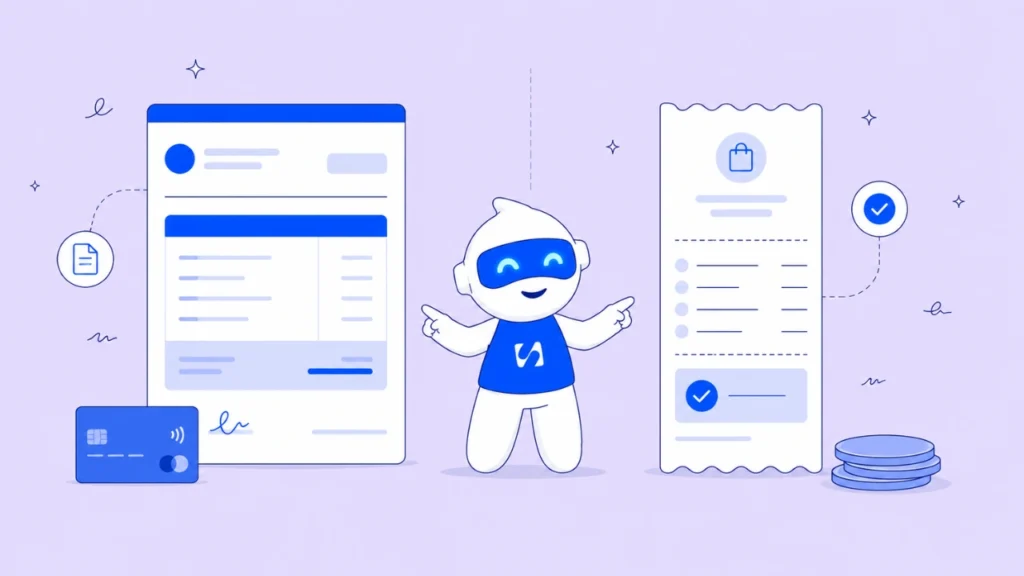
If you have ever sent a customer the wrong document and gotten a confused reply, you already know why invoice vs receipt confusion is a real problem. One…
- What Is the Difference Between an Invoice and a Receipt?
- What Is an Invoice and When Should You Send One?
- What Is a Receipt and Why Does It Matter?
- Invoice vs Receipt: What Are the Key Differences?
- Why Do Small Businesses Need Both Invoices and Receipts?
If you have ever sent a customer the wrong document and gotten a confused reply, you already know why invoice vs receipt confusion is a real problem. One document asks for money. The other proves money was paid. Mixing them up creates awkward conversations, messy books, and tax season headaches.
By the end of this article, you will know exactly which document to send and when. You will also understand how each one protects your cash flow and keeps your records clean if a client ever disputes a charge.
What Is the Difference Between an Invoice and a Receipt?
An invoice is sent before payment. A receipt is issued after payment. That is the core of invoice vs receipt, and everything else builds on it.
- An invoice requests money owed for goods or services.
- A receipt confirms money has already been received.
- An invoice creates a paper trail of what a customer owes.
- A receipt creates a paper trail of what a customer already paid.
Think of it this way: the invoice opens the transaction, and the receipt closes it. If you only remember one thing about invoice vs receipt, remember that timing decides which document you need.
What Is an Invoice and When Should You Send One?
An invoice is a formal request for payment. You send it after delivering a product or completing a service, before the client pays you.
A solid invoice usually includes:
- A unique invoice number for tracking
- The seller and buyer’s contact details
- An itemized list of goods or services with quantity and price
- The total amount due and payment terms (like net 15 or net 30)
- Accepted payment methods
For example, a freelance designer finishes a logo project, then sends an invoice for $500 with a due date fourteen days out. The client has not paid yet. The invoice is simply the ask.
Invoices also matter for your books. Until the client pays, that invoice sits in your accounts receivable, meaning it is revenue you are owed but have not collected.
What Is a Receipt and Why Does It Matter?
A receipt is proof that payment happened. You issue it right after a customer pays, whether that is in cash, by card, or through a payment app.
A useful receipt includes:
- The receipt or transaction number
- The date and amount paid
- The payment method used
- A short list of what was purchased
Going back to the designer example, once the client pays that $500 invoice, the designer sends a receipt confirming the payment date and amount. That receipt becomes the client’s proof of purchase if a dispute or refund request ever comes up.
Receipts protect both sides. Customers use them to confirm a charge went through correctly. Business owners use them to log completed income and keep clean records for tax time.
Invoice vs Receipt: What Are the Key Differences?
Here is a side-by-side look at invoice vs receipt so the distinction is easy to scan:
| Factor | Invoice | Receipt |
| Timing | Sent before payment | Sent after payment |
| Purpose | Requests payment | Confirms payment |
| Accounting treatment | Logged as accounts receivable | Logged as income |
| Contains | Amount due, payment terms, due date | Amount paid, payment method, date |
| Legal weight | Can be used to pursue unpaid debt | Serves as proof of purchase |
Some business owners ask whether an invoice and a bill are the same thing. They are close cousins. A bill is usually what the buyer calls the invoice they received. The seller calls it an invoice, the buyer calls it a bill, but it is the same document from opposite sides of the transaction.
Why Do Small Businesses Need Both Invoices and Receipts?
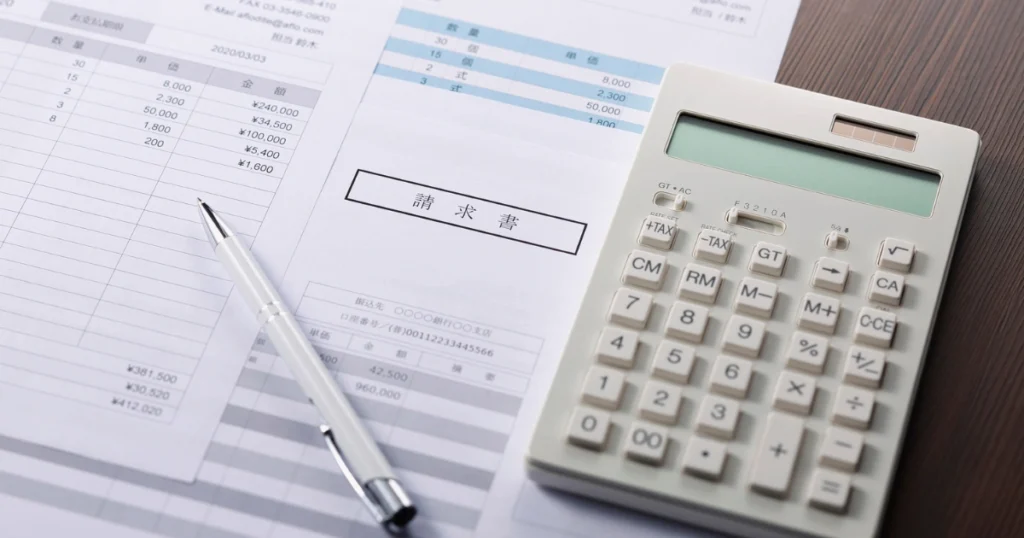
Using invoices and receipts together keeps your finances organized and defensible. Skipping one usually causes a problem later, often at the worst possible time.
Here is where each document earns its keep:
- Tax compliance. Auditors want proof of income and proof of expenses. Receipts back up your revenue. Invoices show your billing history.
- Cash flow tracking. Comparing outstanding invoices against paid receipts tells you instantly what is collected and what is still pending. This matters most once invoices go unpaid past their due date, which is where knowing how to get a client to pay on time becomes essential.
- Dispute resolution.If a customer claims they never received an invoice or never paid, the matching invoice and receipt settle it fast
- Professional image. Clean, consistent documentation signals that your business is organized, which builds trust with clients and vendors alike.
I have seen small business owners lose track of thousands of dollars simply because they never issued invoices consistently, then had no receipt trail to fall back on when a client claimed they had already paid. The fix is not complicated: issue both documents every single time, without exception.
How Do You Manage Invoices and Receipts Without Wasting Time?
Manually tracking invoice vs receipt paperwork in spreadsheets works for a while, then it does not. As client volume grows, missed invoices and lost receipts become expensive mistakes.
This is where the right tools matter more than willpower.startbuddi helps founders spot and launch low-cost business opportunities, with plans that let you get a business running for less than $10, so your budget goes into growing the business rather than testing software.
Once you are generating sales, look for invoicing tools that automatically timestamp invoices, generate receipts on payment, and store both in one searchable place. That single habit eliminates most of the invoice vs receipt confusion business owners run into. And if a client ever goes quiet, you’ll already know how to collect what you are owed.
Frequently Asked Questions
Is an invoice the same as a receipt?
No. An invoice requests payment before it happens, while a receipt confirms payment after it happens. They document different stages of the same transaction.
Run this from one workspace
Clients, projects, money and marketing — connected, not scattered across five apps.
See how it worksCan a receipt be used as proof of purchase without an invoice?
Yes. A receipt alone proves a purchase happened, which is why retail transactions often skip invoices entirely and go straight to a receipt.
What comes first, the invoice or the receipt?
The invoice comes first because it requests payment. The receipt follows once you collect the payment
Do freelancers and small businesses need both documents?
Yes. Invoices establish what the customer owes and protect your right to collect payment. Receipts confirm the transaction closed and support accurate bookkeeping.
Conclusion
Invoice vs receipt comes down to one simple rule: invoices ask for payment, receipts confirm it arrived. Issue both consistently, keep them organized, and you avoid the confusion, disputes, and bookkeeping gaps that trip up so many growing businesses.
startbuddi gives you a practical starting point for building the kind of business that needs this kind of paperwork, with options to get running for less than $10. Explore what fits, get your first client, and build clean invoicing habits from day one.
Put this into practice
Everything in this guide is built into startbuddi — free to start.
Start freeWritten by
Chinonye Umezinne
SEO Copywriter| Email growth Specialist| I help businesses increase revenue with strategic SEO content & high-converting email funnels.
Keep reading
Related playbooks
Stop reading. Start doing.
Free to start. No card needed. Your full workspace is ready in five minutes.