You finished the work. You sent the invoice. Now you are waiting again, wondering whether to follow up or give it one more day. For many freelancers, this…
- Why Do Invoices Go Unpaid in the First Place?
- How to Get Invoices Paid Faster With Clearer Payment Terms?
- How Can You Get Unpaid Invoices Paid Without Damaging the Relationship?
- What Is the Fastest Way to Reduce Invoice Processing Time?
- What Tools for Reducing Invoice Processing Time Through Supplier Automation Actually Work?
You finished the work. You sent the invoice. Now you are waiting again, wondering whether to follow up or give it one more day. For many freelancers, this has become a normal part of every week.
Knowing how to get invoices paid faster does not require aggressive tactics. It requires a better process: clear terms, fast invoicing, and reminders that run automatically.
Here is what is ahead: why clients pay late, practical fixes, a comparison of manual versus automated invoicing, and why most service businesses are still chasing payments manually when they do not have to.
Why Do Invoices Go Unpaid in the First Place?
Most late payments are not about a client refusing to pay. They are about friction.
An invoice lands in a crowded inbox with no reminder attached. Terms were vague, so the client is unsure when money is due. Confusing line items prompted questions nobody followed up on. Or nothing tracked outstanding amounts, so the first reminder went out three weeks too late.
Process problems, not character problems. Every one is fixable.
How to Get Invoices Paid Faster With Clearer Payment Terms?
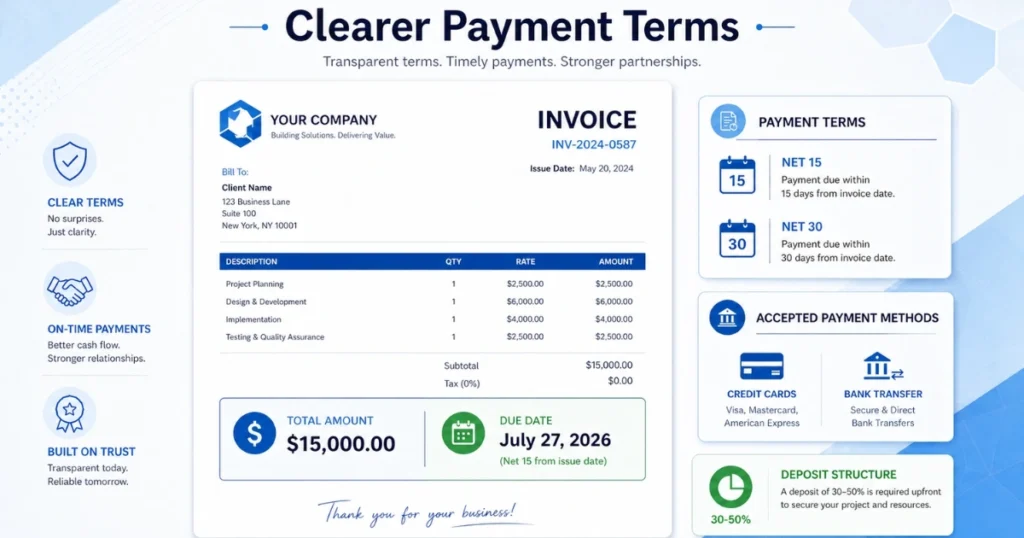
Clear terms remove guesswork, and guesswork delays payment more than anything else.
Every invoice should show the due date near the total amount, not buried at the bottom. Specify whether terms are Net 30, Net 15, or due on receipt, and list every accepted payment method, including online options like card or bank transfer, along with a brief note on late payment fees. For new clients, agree on these terms before work begins and restate them on the invoice.
A deposit structure helps with larger projects. Asking for 30 to 50 percent upfront signals commitment and reduces the amount sitting unpaid at the end.
How Can You Get Unpaid Invoices Paid Without Damaging the Relationship?
This is where most guides offer generic scripts. The real answer is simpler.
If you want to know how to get unpaid invoices paid without damaging the relationship, send a polite reminder before the due date rather than going silent and reacting after it passes. Something brief like “just a reminder that invoice 1256 is due Sunday” prompts action without friction.
If the date passes, escalate gradually: a calm first follow-up, then a firmer email restating the amount, then a final notice before pausing work or applying a late fee. Most clients pay after one or two reminders.
What Is the Fastest Way to Reduce Invoice Processing Time?
The fastest way to reduce invoice processing time is to stop building every invoice from scratch and stop relying on memory for when follow-ups are due.
Use a saved template with your details and standard line items pre-filled. Send the invoice immediately after finishing work, not a few days later. Offering multiple payment options, especially electronic payment, removes another common excuse for delay since clients can pay in seconds instead of mailing a check. Store client contact details so you are not retyping the same information each billing cycle.
According to the 2025 Intuit QuickBooks Small Business Late Payments Report, 56 percent of US small businesses are owed money from unpaid invoices, averaging $17,500 outstanding per business. That gap puts direct pressure on cash flow. The root cause is usually not bad clients. It is a slow, manual process that lets invoices sit too long before follow-up is sent.
What Tools for Reducing Invoice Processing Time Through Supplier Automation Actually Work?
Most guides list five standalone apps and leave you to piece them together. But tools for reducing invoice processing time through supplier automation work best when they are connected inside one system, not scattered across separate platforms.
| Compare | Manual Invoicing | Automated Invoicing |
| Sending reminders | Done when you remember | Sent on a fixed schedule |
| Tracking who owes what | Spreadsheet or notes | One live dashboard |
| Time spent weekly | Several hours of follow-up | Minutes of oversight |
| Client history | Split across email and chat | One clean record |
When you are looking for the best automated invoice processing system for real-time accounts payable insights, what matters most at the small business level is one workspace where invoicing, client records, and reminders are all connected so nothing slips. This is also how you naturally lower your days sales outstanding, the metric that tracks how long unpaid invoices sit on your books before turning into cash.
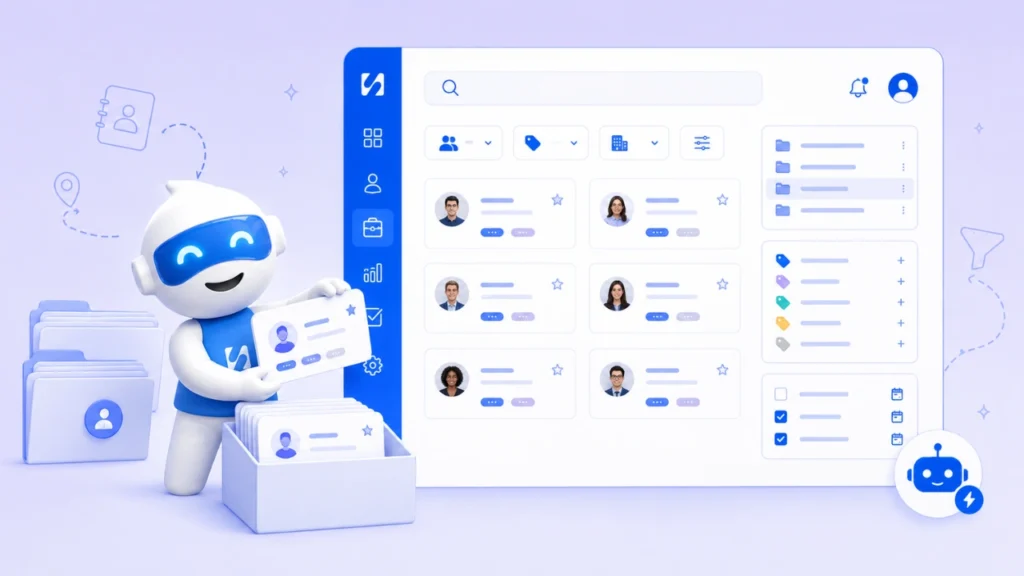
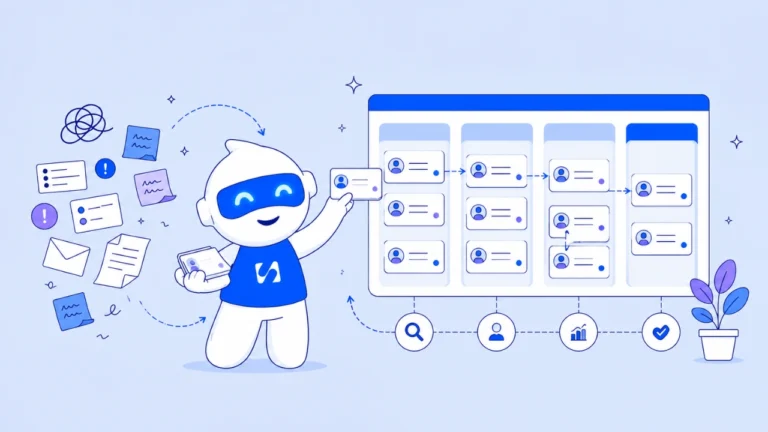
startbuddi was built to close this gap. Instead of sending invoices through chat and manually tracking accounts receivable in a spreadsheet, the platform keeps every client, invoice, and payment status in one connected workspace. Its Chip AI assistant flags pending invoices and prompts follow-up reminders automatically, which is exactly how to get invoices paid faster without adding hours to your week.
What Do Service Businesses That Get Paid on Time Do Differently?
The businesses that consistently get paid fastest are not the ones with the strictest contracts. They are the ones with the most consistent process: same invoicing day, same reminder schedule, same clear terms every time.
The businesses still chasing payments months later almost always share one habit: invoicing is handled manually, case by case, with nothing tracking when a reminder is due. Fixing that habit is usually what changes the pattern.
When invoicing, client records, and reminders live in the same place as they do in startbuddi’s platform, you stop depending on memory to know which client needs a nudge this week. That shift from reactive chasing to a process that runs on its own is the real difference.
Frequently Asked Questions?
How to get invoices paid faster: where does a service business actually start?
Send invoices immediately after finishing work, state a clear due date, and automate reminders before and after that date.
How do you get unpaid invoices paid without making things awkward?
Send a polite reminder a few days before the due date instead of waiting until after it passes. Escalate calmly and gradually.
Run this from one workspace
Clients, projects, money and marketing — connected, not scattered across five apps.
See how it worksWhat is the best way to reduce invoice processing time for a small team?
Send a polite reminder a few days before the due date instead of waiting until after it passes. Escalate calmly and gradually.
Do automated reminders actually make a difference to getting invoices paid?
Yes. They remove the most common failure point: forgetting to follow up, while keeping the tone consistent every time.
Conclusion
Getting paid on time comes down to three things: clear terms, fast invoicing, and reminders that run without you initiating them every week.
When those three things live in one system rather than scattered across apps and spreadsheets, the weekly payment chase largely disappears. That is how to get invoices paid faster in a way that sticks.
startbuddi brings invoicing, client management, and automated follow-up into one connected workspace. You can start free with no card required. If chasing unpaid invoices has become part of your routine, the most useful next step is not a new script. It is a better system.
Put this into practice
Everything in this guide is built into startbuddi — free to start.
Start freeWritten by
Chinonye Umezinne
SEO Copywriter| Email growth Specialist| I help businesses increase revenue with strategic SEO content & high-converting email funnels.
Keep reading
Related playbooks
Stop reading. Start doing.
Free to start. No card needed. Your full workspace is ready in five minutes.