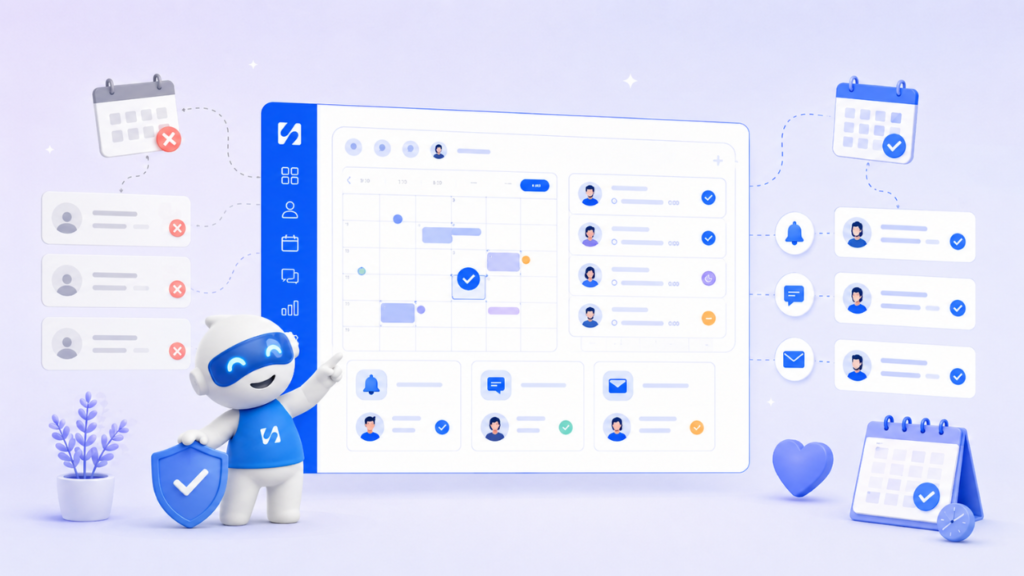
Manual scheduling sneaks up on you. It works fine with five clients. Then fifteen. Then thirty. At some point, it does not just slow down. It works against…
- Why Is Manual Scheduling Silently Sabotaging Your Business Every Single Day?
- What Are the Real Hidden Costs That Manual Scheduling Is Charging Your Business Without a Receipt?
- How Does Manual Scheduling Keep Triggering Double-Bookings No Matter How Careful You Are?
- How Do You Actually Schedule Bill Payments Without Manual Entry: And Why Does It Matter More Than You Think?
- Which Warning Signs Prove Your Manual Scheduling Has Already Hit a Breaking Point?
Manual scheduling sneaks up on you. It works fine with five clients. Then fifteen. Then thirty. At some point, it does not just slow down. It works against you. Missed bookings, overdue invoices, conflicts, and hours swallowed by admin you never signed up for.
In this article, you will learn why manual scheduling creates chaos, what it truly costs, how to schedule bill payments without manual entry, and when to switch. The cost is higher than you think.
Why Is Manual Scheduling Silently Sabotaging Your Business Every Single Day?
Most service professionals do not realize their scheduling system is the problem. They blame themselves: “I just need to be more organized” when the real issue is that manual scheduling was never built to scale.
Every task depends on human memory and human follow-through. A client books via DM. You write it in your calendar, send a confirmation, set a reminder, follow up the day before. You chase the deposit. Five manual steps for one booking, and if any single one breaks down, the whole thing collapses.
Manual scheduling bleeds into payments, client communication, and invoicing. A messy calendar is not disorganization. It is a system built on individual effort instead of automated process.
What Are the Real Hidden Costs That Manual Scheduling Is Charging Your Business Without a Receipt?
The obvious cost is time. The hidden costs are what actually damage your business.
Revenue leakage happens quietly. When clients can only book during your hours or have to chase you to confirm availability, some give up. That revenue never existed.
No-shows pile on. Without automated reminders, clients forget. Without deposits collected at booking, cancellations cost them nothing and cost you everything.
Staff time disappears into admin. Every minute confirming appointments and chasing payments is a minute not spent on billable work. Research shows businesses using automated scheduling recover five to ten hours per week that manual scheduling was quietly consuming.
And errors damage trust. Double-bookings, wrong times, missed follow-ups are not occasional mistakes. They are systematic. Everyone erodes client confidence in ways that are hard to rebuild. Keeping client information accurate and centralized is the first step toward stopping that erosion.
How Does Manual Scheduling Keep Triggering Double-Bookings No Matter How Careful You Are?
Double-bookings happen for one fundamental reason: no single source of truth.
When availability lives across your brain, your phone, a spreadsheet, and a basic calendar, any update to one source does not update the others. A client books on Instagram. You note it but forget to block the slot. Another client emails. The calendar looks free. You confirm. Two clients, one slot.
The system holds one authoritative, real-time record when you automate. A slot taken is blocked instantly for everyone.
How Do You Actually Schedule Bill Payments Without Manual Entry: And Why Does It Matter More Than You Think?
Knowing how to schedule bill payments without manual entry is one of the highest-leverage moves a service business can make, and most owners do not know it is even possible.
The default approach: finish a session, raise an invoice manually, send it, wait, chase it on day seven, remind on day fourteen, follow up on day twenty-one. Every touchpoint depends on you remembering.
Automated payment scheduling flips this. When a booking is confirmed, the system collects a deposit at checkout, when a session ends, an invoice fires automatically. When a payment goes overdue, reminders send on a pre-set schedule.
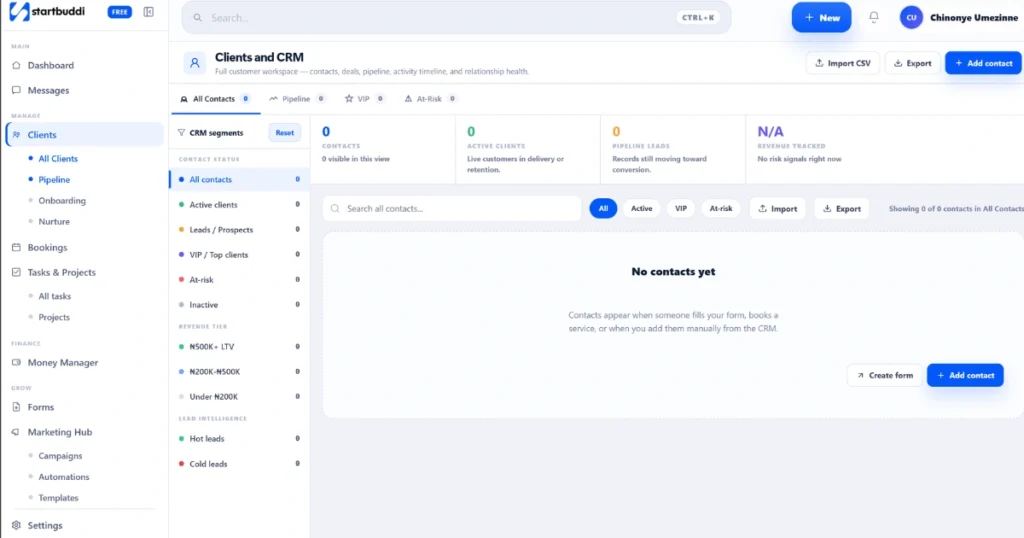
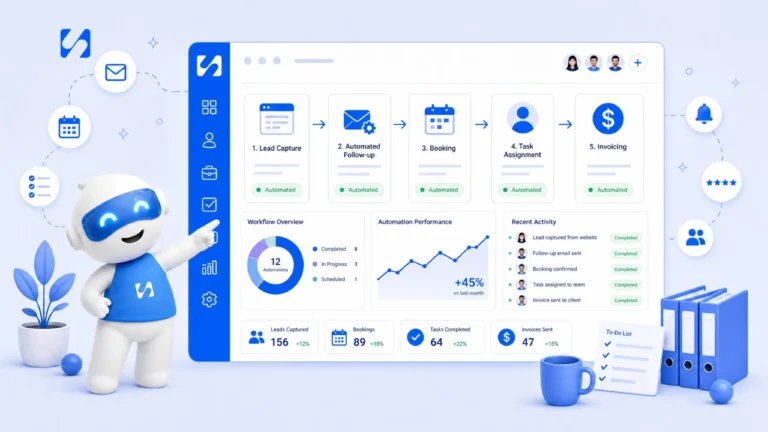
Tools like startbuddi are built for exactly this. It connects bookings directly to invoicing and payments in one workspace. When a client books, the deposit is collected, the CRM updates, and Chip AI monitors outstanding balances and sends reminders on your behalf. No manual entry. Revenue lands before you show up.
Which Warning Signs Prove Your Manual Scheduling Has Already Hit a Breaking Point?
If you are unsure whether manual scheduling is holding you back, these signs confirm it.
You spend more than an hour daily on scheduling admin: confirming, rescheduling, chasing, updating records. One hour daily is 260 hours a year lost to a problem a system solves automatically.
You have had at least one double-booking in the past month. That is not a fluke. It is a signal your system has no single source of truth.
You are not consistently collecting deposits upfront. If payment collection is manual and awkward, it will not happen reliably, meaning more no-shows and more time chasing money already earned.
Your client history lives in multiple places: WhatsApp, email, a spreadsheet, your memory. If you reconstruct context before every client call, your scheduling system is failing your relationships. There is a better way to keep track of client information that does not depend on memory.
What Does Your Business Look Like the Moment You Finally Replace Manual Scheduling?
The shift away from manual scheduling is immediate. The first week an automated booking system is live, you stop thinking about confirmations. The first month, no-shows drop because reminders fire without you. By month three, your calendar and revenue are visible in one place with no admin required.
For coaches, consultants, agencies, and freelancers, this is the difference between constantly catching up and getting ahead. When scheduling, payments, and reminders live in one connected system, you stop being the glue holding everything together. If you are still figuring out how to keep track of clients across separate tools, that is the clearest sign a connected system is overdue.
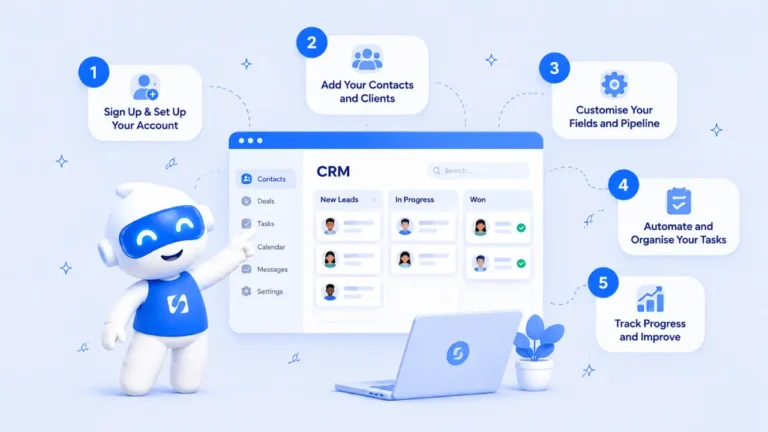
startbuddi replaces Calendly, Stripe, spreadsheets, and WhatsApp follow-ups with one workspace where bookings, CRM, invoicing, and Chip AI work together. Most businesses are live within an hour of signing up.
Frequently Asked Questions
What is manual scheduling?
Manual scheduling is booking, confirming, and managing appointments by hand without automation. It relies on human input across calendars, spreadsheets, and messaging apps, increasing the risk of errors, double-bookings, and missed follow-ups.
Run this from one workspace
Clients, projects, money and marketing — connected, not scattered across five apps.
See how it worksWhy is manual scheduling a problem for small businesses?
It does not scale. As your client load grows, the admin burden grows with it. Small businesses lose hours each week to confirmations, reminders, and payment chasing that automated systems handle instantly.
How do I stop double-bookings when scheduling manually?
Move away from manual scheduling entirely. An automated booking system holds one real-time availability record, so every slot taken is blocked immediately.
What is the best way to replace manual scheduling?
Use an all-in-one tool that connects bookings, payments, and client records. This removes the gaps between separate apps where manual scheduling errors occur most.
Conclusion
Manual scheduling feels manageable right up until it is not. Double-bookings, missed payments, and invisible revenue losses compound slowly, then all at once. The solution is not trying harder. It is replacing the system.
Automated scheduling outperforms manual scheduling. That is not a debate. The only question is how long you will let a broken system cost you before you act.
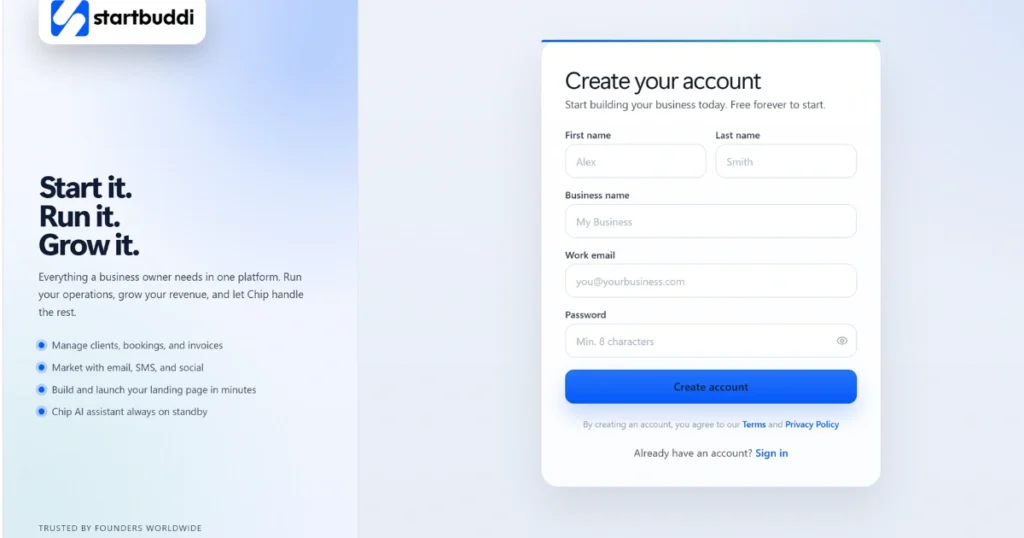
Ready to replace manual scheduling with something that actually works? You can create a free account on startbuddi, choose only the modules you need, and be set up in days. Paid plans start at less than $10 per month
Put this into practice
Everything in this guide is built into startbuddi — free to start.
Start freeWritten by
Chinonye Umezinne
SEO Copywriter| Email growth Specialist| I help businesses increase revenue with strategic SEO content & high-converting email funnels.
Keep reading
Related playbooks
Stop reading. Start doing.
Free to start. No card needed. Your full workspace is ready in five minutes.