You sat down to grow your business. You opened ten tabs, watched a few videos, read three blog posts, and two hours later you still have zero new…
- What Is a Sales Lead and Why Most Founders Get It Wrong
- How to Generate a Lead for Sales Using Inbound Marketing
- Outbound Lead Generation Strategies That Still Work in 2026
- How to Qualify Leads So You Focus on the Right Prospects
- Why Your Lead Generation Is Leaking and How to Fix It
You sat down to grow your business. You opened ten tabs, watched a few videos, read three blog posts, and two hours later you still have zero new leads and a growing headache. Sound familiar?
If you run a coaching practice, a consultancy, or any founder-led operation, you have probably felt that gap between “I know I need leads” and “I actually know how to get them.” That gap is what this guide closes.
Understanding how to generate a lead for sales is not about tricks or hacks. It is about building a simple, repeatable process. This guide will walk you through what a lead really is, which inbound and outbound methods work, how to qualify the right prospects, and how to stop losing leads through broken systems. By the end, you will know exactly where to start.
What Is a Sales Lead and Why Most Founders Get It Wrong
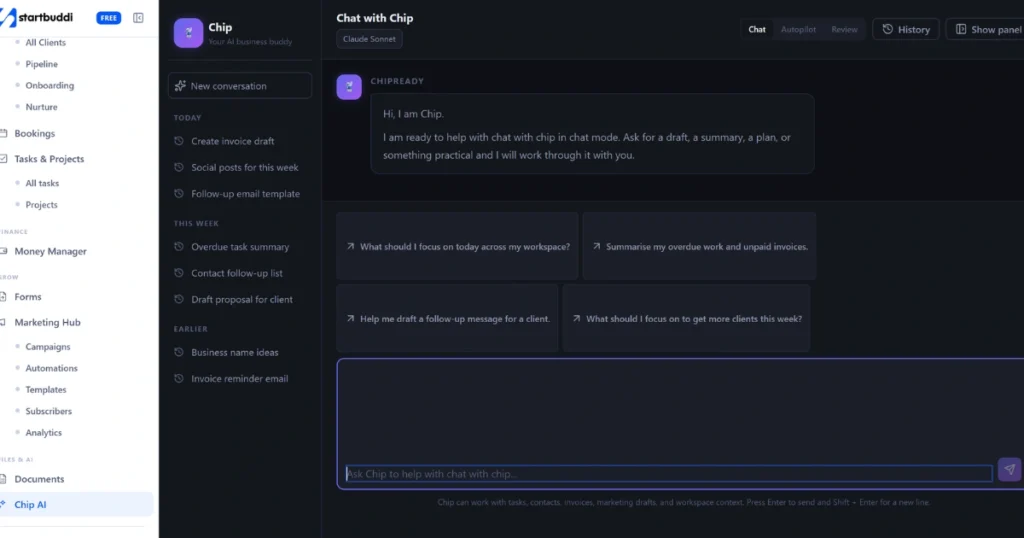
Before you can use any sales lead generation strategies, you need to be clear on what you are actually trying to create.
A sales lead is a person or business who has shown genuine interest in what you offer. That interest could be visiting your website, downloading a resource, or filling in a contact form. The mistake most founders make is treating every contact as a lead. A real lead has a need, the ability to pay, and some awareness of your offer.
According to HubSpot’s State of Marketing Report, companies that define their lead criteria clearly convert at significantly higher rates than those who do not. A clear picture of your ideal client saves enormous time down the line.
Once you know who you are looking for, the next step is reaching them.
How to Generate a Lead for Sales Using Inbound Marketing
Inbound is the strategy of drawing people toward you instead of chasing them, and it is one of the most reliable lead generation techniques for service-based founders.
When someone reads your blog post or LinkedIn content and thinks “this person gets my problem,” they are already halfway to becoming a qualified lead. A lead magnet, a free checklist, short guide, or consultation, works well when it solves a specific problem your ideal client is searching for. Pair it with a landing page optimised for conversions and you have an inbound system generating leads around the clock.
If you want to go deeper on how to turn website visitors into leads this guide the exact steps.
Knowing how to generate a lead for sales through SEO means writing content around the exact questions your clients type into Google. Think about what people ask on discovery calls and write about those topics. That is your content strategy.
Inbound compounds over time. While you are building it, outbound keeps your pipeline moving.
Outbound Lead Generation Strategies That Still Work in 2026
Many founders avoid outbound because it feels pushy. Done well, it is one of the fastest B2B lead generation methods available.
Outbound means you reach out first. The most effective outbound sales techniques for founders are cold email, LinkedIn prospecting, referrals, and strategic partnerships. Cold emailing tips that work in 2026 are simple: be personal, be short, and offer something useful before you pitch. Tools like LinkedIn Sales Navigator help you find the right prospects before you ever send a message.
Referrals remain the most underused strategy. After every project, ask your client if they know anyone who could benefit. A warm introduction converts far better than cold outreach.
Now that leads are coming in from both directions, the question becomes: which ones are worth your time?
How to Qualify Leads So You Focus on the Right Prospects
Not every lead belongs in your sales funnel. Here is a simple framework to filter fast.
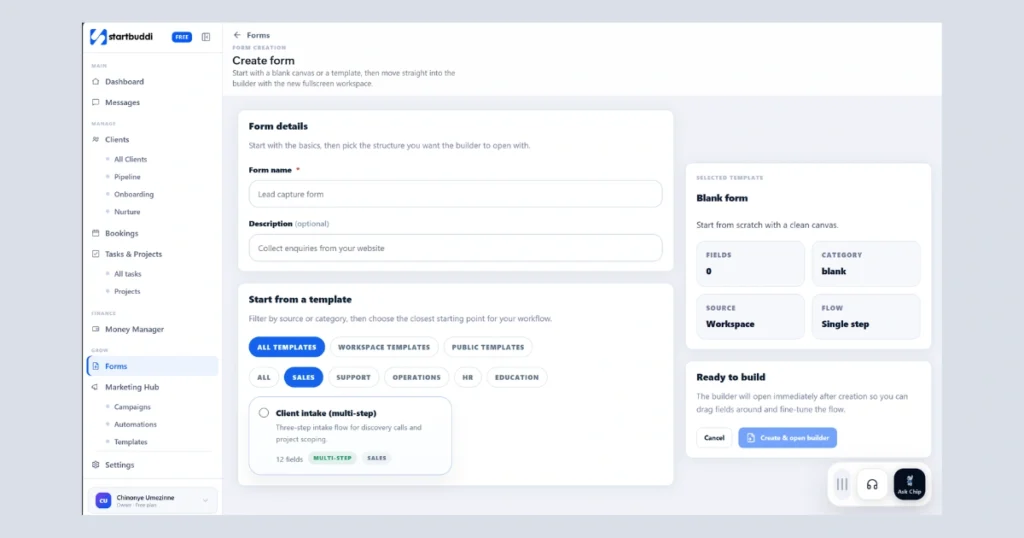
BANT covers Budget, Authority, Need, and Timing. When you understand these four factors, you can quickly decide whether to move forward or move on. Lead scoring goes further by assigning values to actions a prospect takes. CRM tools like HubSpot or Salesforce can automate this so your highest-intent leads surface at the top automatically. If you want this set up without the technical headache, startbuddi builds your CRM and lead scoring into one ready-to-use system from day one.
The problem is that most tools do not talk to each other. Website, booking link, CRM, and payment processor are all separate. So even when you generate a qualified lead, they fall through the cracks and startbuddi does it all in one dashboard.
Why Your Lead Generation Is Leaking and How to Fix It
You might already be generating leads without realising it because your follow-up system is broken.
Most founders lose leads not because their marketing is weak but because their systems are disconnected. A lead fills in a form. Nobody follows up for three days. They book a call but there is no reminder. The proposal goes out but there is no way to pay online. When payments are not properly set up, trust breaks down and sales stall before they even start. Every broken step is a lost sale.
When your systems work as one, knowing how to generate a lead for sales becomes less about juggling platforms and more about showing up and doing what you are good at.
How to Nurture Leads Until They Are Ready to Buy
Generating a lead is only the beginning. Lead nurturing is what turns interest into income.
Not every prospect is ready to buy today. Some need weeks or months before they decide. If you disappear after first contact, you lose that sale to whoever stays in front of them. Automated email sequences and helpful follow-up content keep you top of mind without manual effort. When your prospect is finally ready, you are the first person they think of.
A Simple Daily Routine for Consistent Sales Lead Generation
Understanding how to generate a lead for sales is one thing. Doing it consistently is what builds a real pipeline.
You do not need six hours a day. A focused 30 to 60 minutes on the right activities is enough. One piece of inbound content, one or two outbound messages, and a CRM check to follow up with warm prospects. Whether you run a service business or are figuring out how to set up your store online, this daily habit applies. Over weeks and months it compounds into a steady, predictable flow of how to find leads for sales without the hustle.
Run this from one workspace
Clients, projects, money and marketing — connected, not scattered across five apps.
See how it worksFrequently Asked Questions
Q1: What is the fastest way to generate a lead for sales as a new founder? Combine outbound outreach with a simple lead magnet. Reach out to five to ten qualified prospects daily while your website captures contact details automatically. This two-channel approach builds your pipeline immediately.
Q2: What is the difference between a lead and a qualified lead? A lead has shown interest. A qualified lead has both the need and the ability to act. Using a framework like BANT helps you focus your energy on prospects most likely to convert.
Q3: Do I need a CRM for sales lead generation? You do not need one to start, but you will need one to scale. A CRM tracks every prospect, automates follow-ups, and prevents leads from falling through the cracks. Startbuddi includes a built-in CRM as part of a complete business system.
Q4: How many touchpoints does it take before a lead becomes a client? Most prospects need between five and twelve touchpoints before making a buying decision. Consistent email sequences, follow-up content, and personal check-ins are what move a warm lead to a paying client.
Conclusion
Lead generation does not have to feel like a second full-time job. With the right strategies and connected systems, it becomes a natural part of how you run your business.
If you are tired of piecing tools together and want your website, CRM, bookings, payments, and automations all working as one, startbuddi is built for exactly that. You can create a free account, choose only the modules you need, and get started quickly without any technical setup. Paid plans start at less than $10, making it one of the most practical decisions you can make for your business right now.
Put this into practice
Everything in this guide is built into startbuddi — free to start.
Start freeWritten by
Chinonye Umezinne
SEO Copywriter| Email growth Specialist| I help businesses increase revenue with strategic SEO content & high-converting email funnels.
Keep reading
Related playbooks
Stop reading. Start doing.
Free to start. No card needed. Your full workspace is ready in five minutes.