Knowing how to follow up with leads is one of the most important skills in running a small business. It sits right in the middle of your entire…
- Why Your Follow-Up Is Hurting Your Lead Conversion Rate
- How to Follow Up With Leads Using a Step by Step Sequence
- How to Nurture Cold Leads Back Into Your Sales Pipeline
- The Tools Businesses Use and Why It Gets Complicated
- Frequently Asked Questions
Knowing how to follow up with leads is one of the most important skills in running a small business. It sits right in the middle of your entire sales pipeline. Done well, it builds trust and moves people toward a decision. Done poorly, it pushes them away.
The good news is that following up does not have to feel awkward or pushy. When you understand the customer journey and use the right touchpoints at the right time, follow-up becomes a natural part of the relationship, not a chasing game.
This guide will walk you through practical follow-up strategies that actually work, how to use an automated lead follow up system, and how to keep leads warm without being annoying.
Why Your Follow-Up Is Hurting Your Lead Conversion Rate
The most common mistake is treating every lead the same. Someone who downloaded a free resource is not at the same stage as someone who asked for your pricing. Sending the same message to both destroys your response rate.
Bad follow up timing is the second problem. Too fast feels aggressive. Too slow and they have already moved on. GrowthList report, about 80 percent of sales are not made until after at least five follow-up efforts, yet many salespeople stop trying after just one attempt. According to Invesp, 44 percent of salespeople give up after a single follow-up. The gap is not always about willingness. It is often about having no system to keep things moving.
Understanding where a lead sits in the customer journey changes how you approach each message. What do they need right now to feel confident enough to say yes? That question should guide every follow-up you send.
How to Follow Up With Leads Using a Step by Step Sequence
- Build your sequence around the sales funnel. Not every lead is ready to buy. Segment before you send. A new enquiry needs a warm welcome. A lead who asked about pricing needs clarity and reassurance.
- Use the right timing to improve response rate. Day 1: warm confirmation. Day 3: a useful resource or case study. Day 7: a light check-in. Day 12: a soft offer or call invitation. Each message should add value, not just ask for a sale. A well structured follow up sequence makes this easy to repeat for every new lead.
- Personalise every touchpoint to build trust. Use their name and reference what they asked about. Personalised cold emails have a 32 percent higher response rate compared to generic ones, according to Salesloft research reported by SPOTIO. Speaking to someone’s specific situation is one of the clearest trust building signals you can send.
- Spot buying signals and act on them. Replies, repeated site visits and specific questions are all signs a lead is getting closer to a decision. When you see these, reach out with a clear next step. That is good timing, not pressure.
- Handle objections without pressure. A lead saying they are not ready is not a no. Acknowledge it, ask what is holding them back and offer something low risk like a short call or a clear answer. This keeps the door open inside the customer journey without making anyone feel cornered.
How to Nurture Cold Leads Back Into Your Sales Pipeline
Cold leads are not lost leads. They are people who were not ready when you first reached out. Re-engage them with something useful rather than another check-in. A relevant tip, a short case study or a small update about your service can restart a conversation without any pressure.
Keep cold leads inside a longer lead nurturing strategy. Stay visible and add value consistently. Some leads take weeks and others take months. The businesses that stay present without being intrusive are the ones that eventually win that sale. If you want to pair this with a stronger booking process, understanding how to get more bookings online helps you convert warm leads faster once they are ready.
The Tools Businesses Use and Why It Gets Complicated
Most businesses piece together a CRM, an email platform, a form builder, a booking tool and a reminder system. Each works alone but together they cause problems. Lead data gets scattered, follow-ups get missed and you spend more time managing tools than nurturing leads.
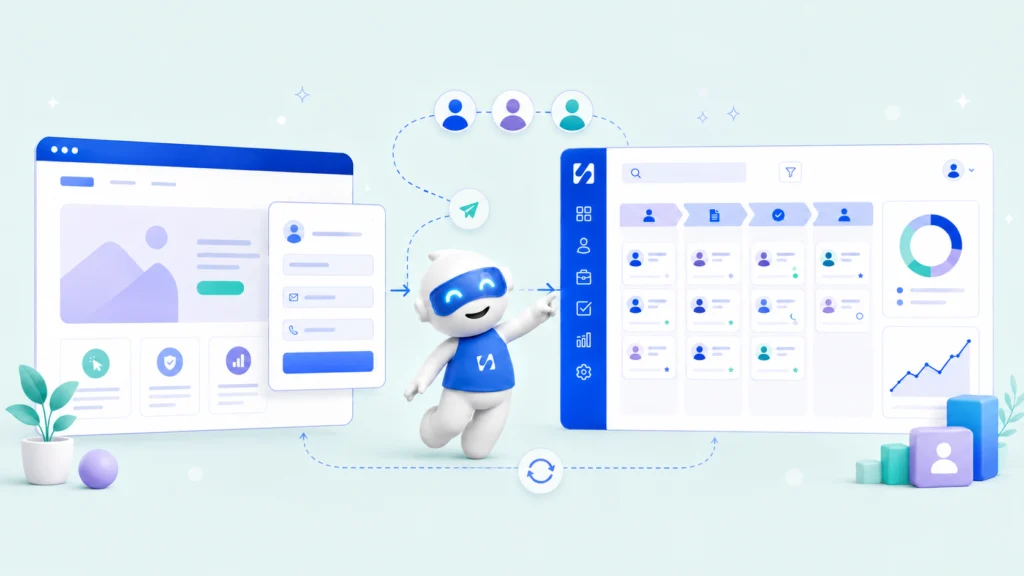
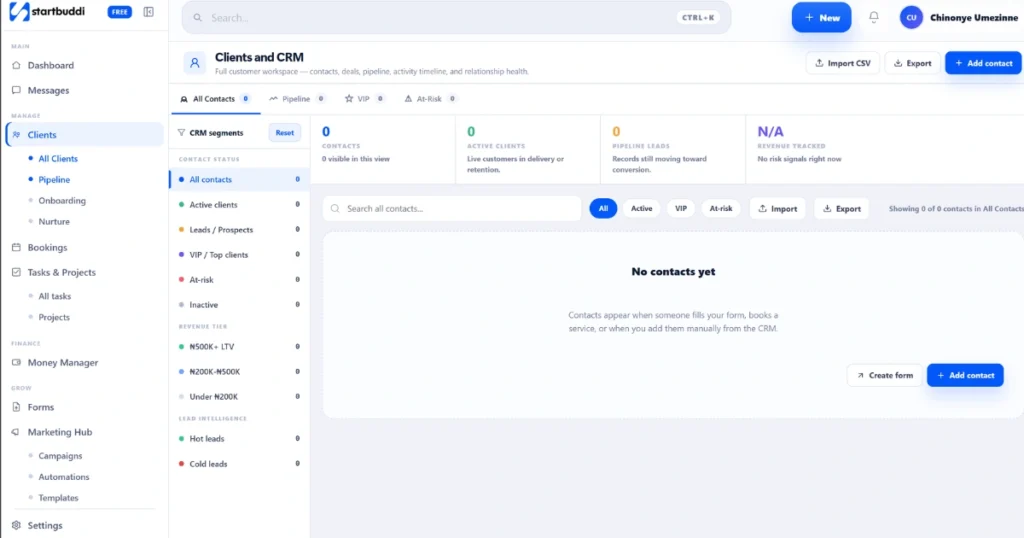
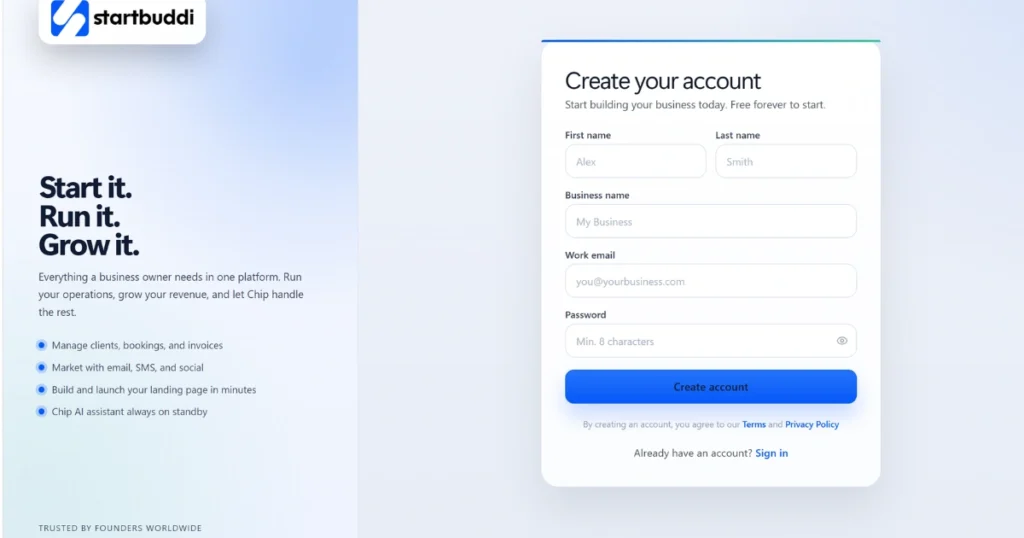
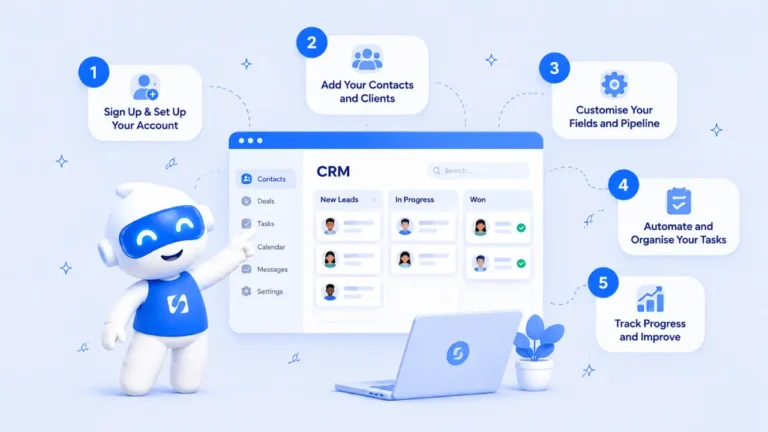
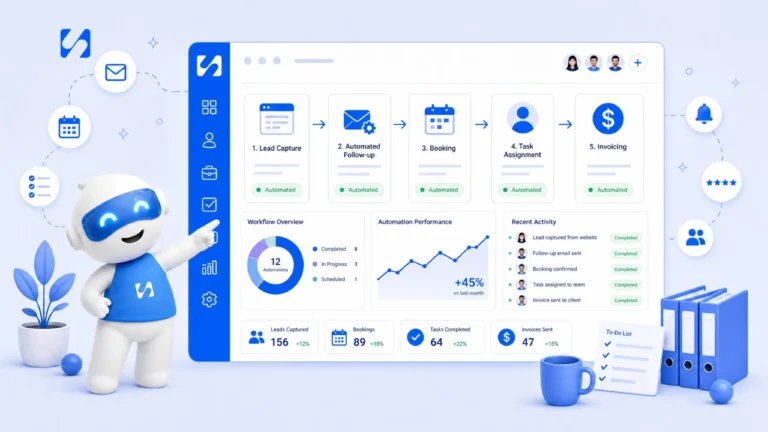
When everything lives in one place, leads flow through your sales pipeline automatically. Instead of paying for separate tools, startbuddi combines forms, CRM, bookings, sequences and notifications into one system. A lead fills your form, their contact is saved to your CRM, a confirmation email goes out, a booking is scheduled and a reminder is sent, all without touching anything manually.
For connecting your email sequences to your sales process, this guide on CRM for email marketing is worth reading. If budget is a concern, how to create a budget for your tools helps you decide what to invest in first.
Frequently Asked Questions
How to follow up with leads without annoying them?
Add value in every message instead of just asking for a sale. Space your messages using a sequence that moves from helpful to direct over one to two weeks. Give leads an easy way to opt out and always respect their pace.
How to integrate email campaigns with sales follow-ups?
Connect your email platform to your CRM so every lead enters a sequence automatically based on their behaviour. Platforms that combine email, CRM and automations in one place remove the manual work entirely.
How to nurture cold leads?
Reach out with something useful rather than a check-in. A case study, a relevant tip or a short update can restart the conversation. Do not reference the silence. Just show up with value and a clear next step
How to follow up with leads who have gone quiet?
Send one honest low pressure message that leaves the door open. After that, move them into a longer nurture sequence rather than continuing to reach out directly. Some leads take time and a patient system wins more of them.
Conclusion
Run this from one workspace
Clients, projects, money and marketing — connected, not scattered across five apps.
See how it worksKnowing how to follow up with leads is not about chasing people. It is about showing up consistently, adding value at each touchpoint and giving leads the time and information they need to make a decision.
When your automated lead follow up system is built around the right timing, personalisation and clear lead nurturing strategies, your response rate improves, trust builds faster and more leads convert without you having to push.
Book a free consultation to get a clear plan built around your specific business. A short conversation can save months of guesswork.
Platforms like startbuddi let businesses run a full follow-up system including forms, CRM, bookings and communication for less than ten dollars per month. You can create a free account, choose the modules you need and get started quickly. The businesses converting the most leads are not the ones spending the most. They are the ones with the simplest and most consistent systems in place.
Put this into practice
Everything in this guide is built into startbuddi — free to start.
Start freeWritten by
Chinonye Umezinne
SEO Copywriter| Email growth Specialist| I help businesses increase revenue with strategic SEO content & high-converting email funnels.
Keep reading
Related playbooks
Stop reading. Start doing.
Free to start. No card needed. Your full workspace is ready in five minutes.