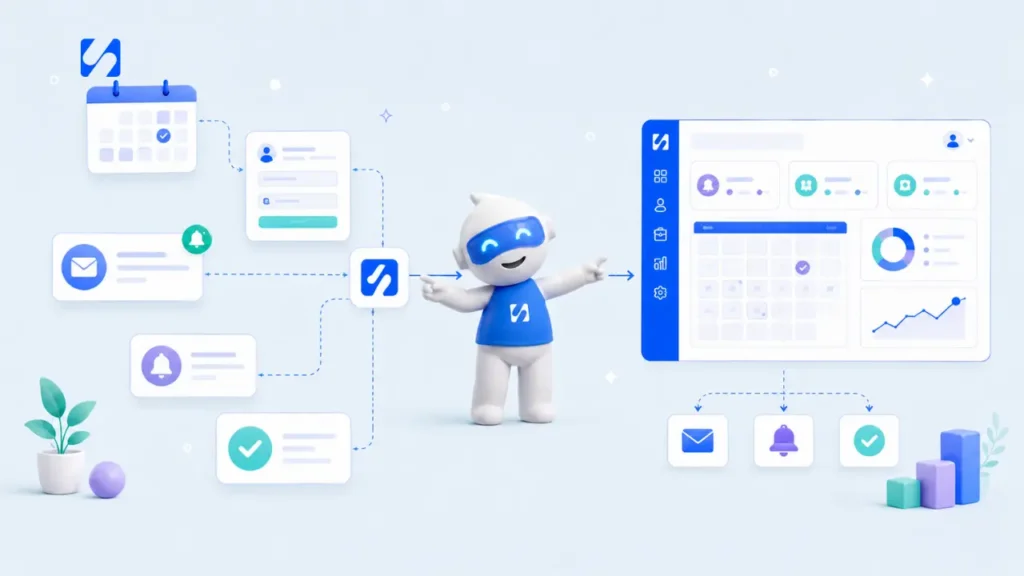
You get a lead. Someone fills out your form, sends you a message, or books a discovery call. You plan to follow up. Then life gets in the…
- Why Leads Go Cold Before They Ever Become Customers
- What a Follow Up Sequence Is and Why It Works
- Step by Step: How to Build a Follow Up Sequence That Convert
- The Tools Most Businesses Are Using to Piece This Together
- The Real Cost of Disconnected Tools on Your Lead Follow-Up
You get a lead. Someone fills out your form, sends you a message, or books a discovery call. You plan to follow up. Then life gets in the way. Another client needs attention. Another task pops up. Three days later that lead has gone cold and moved on to someone else.
This is one of the most common and costly problems small business owners face. A well-built follow up sequence can be the difference between a steady stream of paying clients and a pipeline full of missed opportunities. The good news is that with the right system, you can automate the entire process so no lead is ever forgotten.
This guide will walk you through how to build a follow up sequence that keeps leads warm, moves them through your sales pipeline, and converts interest into real revenue without you chasing every single person manually.
Why Leads Go Cold Before They Ever Become Customers
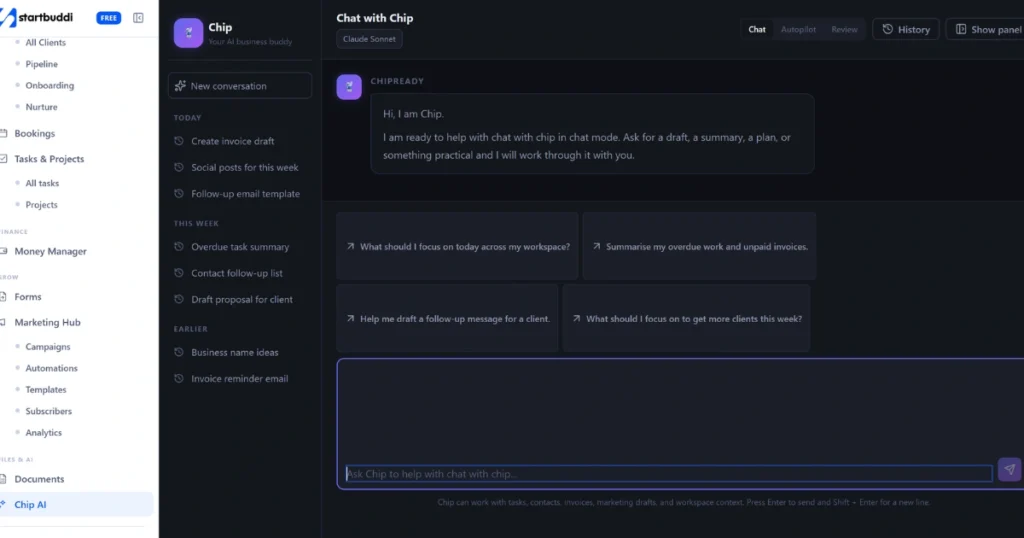
The problem is rarely your service or your price. Most of the time it is your follow-up process, or the lack of one.
When someone reaches out, they are inside a window of interest. That window does not stay open forever. If you are slow to respond or inconsistent with your outreach, they find someone who is faster and more organized.
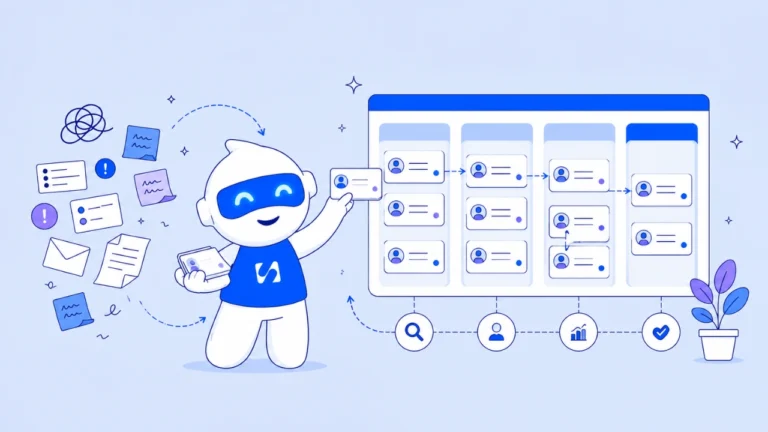
Manual follow-up makes this worse. When you are managing leads across emails, sticky notes, and spreadsheets, there is no consistency. When things get busy, follow-ups get dropped. The result is a leaky sales pipeline where potential customers quietly disappear.
Understanding this problem is the first step. Now let us look at what a real solution looks like.
What a Follow Up Sequence Is and Why It Works
A follow up sequence is a series of planned messages sent to a lead over a set period of time. These messages can be emails, SMS texts, or automated notifications. They are triggered by an action the lead takes, such as filling out a form, requesting a quote, or visiting your booking page.
This is the core idea behind drip marketing. You write the messages once. The system sends them at the right time automatically. Your customer journey is mapped from first contact all the way through to conversion. If you want to understand how customers actually move through that journey before they buy, this breakdown of the customer decision journey is worth a quick read.
The result is consistent, timely communication that builds trust and keeps your business at the top of the lead’s mind without you manually remembering to follow up on every single person.
Now that you understand what it is, here is how to build one that actually works.
Step by Step: How to Build a Follow Up Sequence That Convert
Here are the 5 steps to build a follow up sequence
Step 1: Define Your Lead Entry Point
Every follow up sequence starts with a trigger. This could be a contact form submission, a free consultation request, a downloaded resource, or a social media inquiry. Be clear about where your leads come from so you can set the right automation in place from the start.
Step 2: Map Out Your Customer Journey
Think about what your lead needs to know before they feel confident enough to buy. Map three to five key messages that move them from curious to committed. Each message should answer a question, remove a doubt, or deliver genuine value.
Step 3: Write Your Outreach Automation Messages
Keep each message short and focused. The first message confirms receipt and sets expectations. The second shares a testimonial or a real result. The third addresses a common objection. The fourth creates a gentle push toward booking a call. This structure forms your conversion funnel. If you are also building out an online store, a similar funnel approach applies to turning browsers into buyers at every stage.
Step 4: Set Your Timing
Space messages so you stay present without overwhelming the lead. Day one, day three, day five, and day seven is a practical starting pattern. Give leads time to read, think, and respond between messages.
Step 5: Use CRM Workflows to Automate Everything
This is where your tools matter most. A good CRM should allow you to trigger messages automatically, update lead status, and alert your team when someone is ready to move forward. Learning how to use CRM integration for lead nurturing automation is what separates growing businesses from those stuck doing everything by hand.
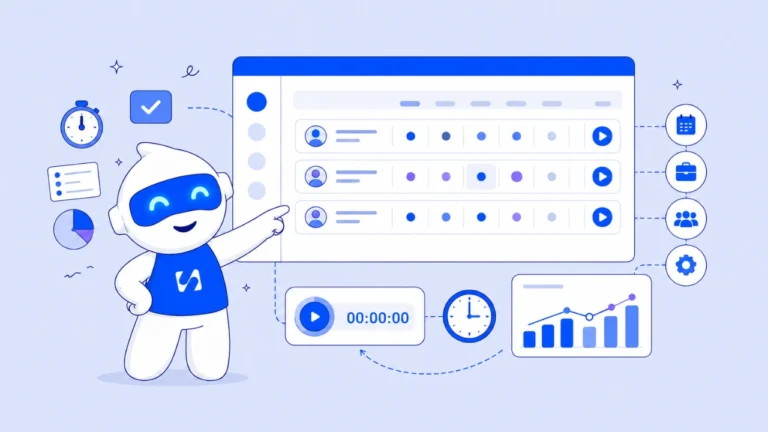
Platforms like startbuddi make this step much simpler. You can connect your contact forms, automate follow-up emails and SMS, and track every lead inside one dashboard without needing five separate tools stitched together.
The Tools Most Businesses Are Using to Piece This Together
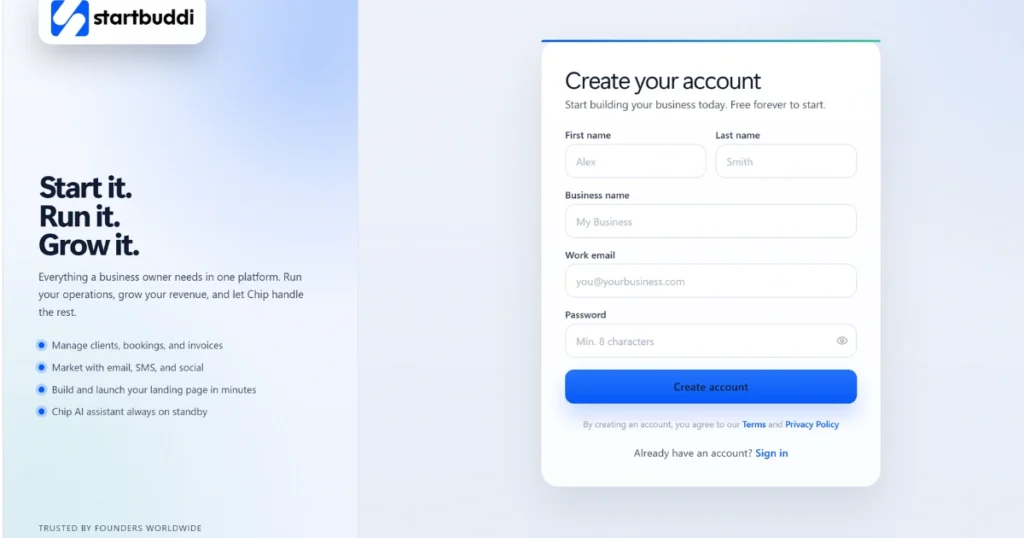
To build even a basic follow-up system, most businesses end up juggling a form builder, an email marketing platform, a CRM, an SMS tool, a booking platform, and a separate automation tool to connect everything else.
Managing all of these separately is expensive and time-consuming. Each platform has its own login, its own pricing, and its own learning curve. Data gets lost between tools. Leads fall into gaps nobody notices. And instead of running your business, you spend your days managing software. Now what you should go for is startbuddi, which combines bookings, CRM, forms, automations, and notifications into one system. Lead nurturing runs on autopilot from day one, and your whole operation stays in one place.
The Real Cost of Disconnected Tools on Your Lead Follow-Up
Understanding how automation in CRM improves lead follow-up times becomes obvious when you see what manual follow-up actually costs you.
According to Salesforce’s State of Sales report, sales reps spend only 28% of their week actually selling. The rest is admin, data entry, and chasing information scattered across platforms.
When your CRM, forms, emails, and booking system are all separate, your team spends time copying data between them. Leads wait longer for a response. Follow-ups get delayed or skipped entirely. And your conversion rate drops quietly without you realizing why. Managing your finances across multiple disconnected tools creates the same kind of chaos, and both problems share the same solution: consolidation.
Frequently Asked Questions
Run this from one workspace
Clients, projects, money and marketing — connected, not scattered across five apps.
See how it worksWhat is a follow up sequence and why does it matter?
A follow up sequence is a series of automated messages sent to a lead after they make contact. It matters because most leads do not convert on the first interaction. A structured sequence builds trust and guides leads through your customer journey without manual effort every day.
How many messages should be in a follow up sequence?
Five to seven messages is a practical starting point. Higher-value services may need more touchpoints over a longer period, while simpler offers may convert faster with three to four well-timed messages.
How does CRM integration help with lead nurturing automation?
CRM integration connects your lead capture tools, communication channels, and contact records into one system. When a lead takes an action, the CRM triggers the right message automatically. This is the core of how to use CRM integration for lead nurturing automation at scale.
Can a small business afford automated follow-up tools?
Yes. Many platforms now bundle CRM, automation, booking, and communication tools together at prices accessible for small teams. You no longer need an enterprise budget to run a professional automated follow-up system.
Conclusion
A well-built follow up sequence is one of the highest-return investments you can make in your business. It works while you focus on delivery, keeps your sales pipeline moving, and gives every lead a professional, consistent experience that builds confidence in your service.
If you are tired of letting good leads go cold or spending hours on manual outreach, it is time to build a system that works for you. Platforms like startbuddi make it easy to get started. You can create a free account, choose only the modules your business needs, and have your automations running within days. Paid plans start at less than ten dollars per month, making it one of the most affordable ways to run a professional business operation end to end.
Put this into practice
Everything in this guide is built into startbuddi — free to start.
Start freeWritten by
Chinonye Umezinne
SEO Copywriter| Email growth Specialist| I help businesses increase revenue with strategic SEO content & high-converting email funnels.
Keep reading
Related playbooks
Stop reading. Start doing.
Free to start. No card needed. Your full workspace is ready in five minutes.