Your website is getting traffic. Almost all of those visitors are leaving without doing a single thing. Turning website visitors into leads means getting people who find your…
- Why Your Website Traffic Is Not Converting Into Leads
- Not Every Visitor Is Ready to Buy: Match Your Offer to Where They Are
- Lead Capture Strategies That Convert Visitors Into Leads Automatically
- What Competitors Get Wrong About Converting Website Visitors Into Leads
- Frequently Asked Questions
Your website is getting traffic. Almost all of those visitors are leaving without doing a single thing.
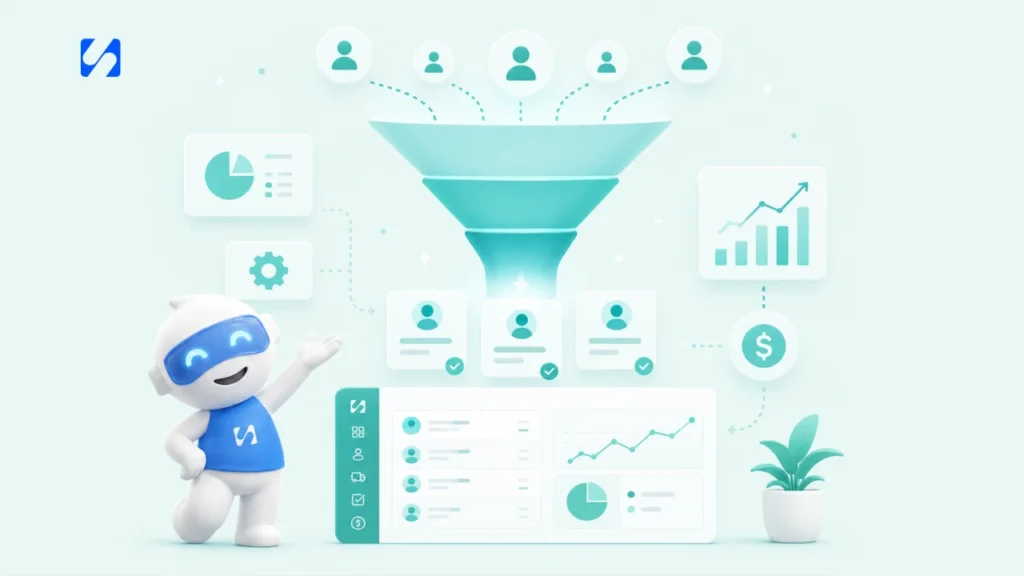
Turning website visitors into leads means getting people who find your site to take an action: fill a form, book a call, or download a resource. Knowing how to generate leads from website visitors is what separates traffic that costs you money from traffic that makes you money.
According to Invesp’s conversion research, the average website converts at just 2.35%. That means 97 out of every 100 visitors leave without doing anything. The gap is not about how many people show up. It is about what happens when they do.
This guide walks you through why visitors leave, how to match your offer to where they are, and the exact system to turn traffic into leads without spending more on ads.
Why Your Website Traffic Is Not Converting Into Leads
Imagine a cleaning business owner who spends three months building her Instagram following and asking clients for referrals. Traffic comes in, around 400 people a month. She checks her inquiry form: two submissions. Maybe three in a good month. She wonders if she needs to post more or run ads or if she shouldn’t. She needs to understand why the 397 people who showed up walked away without saying a word.
The real issue is almost always friction: something on the page that creates confusion, uncertainty, or a missing next step. Poor website engagement and low conversions share the same root cause: friction. It hides in four places: no clear call-to-action, missing trust signals like testimonials or social proof, a mismatch between what visitors expected and what they found, and too many options competing for attention.
A heatmap tool like Hotjar shows where visitors click, scroll, and stop. Google Analytics shows which pages have the highest bounce rate. Together, they show you exactly where your website lead funnel is leaking. Sites that diagnose before redesigning consistently outperform those that guess.
Knowing the problem leads to the next question: who are you actually talking to?
Not Every Visitor Is Ready to Buy: Match Your Offer to Where They Are
A common mistake is sending every visitor the same call to action, “Book Now” or “Get a Quote,” regardless of readiness. This leads to a quiet inquiry form. Visitors arrive with different levels of user intent, and treating them all the same pushes most away.
Think in three stages. Cold visitors have a problem but do not know you exist, so they need education before any pitch. Warm visitors are comparing options and want proof. Hot visitors are ready to act and just need a clear path to reach you. If you are unsure how to tell them apart, here is a simple guide on how to pre-qualify leads before you even build your funnel.
A website informs. A sales funnel converts. The mistake is building a website and expecting it to do the job of a funnel.
For cold visitors, a lead magnet works best: a free checklist, guide, or mini audit in exchange for an email address. This is the most reliable way to convert cold traffic and convert website visitors into leads without a hard sell.
Once you know which visitors you are speaking to, you need the system to capture and follow up with them.
Lead Capture Strategies That Convert Visitors Into Leads Automatically
Step 1: Create one focused lead magnet. Solve one specific problem your ideal client already knows they have. A checklist, audit, or “questions to ask before hiring” guide works well. Specific titles convert better.
Step 2: Build a dedicated landing page. . Not your homepage. One page, one goal: the sign-up. Remove navigation and distractions. One offer, one form, one button.
Step 3: Keep the opt-in form simple. Name and email is enough. Tools like OptinMonster or Mailchimp work well. Every extra field reduces completions.
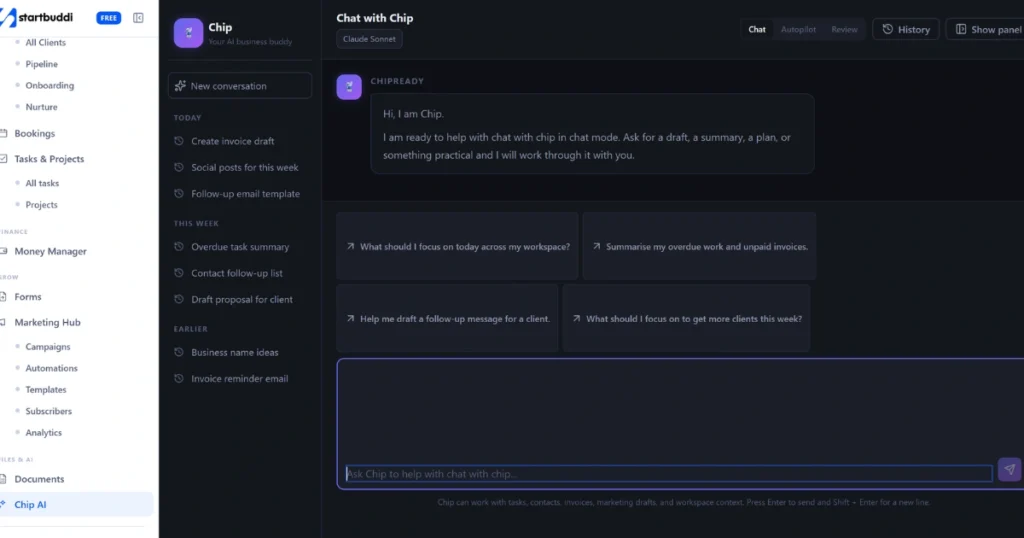
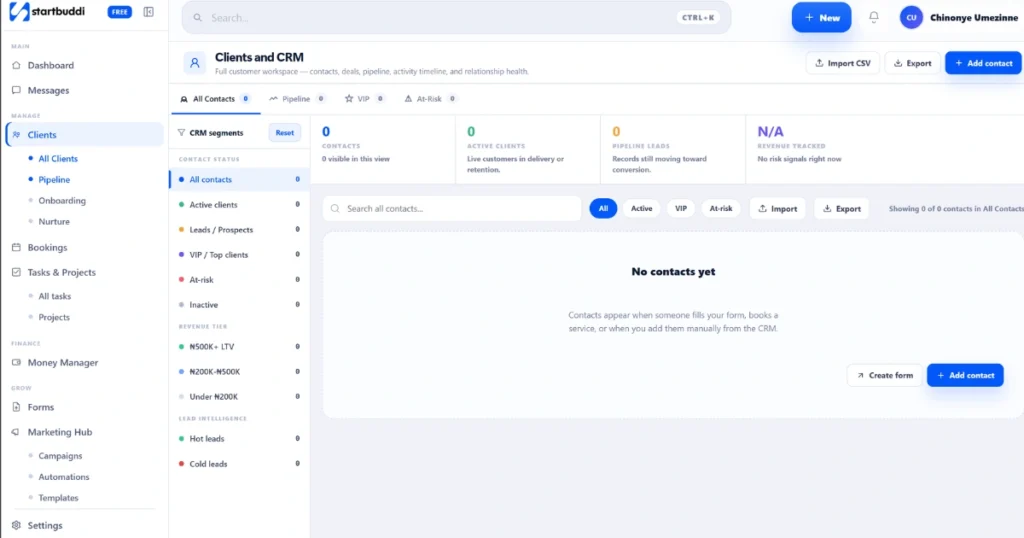
Step 4: Follow up immediately. Deliver the resource on sign-up. Then use email marketing to send three to five follow-up emails over the next few days that teach, not sell. Build trust first, then make your offer. If juggling follow-ups alongside client work feels impossible,startbuddi automates that sequence for you, sending reminders and follow-up messages so no new lead goes cold while you are busy delivering the work.
According to HubSpot’s lead nurturing research, companies that excel at lead nurturing generate 50% more sales-ready leads at 33% lower cost. Most businesses capture the lead and go silent. That silence is where the opportunity dies.
With a system in place, see how other approaches compare, and where they fall short.
What Competitors Get Wrong About Converting Website Visitors Into Leads
| Approach | What It Does Well | Where It Falls Short |
| Generic “Add a CTA” advice | Easy to understand | Skips visitor psychology and intent |
| Paid ads and retargeting ads (Meta, Google) | Fast traffic, re-engages past visitors | Stops the moment the budget stops |
| Cold outreach | Direct reach | Low response rates, high volume needed |
| Content marketing alone | Builds trust over time | No lead capture mechanism built in |
| Intent-matched funnel system | Converts at every visitor stage | Requires upfront setup time |
Most website lead generation strategies out there skip the hard parts. Most website lead generation strategies miss three critical things:
They skip visitor psychology. Every element on your page should reduce uncertainty. Real client names, verified results, and a human face behind the brand convert better than polished design alone.
They ignore mobile phones. Over 63% of web traffic in 2025 came from mobile. A hard-to-tap form or slow-loading page loses leads before they read a word. Once someone does convert, you also need a system on your end that works just as smoothly —startbuddi keeps bookings, customer profiles, and follow-ups in one mobile-friendly dashboard so nothing slips after a lead comes in.
They treat conversion as a one-time project. Conversion rate optimization is an ongoing process. Use A/B testing on your headline, button, and form length to improve website conversions consistently. That is what separates growing businesses from stagnant ones. As your business scales, keeping your financial tools in order matters just as much as your marketing.
Frequently Asked Questions
What does it mean to turn website visitors into leads?
Turning website visitors into leads means getting a visitor to take a clear action: filling a form, booking a call, or downloading a resource that identifies them as a potential customer. It moves someone from anonymous browser to named prospect. Without this step, all your traffic has no real business value.
Run this from one workspace
Clients, projects, money and marketing — connected, not scattered across five apps.
See how it worksHow many visitors do you need before you start getting leads?
You do not need thousands of visitors. You need the right setup. To increase website conversion rate results, start with a focused landing page and a strong lead magnet. Most businesses lose leads because of poor page structure and no follow-up system
What is the best lead magnet for a service business?
The best lead magnet solves one specific problem your ideal client already knows they have. Checklists, short audits, and “what to ask before hiring” guides consistently outperform vague ebooks. A precise title will always outperform a broad one.
How do I find out why visitors are not converting on my site?
Use a heatmap tool to view session recordings, and Google Analytics to find your highest-exit pages. These show real behaviour: where people pause, what they skip, and where they leave. Most problems become visible the moment you look at actual data.
Conclusion
Conversion rate optimization does not have to be complicated. When you match your offer to where visitors are, remove friction, and follow up consistently, turning website visitors into leads becomes predictable. You already paid for that traffic. Now make it work.
If you run a service business, whether a salon, cleaning service, coaching practice, photography studio, or agency, startbuddi is worth trying. You can create a free account, choose only the modules you need, and get started in minutes, with paid plans at less than $10 a month. Bookings, follow-ups, invoices, and marketing all in one place, so no inquiry ever gets lost.
Put this into practice
Everything in this guide is built into startbuddi — free to start.
Start freeWritten by
Chinonye Umezinne
SEO Copywriter| Email growth Specialist| I help businesses increase revenue with strategic SEO content & high-converting email funnels.
Keep reading
Related playbooks
Stop reading. Start doing.
Free to start. No card needed. Your full workspace is ready in five minutes.