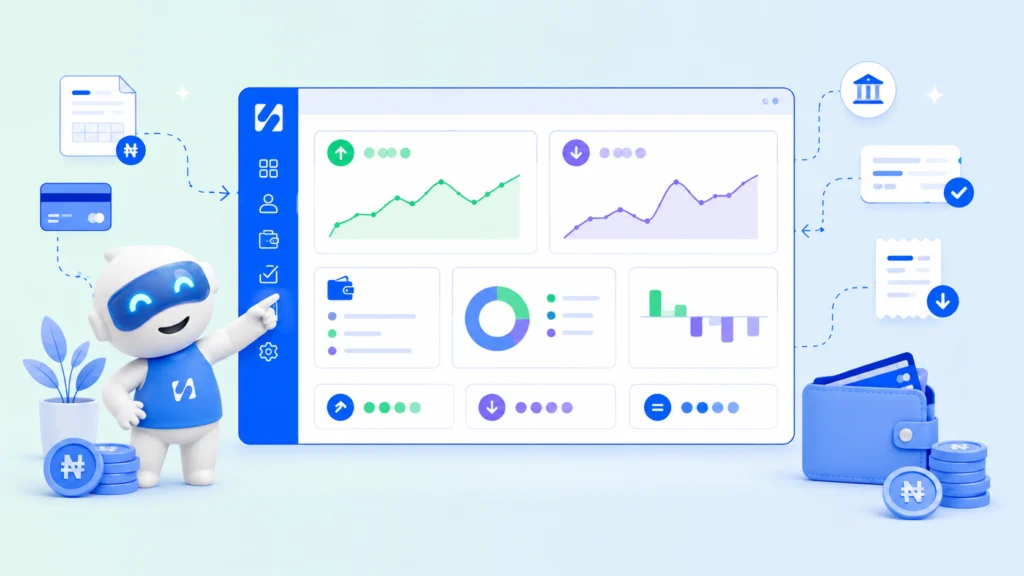
You started your business to serve clients and build something meaningful. But somewhere along the way, money stress crept in. You are not sure what came in last…
- Cash Flow Management Is Not the Same as Profit and Here Is Why It Matters
- How to Start Cash Flow Tracking Step by Step
- The Cash Flow Management Tools Businesses Normally Use and Why It Gets Messy
- How to Manage Cash Flow With One Connected System
- Frequently Asked Questions
You started your business to serve clients and build something meaningful. But somewhere along the way, money stress crept in. You are not sure what came in last month. You are not sure what went out. And you have no clear picture of whether the business is actually working financially.
Cash flow tracking is one of the most important habits a small business owner can build, yet most founders avoid it until things get uncomfortable. The good news is you do not need to hire an accountant to understand your numbers. You just need a simple system.
This guide will walk you through how to track your income and expenses, understand your burn rate and runway, and use the right tools to stay in control without the stress.
Cash Flow Management Is Not the Same as Profit and Here Is Why It Matters
Many founders think they are doing well because money is coming in. But cash flow management is not the same as tracking revenue. Revenue is what you earn. Profit is what remains after expenses. Cash flow is what is actually in your account and available right now.
A business can show profit on paper and still not be able to pay rent next month. According to SCORE, 82% of small businesses fail due to cash flow problems. Understanding your cash inflow and outflow gives you the financial visibility you need to make real decisions before things get tight.
How to Start Cash Flow Tracking Step by Step
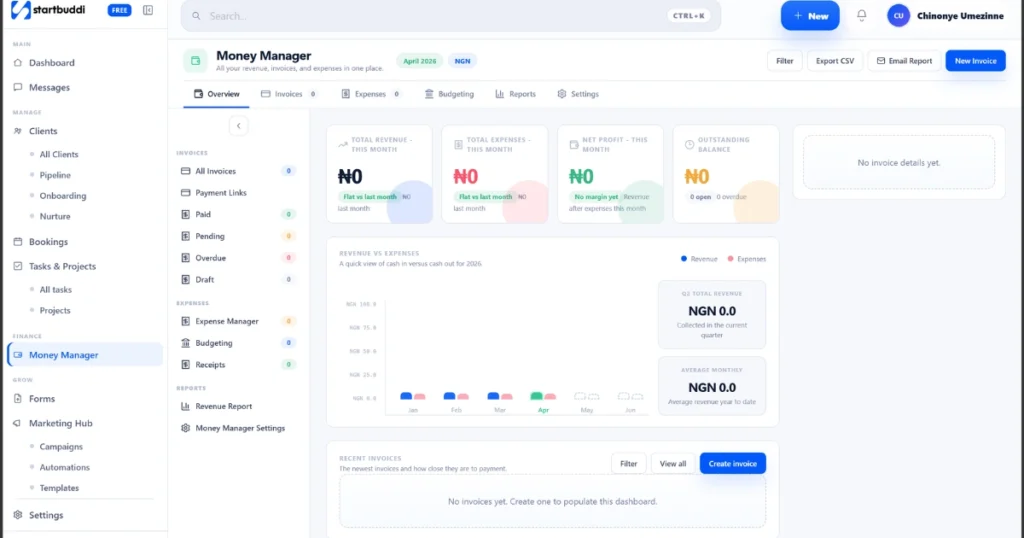
Before jumping into the steps, understand this: the goal is not perfection. The goal is consistency. Even a basic system you use every week beats a complex one you ignore.
Step 1: Separate Business and Personal Money
Open a dedicated business bank account if you have not already. When personal and business spending are mixed together, your numbers will never be clear. Every sale goes into the business account. Every expense comes out of it. This one step removes most of the confusion.
Step 2: Map Your Cash Inflow and Outflow
Write down every source of money coming in. Client payments, product sales, retainers, anything. Then write down everything going out. Software, supplies, contractors, ads, rent. Once you can see both sides clearly, you have a real picture of where your business stands.
Step 3: How to Track Business Expenses and Income in Excel
A spreadsheet is a fine starting point. Create columns for date, description, category, amount in, amount out and running balance. Update it every week without fail. A weekly habit beats a monthly panic every time. That said, spreadsheets do not send alerts, they do not connect to your booking or invoicing system and they break down fast as your business grows.
Step 4: Know Your Burn Rate and Runway
Your burn rate is your average monthly spend. Your runway is how many months you can operate before running out of money. If you spend $1,500 per month and have $7,500 available, your runway is five months. These two numbers should always be visible to you. They shape your financial planning and stop you from making rushed decisions out of fear.
Step 5: Set Up an Invoicing System That Chases Payments
Late payments are one of the biggest cash flow killers for small businesses and freelancers. According to the QuickBooks 2025 Small Business Late Payments Report, 56% of small businesses are currently owed money from unpaid invoices, with an average of $17,500 in outstanding payments sitting in their pipeline. An invoicing system that sends automatic reminders removes the awkward follow-up and keeps money moving in. Every unpaid invoice is a gap in your cash flow that should not be there.
The Cash Flow Management Tools Businesses Normally Use and Why It Gets Messy
When founders try to manage cash flow, they end up with a stack of disconnected tools. A spreadsheet for expenses. QuickBooks or a similar tool for bookkeeping. A separate invoicing platform. A booking system. A CRM for client follow-ups. An email tool for reminders.
QuickBooks is a well-known option for small business accounting. According to QuickBooks’ pricing page, plans start at $25 per month and go up from there. That is fine if accounting is all you need, but most small business owners need far more than that. They also need bookings, client records, forms and automated follow-ups.
The deeper problem is that these tools do not talk to each other. Customer data lives in your CRM. Invoices are in another system. Booking confirmations are somewhere else. You end up entering the same information multiple times, missing follow-ups and spending time managing your tools instead of running your business.
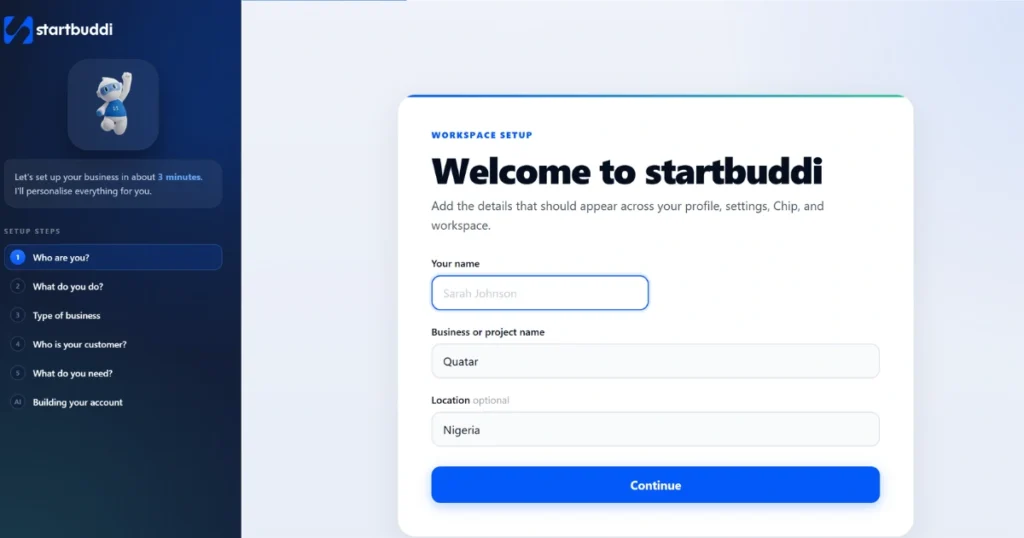
Good cash flow tracking depends on having accurate, real-time information. That only happens when your systems are not scattered across five different platforms. A unified system changes this completely. Bookings, client records, forms, payments and automated communication all connected and working together in one place.
How to Manage Cash Flow With One Connected System
Here is what a clean workflow looks like when everything is in one place:
A client visits your website and fills out a form. Their details go straight into your CRM. A confirmation email is sent automatically. They book an appointment and pay a deposit online through a connected payment system. A reminder goes out before the session via automated notifications. All of this is tracked in one dashboard and you can see exactly what payments are coming and when.
No manual entry. No missed follow-ups. No chasing payments by hand.
Many founders simplify this using platforms like startbuddi, which combines bookings, client management, forms, payments and automations into one system. Instead of paying separately for QuickBooks, a booking tool, a CRM and an invoicing platform, Startbuddi brings all of it together. You get automated reminders, client records, invoicing and bookings without connecting anything manually. That is a very different experience from juggling five tools with five logins and five monthly bills.
Frequently Asked Questions
Run this from one workspace
Clients, projects, money and marketing — connected, not scattered across five apps.
See how it worksWhat is the best way to track your cash flow?
Update your income and expense records every week, keep your business and personal accounts separate and use a connected system that handles invoicing and client management together. Spreadsheets are a solid starting point but become harder to manage as your workload grows.
How do you manage cash flow in a business?
Start by recording all income and expenses. Calculate your burn rate and runway every month. Set up automatic invoicing reminders to reduce late payments. Review your numbers weekly so you are never caught off guard by a shortfall.
Why is cash flow management important?
Because profit on paper does not always mean money in the bank. Cash flow management gives you financial visibility so you can plan ahead, pay your obligations on time and grow with confidence instead of constantly guessing.
How do you track business expenses and income in Excel?
Create columns for date, description, category, amount in, amount out and running balance. Update weekly and use a new tab for each month. This works well early on but as your business scales, a connected platform like startbuddi saves time and reduces costly errors.
Conclusion
Cash flow tracking does not have to be complicated. You do not need an accountant, expensive software or a finance background. You need consistent habits, a clear view of your inflows and outflows and tools that work together.
You can create a free account on startbuddi, choose the modules you need and start right away. Paid plans start at less than $10 per month, which makes it one of the most affordable ways to run bookings, client records, payments and automations in one place.
Put this into practice
Everything in this guide is built into startbuddi — free to start.
Start freeWritten by
Chinonye Umezinne
SEO Copywriter| Email growth Specialist| I help businesses increase revenue with strategic SEO content & high-converting email funnels.
Keep reading
Related playbooks
Stop reading. Start doing.
Free to start. No card needed. Your full workspace is ready in five minutes.