Imagine You spent two hours preparing for a discovery call. You showed up ready. The prospect smiled and said “this looks really promising.” Then nothing. No reply. No…
- What Pre-Qualifying Leads Really Means and Why It Is the First Thing You Need to Fix
- Build Your Lead Qualification Checklist Starting With Your Ideal Customer Profile
- Lead Scoring Techniques That Help You Pre-Qualify Leads Without Wasting a Single Call
- The Best Lead Qualification Questions That Separate Real Buyers From Tyre Kickers
- Why Your Lead Disqualification Rules Matter as Much as Your B2B Lead Qualification Criteria
Imagine You spent two hours preparing for a discovery call. You showed up ready. The prospect smiled and said “this looks really promising.”
Then nothing. No reply. No reason. Just silence.
That conversation was never going to close. They had no budget, no timeline, and no authority to decide. They were just curious. You paid with two hours you will never get back. Now what I am about to tell you filters the wrong people out before they reach your calendar so your time goes only to conversations that can actually close.
According to MarketingSherpa’s B2B Marketing Benchmark Survey, 61% of B2B marketers send all leads directly to sales, yet only 27% of those leads are actually qualified. That means nearly three quarters of your sales team’s time is being spent on people who were never going to buy.
This guide will walk you through how to define who is worth your time, how to score leads using proven frameworks, which questions separate real buyers from tyre kickers, and why saying no early protects your business. By the end, you will have a clear lead qualification process you can start using today.
What Pre-Qualifying Leads Really Means and Why It Is the First Thing You Need to Fix
A lead qualification process is the system you use to decide which prospects deserve your attention and which ones do not.
Most small business owners do not have one. They respond to every inquiry and book every call, only to find most people were never going to pay. That is not hustle. That is expensive guessing. Getting this right is one of the foundational steps any serious startup needs to put in place early.
A clear process gives you one standard for sales lead management. You know the difference between qualified leads and unqualified leads and exactly what to do with each.
It starts with defining your ideal customer first.
Build Your Lead Qualification Checklist Starting With Your Ideal Customer Profile
Think about your best ever customer. The one who paid on time, came back again, and sent referrals. What made them different?
That is your Ideal Customer Profile. It is the foundation your lead qualification process sits on.
For service businesses this includes the service they need, their budget range, how urgently they need help, and whether they are the decision-maker.
Use this as your starting lead qualification checklist:
- Do they need the specific service you offer?
- Is their budget within your pricing range?
- Do they have a real timeline to get started?
- Are they the one making the final decision?
- Have they worked with a service provider like you before?
Four out of five means they belong in your active pipeline. Two or fewer means nurture sequence, not your calendar.
Your profile gives you the filter. Your scoring model turns that into a system your whole team can apply, and that is exactly what comes next.
Lead Scoring Techniques That Help You Pre-Qualify Leads Without Wasting a Single Call
Lead scoring assigns points to signals so your team can prioritize without guessing. The BANT framework, which stands for Budget, Authority, Need, and Timeline, is the foundation most scoring models are built on. Here is a simple version for service businesses:
| Criterion | Signal | Points |
| Service match | Exactly what you offer | +25 |
| Budget fit | Within your pricing range | +20 |
| Decision-maker | Can say yes without approval | +20 |
| Clear timeline | Needs help within 30 days | +25 |
| Referral or repeat | Came through trust | +20 |
| Vague inquiry | No specific need stated | -15 |
| Budget too low | Below your minimum | -20 |
| No timeline | Just looking for now | -15 |
Thresholds: 0–40 = nurture only. 41–70 = worth a short call. 71 and above = priority, respond today.
Once a lead crosses your threshold they become a Marketing Qualified Lead, or MQL. When your team accepts them, they become a Sales Qualified Lead, or SQL. Knowing where each lead sits stops your pipeline becoming a guessing game.
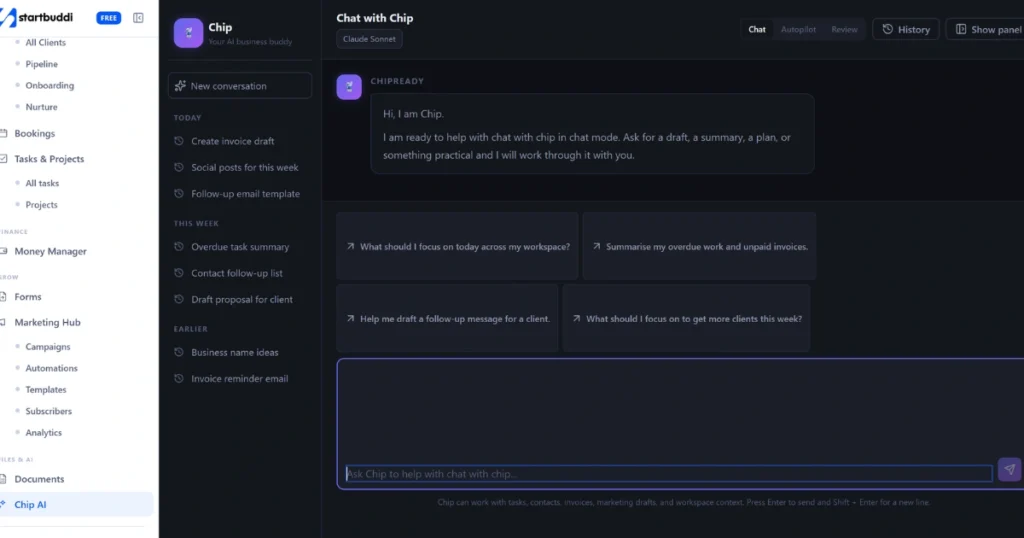
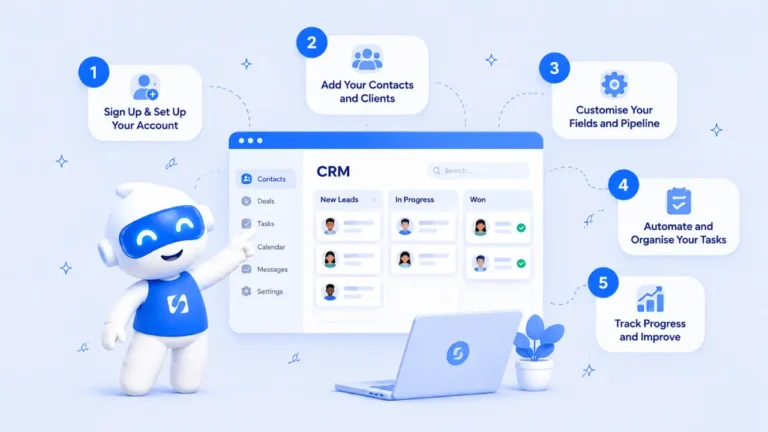
If you want all of this in one place, startbuddi is built exactly for this — it tracks every lead, scores them against your criteria, and sends automatic follow-up reminders so high-priority prospects never go cold.
The Best Lead Qualification Questions That Separate Real Buyers From Tyre Kickers
An inquiry comes in that looks perfect. You schedule the call excited. Ten minutes in, you realize they have no timeline, a budget that does not match, and they are asking three other providers the same questions. They are shopping, not buying.
You could have known this before the call with four simple questions.
Fit: “What specific service are you looking for?” This tells you immediately whether you can help.
Need: “What is the main problem you are trying to solve right now?” This separates urgent buyers from casual browsers.
Authority: “Are you the one making the final decision?” This tells you whether you are talking to the right person.
Urgency: “When are you hoping to get started?” This saves hours of follow-up on leads that were never going to move.
People who are ready will answer without hesitation. People who are not will go vague. That tells you everything you need to know before you invest more time.
Knowing when to walk away makes a lead qualification process complete. That is the step most guides skip entirely.
Why Your Lead Disqualification Rules Matter as Much as Your B2B Lead Qualification Criteria
Most guides focus only on how to say yes. Almost none talk about saying no. That is why so many owners stay stuck chasing people who will never pay.
Disqualification is not failure. It is how you protect your time.
Remove a lead from your active pipeline when you see these signals: no matching budget, no buying authority, no clear timeline in the sales cycle, a request outside your services, or silence after two follow-up attempts. When a lead hits two or more signals, move them to a long-term nurture list.
According to Gartner’s research on B2B buying behavior, most buying decisions involve more than one person. Confirm early you are speaking to the person who actually says yes.
startbuddi handles this side of things as well. Its CRM lets you log exactly who you spoke to, flag whether they are the decision-maker, and set a reminder to follow up with the right person at the right time.
Frequently Asked Questions About Pre-Qualifying Leads
Run this from one workspace
Clients, projects, money and marketing — connected, not scattered across five apps.
See how it worksWhat does it mean to pre-qualify a lead?
Pre-qualifying a lead means checking whether a prospect matches your ideal customer before spending real time on them. You confirm they have a genuine need, decision-making authority, and a realistic timeline. It is the first gate in your lead qualification process and keeps your schedule full of the right conversations.
What are the most effective lead scoring techniques for service businesses?
Combine the BANT framework with behavioral signals like a direct booking request or clear timeline. Assign positive points for ICP matches and negative points for red flags. Pre-qualifying prospects this way improves conversion rates because only serious buyers enter your sales cycle.
How do you pre-qualify leads without sounding pushy?
Frame your questions as part of understanding how to help. Asking about budget, timeline, and authority is respectful of everyone’s time. Customers who are ready will answer easily. Those who cannot are telling you where they really are.
How is pre-qualifying leads changing in 2026?
The shift is from manual chasing to systematic follow-up. Service businesses are moving from scattered notes toward tools that capture every lead and trigger follow-ups automatically. The businesses growing fastest have a cleaner system, not longer hours.
Conclusion
When your lead qualification process is clear, everything changes. Your calendar fills with people ready to pay. Your energy goes toward growth instead of chasing dead ends.
You now have the ideal customer profile, the BANT-based scoring model, MQL and SQL definitions, qualifying questions, and disqualification rules. The system is complete.
If you want to run all of this inside one tool built for service businesses, startbuddi is a practical place to start — you can create a free account, choose only the modules you need, and be up and running quickly, with paid plans starting at less than $10. Bookings, CRM, lead tracking, invoices, and follow-up reminders, all in one clean dashboard.
Put this into practice
Everything in this guide is built into startbuddi — free to start.
Start freeWritten by
Chinonye Umezinne
SEO Copywriter| Email growth Specialist| I help businesses increase revenue with strategic SEO content & high-converting email funnels.
Keep reading
Related playbooks
Stop reading. Start doing.
Free to start. No card needed. Your full workspace is ready in five minutes.